
UK Supermarkets Pressured to Consider Voluntary Caps on Essential Food Prices
Calls for industry-led price controls highlight renewed concern over food inflation, household strain, and the limits of market-driven price stability
The UK food retail system is facing a system-driven affordability challenge as policymakers and consumer advocates urge major supermarkets to consider voluntary price caps on essential goods, reflecting sustained pressure from high food inflation and weakening household purchasing power.
The proposal does not involve formal state-imposed price controls.
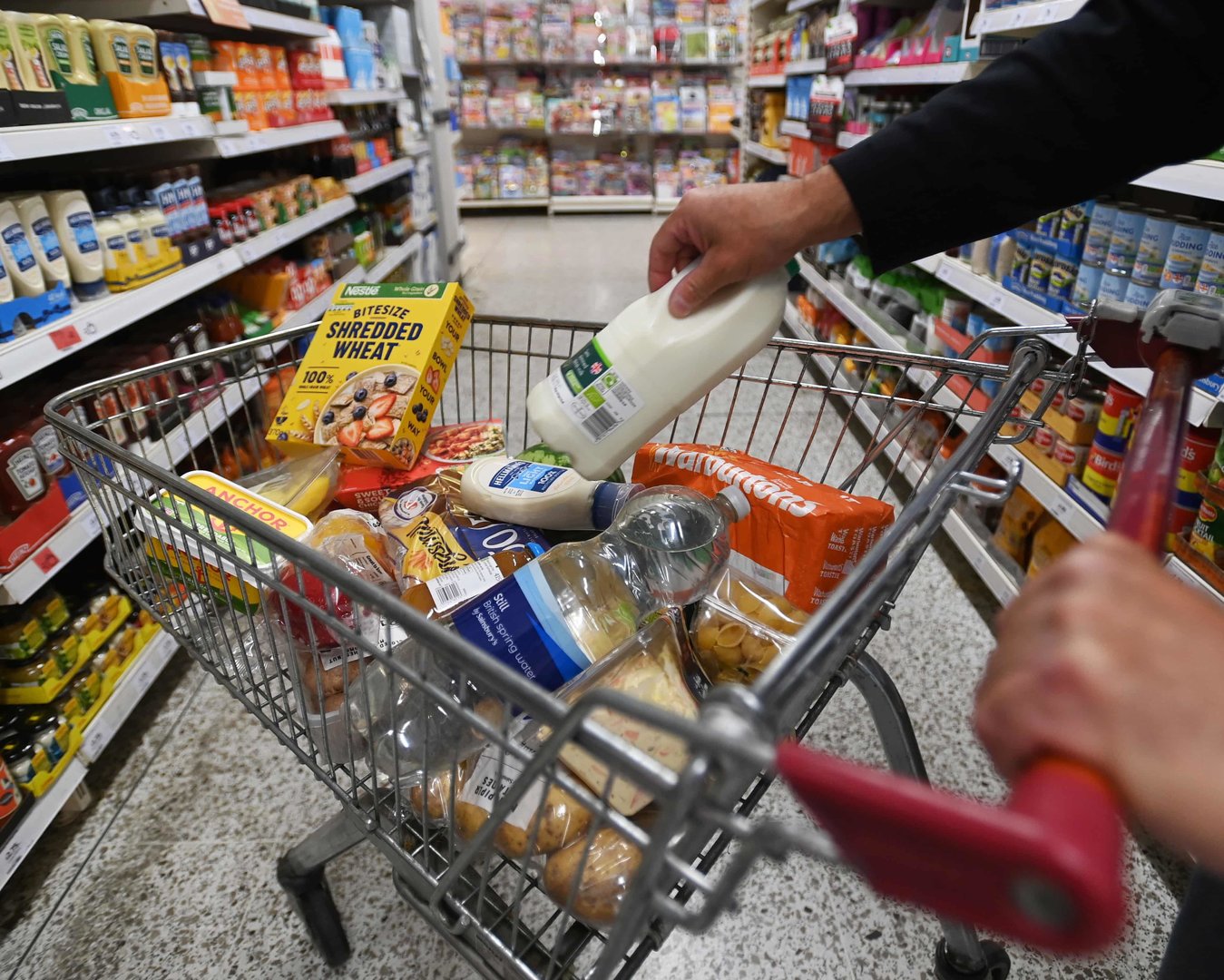
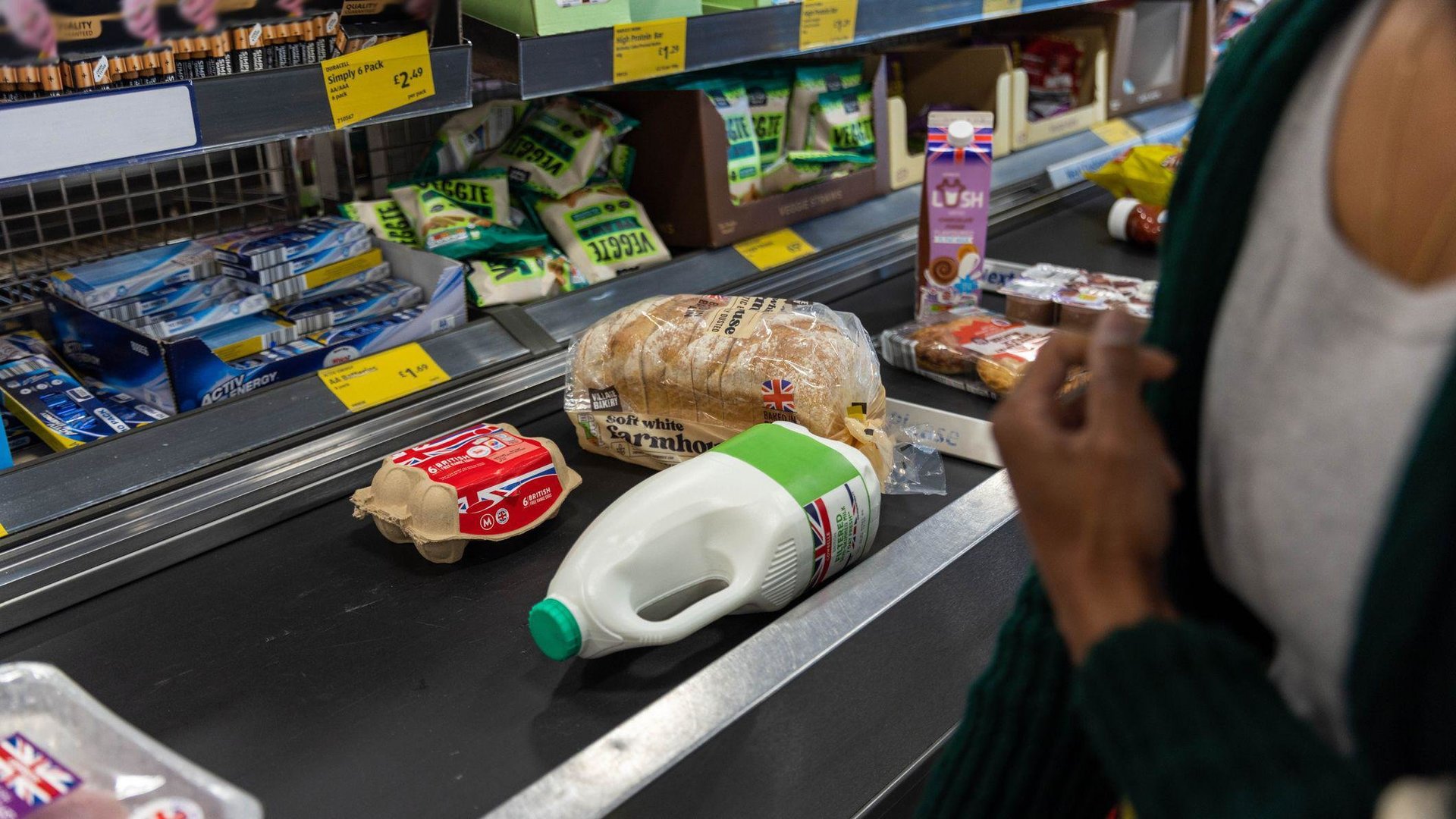
Instead, it relies on voluntary commitments from major supermarket chains to limit price increases on a defined basket of essential products, such as bread, milk, eggs, and staple fresh produce.
The intent is to reduce the visibility and impact of inflation on basic household consumption without direct market intervention.
The push comes in response to a prolonged period of elevated food prices, which has disproportionately affected lower-income households.
Even as overall inflation has moderated from its peak, food inflation has remained sticky in several categories due to higher input costs, including energy, transport, wages, and agricultural production expenses.
These costs continue to feed into retail pricing structures with a lag.
Supermarkets operate in a highly competitive but structurally concentrated market, where a small number of large chains dominate grocery retail.
This structure makes voluntary coordination feasible in principle, but it also raises concerns about distortions to competition if price caps are unevenly applied or if smaller retailers are unable to match them.
The key economic tension lies in how food pricing is transmitted through the supply chain.
Farmers and food producers face rising costs from fertiliser, fuel, and labour, while retailers manage margin pressures and consumer expectations.
Any voluntary cap system would need to absorb or redistribute these costs, potentially shifting pressure upstream to suppliers or compressing retail margins.
For households, even modest reductions or stabilisation in essential food prices could have a material impact on real disposable income, particularly at a time when mortgage payments, rent, and energy bills remain elevated relative to pre-inflation norms.
However, economists warn that sustained price suppression without addressing underlying cost drivers can lead to supply constraints or reduced investment in production.
The broader implication is a growing policy debate over whether food inflation should be treated purely as a market outcome or as a quasi-public welfare issue requiring coordinated intervention.
Voluntary price caps represent a middle ground: politically responsive, but economically dependent on cooperation from profit-driven firms operating under tight margins.
The direction now depends on whether major retailers adopt coordinated measures or resist them in favour of maintaining pricing autonomy within a competitive market environment.
The proposal does not involve formal state-imposed price controls.
Instead, it relies on voluntary commitments from major supermarket chains to limit price increases on a defined basket of essential products, such as bread, milk, eggs, and staple fresh produce.
The intent is to reduce the visibility and impact of inflation on basic household consumption without direct market intervention.
The push comes in response to a prolonged period of elevated food prices, which has disproportionately affected lower-income households.
Even as overall inflation has moderated from its peak, food inflation has remained sticky in several categories due to higher input costs, including energy, transport, wages, and agricultural production expenses.
These costs continue to feed into retail pricing structures with a lag.
Supermarkets operate in a highly competitive but structurally concentrated market, where a small number of large chains dominate grocery retail.
This structure makes voluntary coordination feasible in principle, but it also raises concerns about distortions to competition if price caps are unevenly applied or if smaller retailers are unable to match them.
The key economic tension lies in how food pricing is transmitted through the supply chain.
Farmers and food producers face rising costs from fertiliser, fuel, and labour, while retailers manage margin pressures and consumer expectations.
Any voluntary cap system would need to absorb or redistribute these costs, potentially shifting pressure upstream to suppliers or compressing retail margins.
For households, even modest reductions or stabilisation in essential food prices could have a material impact on real disposable income, particularly at a time when mortgage payments, rent, and energy bills remain elevated relative to pre-inflation norms.
However, economists warn that sustained price suppression without addressing underlying cost drivers can lead to supply constraints or reduced investment in production.
The broader implication is a growing policy debate over whether food inflation should be treated purely as a market outcome or as a quasi-public welfare issue requiring coordinated intervention.
Voluntary price caps represent a middle ground: politically responsive, but economically dependent on cooperation from profit-driven firms operating under tight margins.
The direction now depends on whether major retailers adopt coordinated measures or resist them in favour of maintaining pricing autonomy within a competitive market environment.