United States and United Kingdom Reach Deal on Drug Pricing and Trade in Pharmaceuticals
London agrees to adjust medicine purchasing terms as Washington secures commitments to align U.S. drug costs with global pricing benchmarks
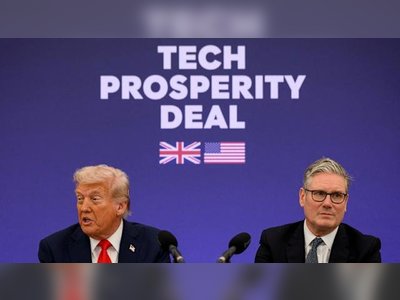
The governments of the United States and the United Kingdom have reached a significant agreement on pharmaceuticals that ties elements of U.S. drug pricing reform to changes in how the UK approaches medicine costs and trade, marking a high-profile outcome in bilateral economic negotiations.
Under terms agreed this month, the U.K. will adjust its domestic pricing framework for new medicines in return for the United States maintaining zero tariffs on British pharmaceutical exports for at least three years.
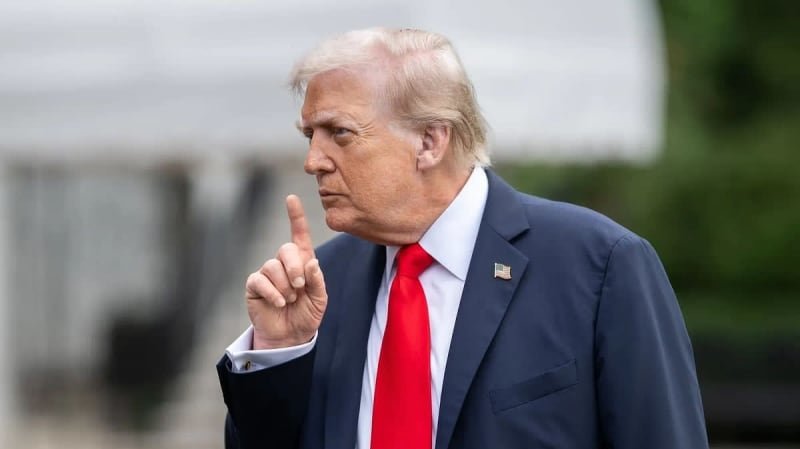
In Washington, President Donald Trump announced that a growing number of major pharmaceutical companies have endorsed a “most-favoured-nation” pricing standard, pledging to offer their medicines to U.S. government programmes such as Medicaid at prices comparable to, or lower than, those charged in other wealthy countries.
Nine additional companies, including Amgen, Bristol Myers Squibb, Genentech, Gilead Sciences, GlaxoSmithKline, Merck, Novartis, Sanofi and Boehringer Ingelheim, have signed agreements under this initiative, committing to substantial discounts on key medicines and participation in a new direct-to-consumer platform to widen access to lower prices for patients.
This brings to more than a dozen the number of drugmakers participating in the administration’s pricing reform effort.
London’s adjustment involves recalibrating the value framework used by the National Institute for Health and Care Excellence — raising the threshold for assessing whether new treatments represent good value for the National Health Service — and lowering the rebate rate paid back by manufacturers on branded medicines sold to the NHS.
These measures are designed to increase the effective price the UK health system pays for innovative medicines.
In exchange for these concessions, the U.S. has agreed to exempt U.K. origin medicines and related products from tariffs that might otherwise be imposed under broader trade authorities, safeguarding British pharmaceutical exports to the world’s largest drug market.
Industry, parliamentary committees and healthcare analysts have raised questions about the fiscal implications of the deal for the NHS and the potential effects on patient access and equity, prompting legislative scrutiny and requests for greater clarity on long-term costs and budgetary impacts.
Ministers have defended the arrangement as enhancing the UK’s attractiveness to biopharmaceutical investment and securing unfettered access to the U.S. market, which they argue will benefit British manufacturers and innovation over time.
Both governments have emphasised that the agreement reinforces cooperation on life sciences and global health, while addressing persistent concerns about high drug prices and market distortions.
The implementation of the accord is expected to unfold over coming months, with detailed terms of the pricing arrangements and tariff commitments to be set out in the coming year.
Under terms agreed this month, the U.K. will adjust its domestic pricing framework for new medicines in return for the United States maintaining zero tariffs on British pharmaceutical exports for at least three years.
In Washington, President Donald Trump announced that a growing number of major pharmaceutical companies have endorsed a “most-favoured-nation” pricing standard, pledging to offer their medicines to U.S. government programmes such as Medicaid at prices comparable to, or lower than, those charged in other wealthy countries.
Nine additional companies, including Amgen, Bristol Myers Squibb, Genentech, Gilead Sciences, GlaxoSmithKline, Merck, Novartis, Sanofi and Boehringer Ingelheim, have signed agreements under this initiative, committing to substantial discounts on key medicines and participation in a new direct-to-consumer platform to widen access to lower prices for patients.
This brings to more than a dozen the number of drugmakers participating in the administration’s pricing reform effort.
London’s adjustment involves recalibrating the value framework used by the National Institute for Health and Care Excellence — raising the threshold for assessing whether new treatments represent good value for the National Health Service — and lowering the rebate rate paid back by manufacturers on branded medicines sold to the NHS.
These measures are designed to increase the effective price the UK health system pays for innovative medicines.
In exchange for these concessions, the U.S. has agreed to exempt U.K. origin medicines and related products from tariffs that might otherwise be imposed under broader trade authorities, safeguarding British pharmaceutical exports to the world’s largest drug market.
Industry, parliamentary committees and healthcare analysts have raised questions about the fiscal implications of the deal for the NHS and the potential effects on patient access and equity, prompting legislative scrutiny and requests for greater clarity on long-term costs and budgetary impacts.
Ministers have defended the arrangement as enhancing the UK’s attractiveness to biopharmaceutical investment and securing unfettered access to the U.S. market, which they argue will benefit British manufacturers and innovation over time.
Both governments have emphasised that the agreement reinforces cooperation on life sciences and global health, while addressing persistent concerns about high drug prices and market distortions.
The implementation of the accord is expected to unfold over coming months, with detailed terms of the pricing arrangements and tariff commitments to be set out in the coming year.