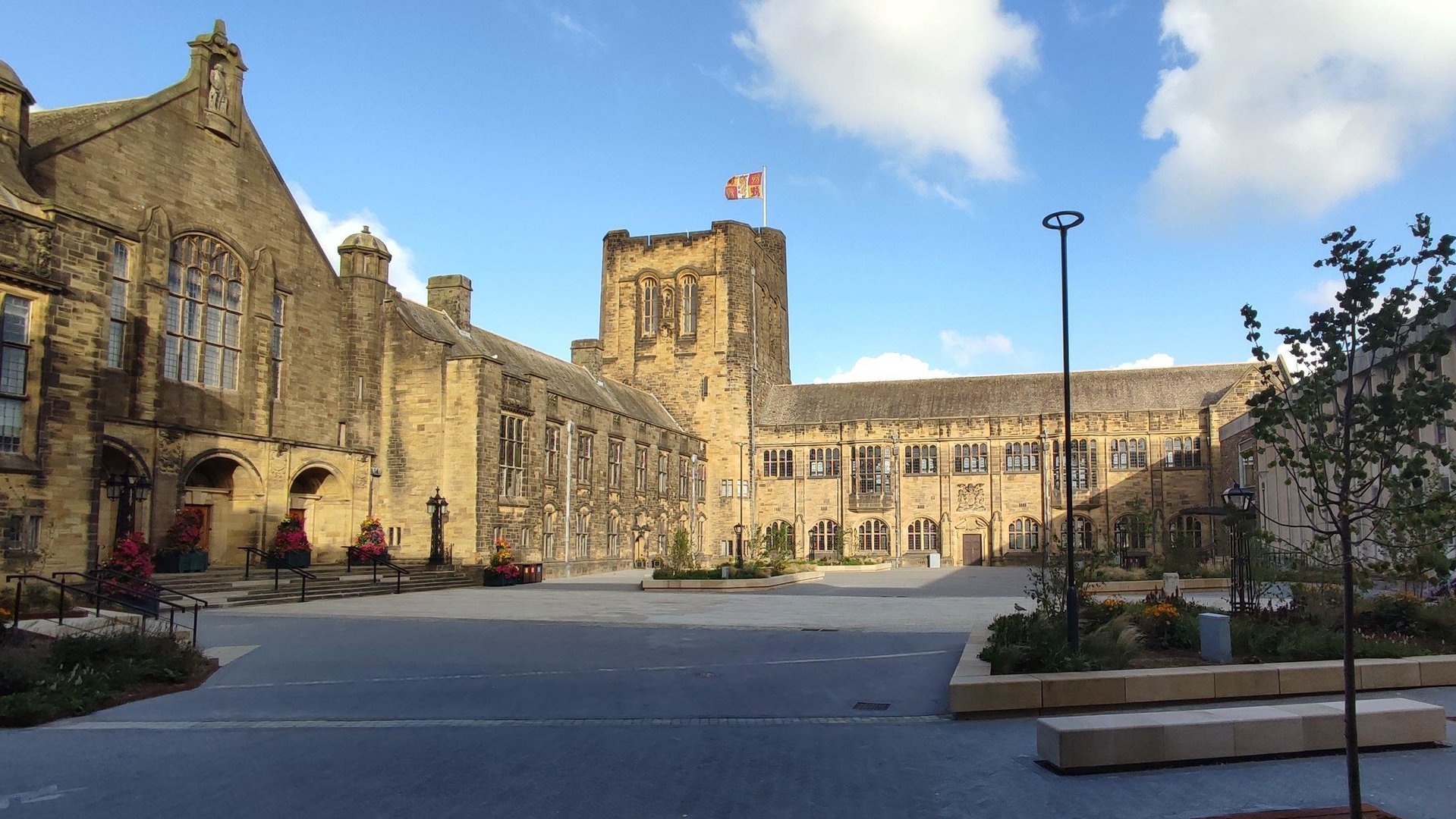
Bangor University Student Society Refuses Reform UK Event, Sparking Heated Debate on Campus Speech
Welsh student debating group declines to host Reform UK MPs citing discriminatory concerns, prompting backlash and political threats over funding
A student-run debating and political society at Bangor University has refused an invitation from senior members of Reform UK to hold a question-and-answer session on campus, saying the party’s record was incompatible with its values and expressing ‘‘zero tolerance for any form of racism, transphobia or homophobia”.
The society, which operates independently through the university’s Students’ Union, said it denied the request from Reform UK MP Sarah Pochin and an adviser because it believed platforming them would undermine the inclusive environment it strives to maintain.
The society described its stance as a first among university debating unions and urged peer organisations to ‘‘keep hate out of our universities” as part of its longstanding commitment to respectful discourse.
The decision has sparked a broader political row.
Reform UK’s head of policy reacted angrily on social media, stating that Bangor University had ‘‘banned Reform” and labelled the party ‘‘racist, transphobic and homophobic”, a characterisation rooted in the student group’s statement.
He warned that if Reform UK were elected to government it could reconsider the approximately £30 million in public funding received annually by Bangor University, despite the refusal originating from a student society rather than the university administration itself.
Bangor University officials sought to distance the institution from the society’s decision, emphasising the university’s political neutrality and support for free speech while reaffirming that student societies act independently.
Reactions have been sharply divided.
Supporters of the society’s stance praised its prioritisation of safety and inclusivity for marginalised students, including LGBTQ+ communities, while critics, including free speech advocates and political figures, argued that universities should facilitate open debate.
A leader from Reform Wales vowed to introduce legislation after potential electoral success that would strengthen free speech protections on Welsh campuses and curb what he described as ‘‘militant cancel culture”.
Opponents of the society’s action contend that rejecting a platform for political engagement undermines the purpose of academic debate, though defenders say voluntary choices about programming are integral to the group’s autonomy and values.
The society, which operates independently through the university’s Students’ Union, said it denied the request from Reform UK MP Sarah Pochin and an adviser because it believed platforming them would undermine the inclusive environment it strives to maintain.
The society described its stance as a first among university debating unions and urged peer organisations to ‘‘keep hate out of our universities” as part of its longstanding commitment to respectful discourse.
The decision has sparked a broader political row.
Reform UK’s head of policy reacted angrily on social media, stating that Bangor University had ‘‘banned Reform” and labelled the party ‘‘racist, transphobic and homophobic”, a characterisation rooted in the student group’s statement.
He warned that if Reform UK were elected to government it could reconsider the approximately £30 million in public funding received annually by Bangor University, despite the refusal originating from a student society rather than the university administration itself.
Bangor University officials sought to distance the institution from the society’s decision, emphasising the university’s political neutrality and support for free speech while reaffirming that student societies act independently.
Reactions have been sharply divided.
Supporters of the society’s stance praised its prioritisation of safety and inclusivity for marginalised students, including LGBTQ+ communities, while critics, including free speech advocates and political figures, argued that universities should facilitate open debate.
A leader from Reform Wales vowed to introduce legislation after potential electoral success that would strengthen free speech protections on Welsh campuses and curb what he described as ‘‘militant cancel culture”.
Opponents of the society’s action contend that rejecting a platform for political engagement undermines the purpose of academic debate, though defenders say voluntary choices about programming are integral to the group’s autonomy and values.