China to Halve Tariffs on UK Whisky Following Xi–Starmer Talks in Beijing
Tariff cut on Scotch whisky marks early economic breakthrough as Britain and China move to reset strained trade relations
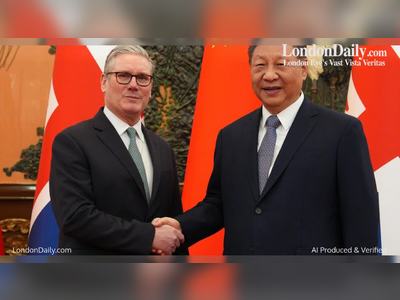
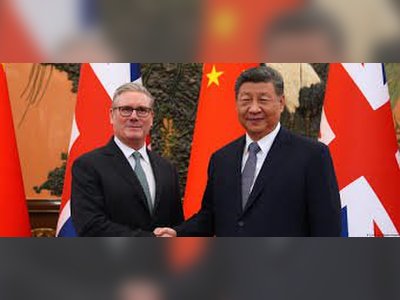
China has agreed to cut tariffs on United Kingdom whisky exports by half following high-level talks between President Xi Jinping and British Prime Minister Sir Keir Starmer in Beijing, delivering a significant boost to one of Britain’s most valuable export industries.
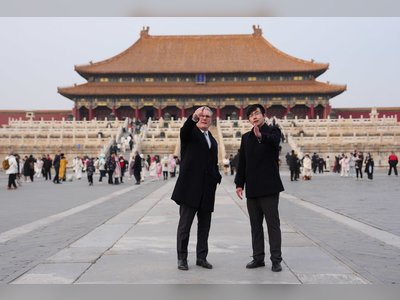
The agreement, reached during Starmer’s first official visit to China, will reduce tariffs on Scotch whisky from twenty per cent to ten per cent, easing access to one of the world’s fastest-growing premium spirits markets.
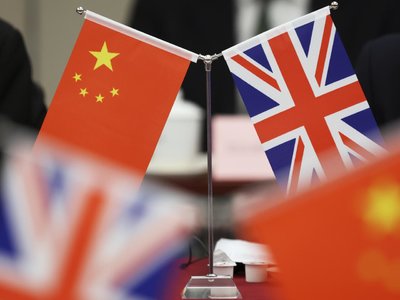
The move is widely seen as a tangible sign of warming economic relations after years of political tension and trade friction between London and Beijing.
British officials said the tariff reduction would strengthen the competitiveness of UK whisky producers in China, where demand for premium spirits has continued to grow despite broader economic headwinds.
The Scotch whisky industry is one of the UK’s largest food and drink export sectors, supporting tens of thousands of jobs across Scotland and contributing billions of pounds annually to the economy.
Industry leaders welcomed the decision as a commercially meaningful outcome that could help accelerate export growth and investment.
The tariff cut formed part of a broader package of economic measures discussed during the visit, which also included commitments to explore deeper cooperation on trade in services, improve market access for British firms and enhance people-to-people links.
Starmer described the outcome as evidence that “pragmatic engagement delivers results,” while emphasising that the United Kingdom would continue to pursue its national interests with clarity and consistency.
Chinese officials framed the move as a gesture of goodwill and mutual benefit, aligning with Beijing’s wider effort to stabilise relations with key Western partners.
The decision comes as China seeks to attract foreign investment and demonstrate openness to trade at a time of shifting global alliances and economic uncertainty.
For the UK, the whisky tariff reduction is being viewed as an early economic dividend from renewed diplomatic engagement, with government officials indicating that further sector-specific gains could follow as talks progress.
The agreement underscores the central role of trade diplomacy in the evolving UK–China relationship and highlights whisky’s enduring importance as a flagship British export.
The agreement, reached during Starmer’s first official visit to China, will reduce tariffs on Scotch whisky from twenty per cent to ten per cent, easing access to one of the world’s fastest-growing premium spirits markets.
The move is widely seen as a tangible sign of warming economic relations after years of political tension and trade friction between London and Beijing.
British officials said the tariff reduction would strengthen the competitiveness of UK whisky producers in China, where demand for premium spirits has continued to grow despite broader economic headwinds.
The Scotch whisky industry is one of the UK’s largest food and drink export sectors, supporting tens of thousands of jobs across Scotland and contributing billions of pounds annually to the economy.
Industry leaders welcomed the decision as a commercially meaningful outcome that could help accelerate export growth and investment.
The tariff cut formed part of a broader package of economic measures discussed during the visit, which also included commitments to explore deeper cooperation on trade in services, improve market access for British firms and enhance people-to-people links.
Starmer described the outcome as evidence that “pragmatic engagement delivers results,” while emphasising that the United Kingdom would continue to pursue its national interests with clarity and consistency.
Chinese officials framed the move as a gesture of goodwill and mutual benefit, aligning with Beijing’s wider effort to stabilise relations with key Western partners.
The decision comes as China seeks to attract foreign investment and demonstrate openness to trade at a time of shifting global alliances and economic uncertainty.
For the UK, the whisky tariff reduction is being viewed as an early economic dividend from renewed diplomatic engagement, with government officials indicating that further sector-specific gains could follow as talks progress.
The agreement underscores the central role of trade diplomacy in the evolving UK–China relationship and highlights whisky’s enduring importance as a flagship British export.