Convicted Terrorist Who Plotted to Bomb British Consulate Seeks Council Seat in Birmingham
Shahid Butt, once jailed over a Yemen terror plot including attacks on a consulate and church, is standing for election in local government
A convicted terrorist jailed for his role in an armed extremist plot overseas is standing as a candidate in local elections in Birmingham, shocking political observers and prompting debate about rehabilitation, community representation and public safety.
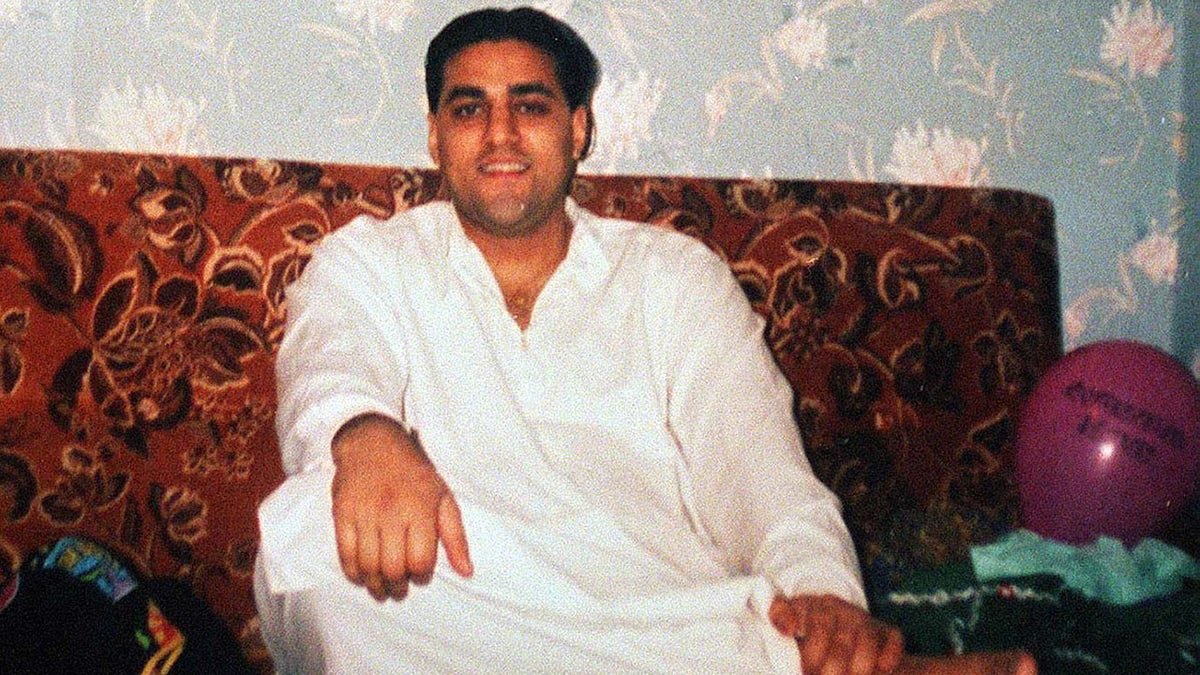
Shahid Butt, aged 60, who was convicted in Yemen in 1999 after forming an armed group that allegedly planned bomb attacks on the British consulate in Aden, an Anglican church and a Swiss-owned hotel, is one of around twenty candidates contesting the Sparkhill ward in the May Birmingham City Council elections.
Butt was sentenced to five years’ imprisonment in Yemen for his involvement in what prosecutors then described as a conspiracy involving murder, destruction and weapons possession, but he has consistently denied wrongdoing, asserting that his confession was extracted under torture and that no violence ultimately occurred.
The group linked to the plot was reportedly associated with radicals who kidnapped Western tourists in Yemen in the late 1990s and was said to have been influenced by Islamist cleric Abu Hamza, now serving a lengthy sentence abroad.
Since his return to the United Kingdom and release more than two decades ago, Butt has been active in his local community, focusing on youth outreach, anti-gang programmes and efforts to divert young people from drugs, violence and antisocial behaviour, presenting these initiatives as central to his campaign.
Running under the banner of the Independent Candidates Alliance, a local political grouping formed last year with the aim of challenging established parties, Butt argues that his “colourful life” and years of grassroots activism give him unique credibility to represent his community and address persistent socioeconomic challenges in Sparkhill, one of Birmingham’s most diverse and economically disadvantaged areas.
Critics, however, have expressed concern that his past extremism conviction casts a shadow over his bid for public office and risks inflaming tensions, particularly at a time of heightened awareness around security and community cohesion.
Supporters counter that Butt’s candidacy is a demonstration of rehabilitation and democratic inclusion, and that British law allows individuals who have served their sentences to participate fully in civic life unless specifically barred.
As the campaign unfolds, local voters will weigh Butt’s personal narrative of reform and advocacy against the gravity of his historical conviction and the broader implications for public trust and community leadership.
Shahid Butt, aged 60, who was convicted in Yemen in 1999 after forming an armed group that allegedly planned bomb attacks on the British consulate in Aden, an Anglican church and a Swiss-owned hotel, is one of around twenty candidates contesting the Sparkhill ward in the May Birmingham City Council elections.
Butt was sentenced to five years’ imprisonment in Yemen for his involvement in what prosecutors then described as a conspiracy involving murder, destruction and weapons possession, but he has consistently denied wrongdoing, asserting that his confession was extracted under torture and that no violence ultimately occurred.
The group linked to the plot was reportedly associated with radicals who kidnapped Western tourists in Yemen in the late 1990s and was said to have been influenced by Islamist cleric Abu Hamza, now serving a lengthy sentence abroad.
Since his return to the United Kingdom and release more than two decades ago, Butt has been active in his local community, focusing on youth outreach, anti-gang programmes and efforts to divert young people from drugs, violence and antisocial behaviour, presenting these initiatives as central to his campaign.
Running under the banner of the Independent Candidates Alliance, a local political grouping formed last year with the aim of challenging established parties, Butt argues that his “colourful life” and years of grassroots activism give him unique credibility to represent his community and address persistent socioeconomic challenges in Sparkhill, one of Birmingham’s most diverse and economically disadvantaged areas.
Critics, however, have expressed concern that his past extremism conviction casts a shadow over his bid for public office and risks inflaming tensions, particularly at a time of heightened awareness around security and community cohesion.
Supporters counter that Butt’s candidacy is a demonstration of rehabilitation and democratic inclusion, and that British law allows individuals who have served their sentences to participate fully in civic life unless specifically barred.
As the campaign unfolds, local voters will weigh Butt’s personal narrative of reform and advocacy against the gravity of his historical conviction and the broader implications for public trust and community leadership.