
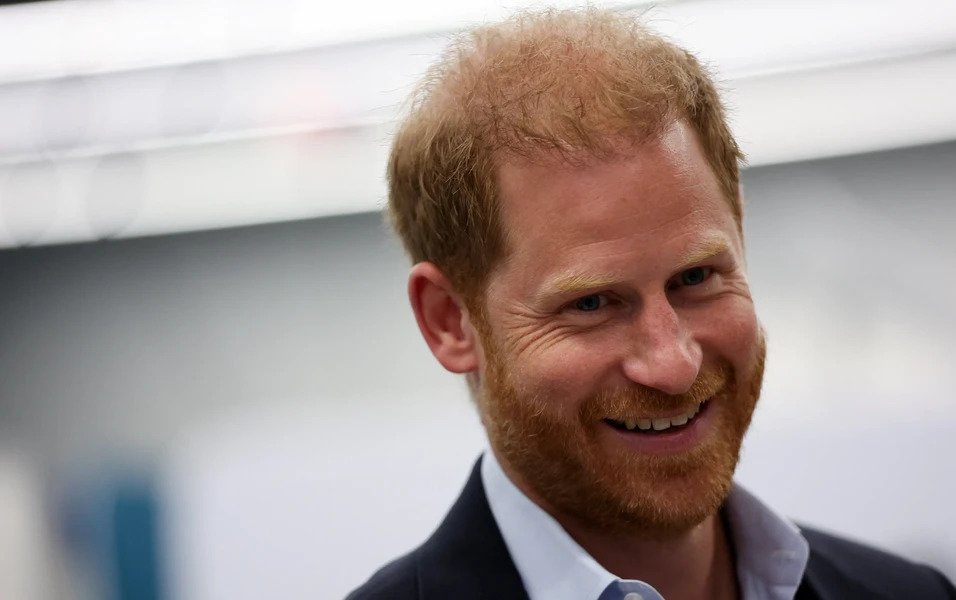
Prince Harry’s quiet backchannel with the Palace signals cautious thaw in strained royal relations
Behind-the-scenes coordination highlights a tightly managed effort to reduce tensions while avoiding any formal reconciliation announcement or public reset
An informal and carefully managed communication channel between Prince Harry and officials within Buckingham Palace has emerged as a mechanism to coordinate sensitive matters, reflecting a cautious attempt to stabilise relations after years of public and legal conflict.
The central development is not a formal reconciliation between Prince Harry and the Royal Family, but the existence of low-profile coordination designed to manage practical issues, reduce public friction, and avoid further escalation in media-driven disputes.
This approach reflects the reality that direct public engagement between Harry and senior royals has remained limited since he stepped back from official duties in 2020.
Prince Harry, the Duke of Sussex, and his wife Meghan Markle relocated to the United States after leaving formal royal responsibilities.
Since then, relations with the Royal Household have been marked by public interviews, documentary projects, and legal disputes involving privacy and security arrangements.
These developments significantly reduced direct institutional trust between both sides.
The current coordination appears to focus on logistical and reputational risk management rather than personal reconciliation.
It involves intermediaries and aides rather than direct communication between senior family members, and is designed to prevent misunderstandings during periods of high public attention, particularly around major royal events or international appearances.
The key structural issue is the Royal Family’s need to balance institutional continuity with private family relationships that have become highly politicised and global in scale.
Unlike traditional family disputes, the Royal Household operates within a constitutional monarchy where public perception, media narratives, and security considerations carry state-level significance.
Harry’s position adds additional complexity.
As a non-working royal, he retains his titles but does not perform official duties.
This creates a hybrid status in which he remains symbolically connected to the monarchy while operating independently, often in public-facing commercial and philanthropic roles abroad.
Security has been one of the most persistent points of contention.
Legal challenges in the United Kingdom regarding police protection arrangements for Harry and his family have contributed to ongoing friction between him and UK institutions.
These disputes have reinforced the need for structured communication channels even in the absence of personal reconciliation.
For Buckingham Palace, managing this relationship is also about institutional risk control.
Uncoordinated public messaging or unexpected disclosures from either side have the potential to generate political attention and media cycles that the monarchy typically seeks to avoid.
Informal coordination helps limit that volatility.
The broader implication is that the relationship between Prince Harry and the Royal Family has moved from open conflict into a phase of managed distance.
This is not reconciliation, but procedural containment: a structured effort to prevent disputes from escalating into further public crises.
The continuation of this backchannel suggests that both sides recognise the cost of sustained confrontation.
While no formal reset has been announced, the existence of communication infrastructure indicates an ongoing effort to maintain functional stability within a fractured family and a globally visible institution.
The central development is not a formal reconciliation between Prince Harry and the Royal Family, but the existence of low-profile coordination designed to manage practical issues, reduce public friction, and avoid further escalation in media-driven disputes.
This approach reflects the reality that direct public engagement between Harry and senior royals has remained limited since he stepped back from official duties in 2020.
Prince Harry, the Duke of Sussex, and his wife Meghan Markle relocated to the United States after leaving formal royal responsibilities.
Since then, relations with the Royal Household have been marked by public interviews, documentary projects, and legal disputes involving privacy and security arrangements.
These developments significantly reduced direct institutional trust between both sides.
The current coordination appears to focus on logistical and reputational risk management rather than personal reconciliation.
It involves intermediaries and aides rather than direct communication between senior family members, and is designed to prevent misunderstandings during periods of high public attention, particularly around major royal events or international appearances.
The key structural issue is the Royal Family’s need to balance institutional continuity with private family relationships that have become highly politicised and global in scale.
Unlike traditional family disputes, the Royal Household operates within a constitutional monarchy where public perception, media narratives, and security considerations carry state-level significance.
Harry’s position adds additional complexity.
As a non-working royal, he retains his titles but does not perform official duties.
This creates a hybrid status in which he remains symbolically connected to the monarchy while operating independently, often in public-facing commercial and philanthropic roles abroad.
Security has been one of the most persistent points of contention.
Legal challenges in the United Kingdom regarding police protection arrangements for Harry and his family have contributed to ongoing friction between him and UK institutions.
These disputes have reinforced the need for structured communication channels even in the absence of personal reconciliation.
For Buckingham Palace, managing this relationship is also about institutional risk control.
Uncoordinated public messaging or unexpected disclosures from either side have the potential to generate political attention and media cycles that the monarchy typically seeks to avoid.
Informal coordination helps limit that volatility.
The broader implication is that the relationship between Prince Harry and the Royal Family has moved from open conflict into a phase of managed distance.
This is not reconciliation, but procedural containment: a structured effort to prevent disputes from escalating into further public crises.
The continuation of this backchannel suggests that both sides recognise the cost of sustained confrontation.
While no formal reset has been announced, the existence of communication infrastructure indicates an ongoing effort to maintain functional stability within a fractured family and a globally visible institution.