
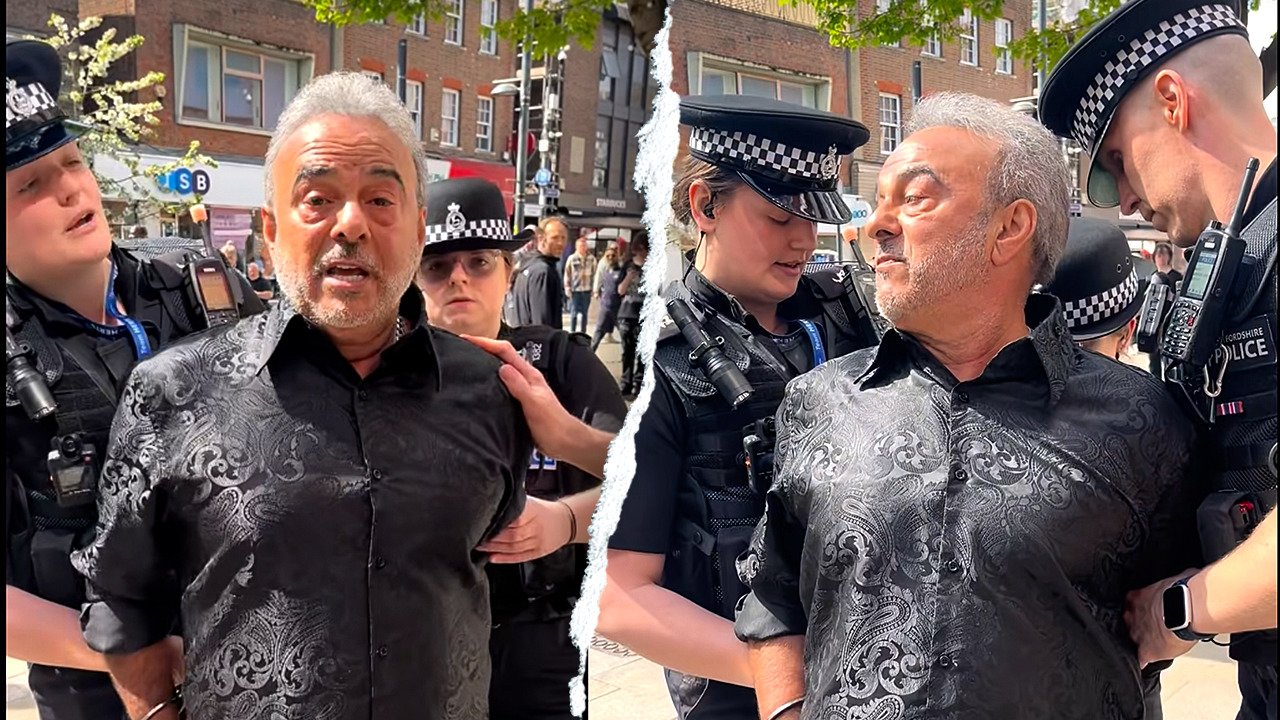
Allegation of Arrest of UK Pastor Raises Debate Over Speech, Religion, and Public Order Laws
A claim that a pastor was detained for preaching and criticizing Islam has circulated online, prompting renewed scrutiny of how UK law treats religious expression and alleged hate speech.
UK public order and hate speech enforcement frameworks have become the focal point of renewed debate after claims emerged that a pastor in the United Kingdom was arrested while preaching the Christian gospel and making critical remarks about Islam.
The allegation, presented through statements attributed to the pastor himself, has not been independently verified in its full details, but it has rapidly circulated across social media and advocacy networks, triggering broader political and legal discussion.
What is central to the controversy is the intersection between freedom of religious expression and laws designed to prevent incitement to hatred or public disorder.
In the United Kingdom, police and prosecutors operate under legislation that can apply when speech is considered threatening, abusive, or likely to incite hostility against protected groups.
These laws are not limited to any single religion and are applied based on context, intent, and perceived risk of harm or escalation.
The claim describes a scenario in which a religious preacher says he was detained while delivering a sermon in public and speaking critically about Islam.
At present, there is no publicly confirmed legal record detailed in the claim that establishes the precise grounds of any alleged arrest, nor has any formal charge or court outcome been identified in the circulating material.
As a result, the factual baseline remains limited to the existence of the claim itself rather than independently confirmed enforcement action.
The broader context is that public preaching in open spaces has repeatedly been a legal flashpoint in the UK, particularly when speech is perceived as targeting religious identity.
Law enforcement authorities must balance competing obligations: protecting freedom of expression, ensuring public order, and preventing hate-based hostility.
This balancing act has led in past cases to disputes over where legitimate religious criticism ends and unlawful incitement begins.
The political stakes are significant because similar incidents often become reference points in wider debates about secularism, immigration, religious tolerance, and the boundaries of acceptable speech in liberal democracies.
Supporters of stricter enforcement argue that laws are necessary to prevent escalation into harassment or violence, while critics argue that enforcement can risk overreach into protected religious speech.
As the claim continues to circulate, attention has shifted toward whether official documentation or verified legal proceedings will clarify what occurred.
Until such confirmation emerges, the case remains defined by competing interpretations of events and broader disagreement over how public order laws should be applied to religious preaching in public spaces.
The allegation, presented through statements attributed to the pastor himself, has not been independently verified in its full details, but it has rapidly circulated across social media and advocacy networks, triggering broader political and legal discussion.
What is central to the controversy is the intersection between freedom of religious expression and laws designed to prevent incitement to hatred or public disorder.
In the United Kingdom, police and prosecutors operate under legislation that can apply when speech is considered threatening, abusive, or likely to incite hostility against protected groups.
These laws are not limited to any single religion and are applied based on context, intent, and perceived risk of harm or escalation.
The claim describes a scenario in which a religious preacher says he was detained while delivering a sermon in public and speaking critically about Islam.
At present, there is no publicly confirmed legal record detailed in the claim that establishes the precise grounds of any alleged arrest, nor has any formal charge or court outcome been identified in the circulating material.
As a result, the factual baseline remains limited to the existence of the claim itself rather than independently confirmed enforcement action.
The broader context is that public preaching in open spaces has repeatedly been a legal flashpoint in the UK, particularly when speech is perceived as targeting religious identity.
Law enforcement authorities must balance competing obligations: protecting freedom of expression, ensuring public order, and preventing hate-based hostility.
This balancing act has led in past cases to disputes over where legitimate religious criticism ends and unlawful incitement begins.
The political stakes are significant because similar incidents often become reference points in wider debates about secularism, immigration, religious tolerance, and the boundaries of acceptable speech in liberal democracies.
Supporters of stricter enforcement argue that laws are necessary to prevent escalation into harassment or violence, while critics argue that enforcement can risk overreach into protected religious speech.
As the claim continues to circulate, attention has shifted toward whether official documentation or verified legal proceedings will clarify what occurred.
Until such confirmation emerges, the case remains defined by competing interpretations of events and broader disagreement over how public order laws should be applied to religious preaching in public spaces.