UK Defence Gaps Exposed as Britain Holds Back from Iran Conflict Role
Strained military capacity and political caution shape London’s limited involvement while US pressure over Iran exposes deeper questions about readiness and alliance expectations
SYSTEM-DRIVEN tensions in defence capability, alliance commitments, and Middle East security policy are shaping Britain’s constrained response to rising Iran-related military escalation, as questions intensify over whether the United Kingdom can match its strategic ambitions with available military resources.
The immediate context is a period of heightened regional instability involving Iran and its network of aligned groups across the Middle East, alongside increased US expectations for allied support.
Within this environment, Britain has opted not to take a frontline offensive role in potential strike planning against Iran-linked targets, instead focusing on defensive positioning, maritime security, and intelligence coordination.
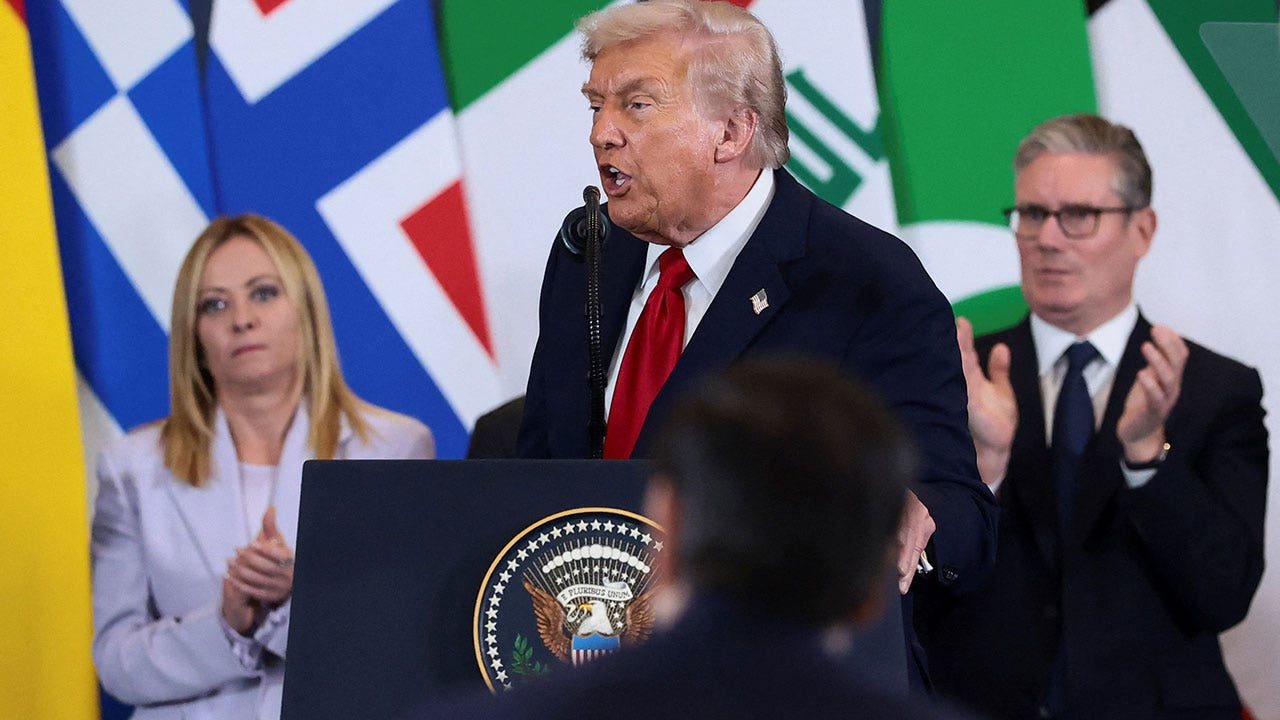
What is confirmed is that UK officials have not publicly committed to participating in direct offensive military action against Iran, even as the United States under Donald Trump applies pressure on allies to align more closely with Washington’s deterrence strategy.
British contributions have instead been concentrated on naval deployments in key waterways, including protection of shipping lanes in the Gulf region, and on reinforcing regional security partnerships.
The policy restraint is closely linked to long-running concerns about British military capacity.
Defence planners have repeatedly warned that the UK armed forces are operating under structural constraints, including limited stockpiles of advanced munitions, stretched personnel levels, and competing global commitments.
These constraints have become more visible following sustained deployments to Europe, the Middle East, and training support for Ukraine.
The mechanism behind the current limitation is not a single political decision but an accumulation of strategic trade-offs.
Over decades, successive UK governments have reduced certain conventional capabilities while prioritising expeditionary and specialist forces.
That model has proven effective in coalition operations but leaves limited room for sustained high-intensity conflict without US logistical and operational support.
The transatlantic dimension adds further pressure.
The United States has increasingly emphasised burden-sharing among NATO allies and partners in Middle Eastern security operations.
Criticism from Trump-aligned officials reflects a broader expectation that European allies should take on more direct military responsibility in regional crises, particularly where US forces are already heavily engaged.
Within London, the strategic debate centres on risk management.
Direct involvement in offensive operations against Iran carries escalation risks, including retaliation against UK assets, energy infrastructure disruption, and increased threats to personnel in the region.
At the same time, avoiding participation risks weakening Britain’s influence in shaping US-led strategy and post-conflict diplomatic outcomes.
Military analysts point to a structural gap between Britain’s global strategic ambitions and its current force readiness.
While the UK retains advanced capabilities in intelligence, special operations, and naval power projection, it faces constraints in sustained air and missile operations at scale.
This imbalance has become more visible as global conflicts increasingly require rapid, high-volume deployment of precision munitions and integrated air defence systems.
Diplomatically, the UK continues to position itself as a stabilising force rather than a primary combat actor in the Iran theatre.
That posture allows London to maintain alignment with Washington while limiting exposure to direct escalation.
However, it also reinforces perceptions that Britain’s ability to independently shape major security outcomes has narrowed compared to earlier decades.
The broader consequence is a recalibration of Britain’s role within Western security architecture.
As crises intensify in multiple regions simultaneously, the UK is increasingly operating as a specialist contributor rather than a full-spectrum military power capable of independently sustaining major operations.
That shift is now central to policy discussions in both London and allied capitals.
The immediate context is a period of heightened regional instability involving Iran and its network of aligned groups across the Middle East, alongside increased US expectations for allied support.
Within this environment, Britain has opted not to take a frontline offensive role in potential strike planning against Iran-linked targets, instead focusing on defensive positioning, maritime security, and intelligence coordination.
What is confirmed is that UK officials have not publicly committed to participating in direct offensive military action against Iran, even as the United States under Donald Trump applies pressure on allies to align more closely with Washington’s deterrence strategy.
British contributions have instead been concentrated on naval deployments in key waterways, including protection of shipping lanes in the Gulf region, and on reinforcing regional security partnerships.
The policy restraint is closely linked to long-running concerns about British military capacity.
Defence planners have repeatedly warned that the UK armed forces are operating under structural constraints, including limited stockpiles of advanced munitions, stretched personnel levels, and competing global commitments.
These constraints have become more visible following sustained deployments to Europe, the Middle East, and training support for Ukraine.
The mechanism behind the current limitation is not a single political decision but an accumulation of strategic trade-offs.
Over decades, successive UK governments have reduced certain conventional capabilities while prioritising expeditionary and specialist forces.
That model has proven effective in coalition operations but leaves limited room for sustained high-intensity conflict without US logistical and operational support.
The transatlantic dimension adds further pressure.
The United States has increasingly emphasised burden-sharing among NATO allies and partners in Middle Eastern security operations.
Criticism from Trump-aligned officials reflects a broader expectation that European allies should take on more direct military responsibility in regional crises, particularly where US forces are already heavily engaged.
Within London, the strategic debate centres on risk management.
Direct involvement in offensive operations against Iran carries escalation risks, including retaliation against UK assets, energy infrastructure disruption, and increased threats to personnel in the region.
At the same time, avoiding participation risks weakening Britain’s influence in shaping US-led strategy and post-conflict diplomatic outcomes.
Military analysts point to a structural gap between Britain’s global strategic ambitions and its current force readiness.
While the UK retains advanced capabilities in intelligence, special operations, and naval power projection, it faces constraints in sustained air and missile operations at scale.
This imbalance has become more visible as global conflicts increasingly require rapid, high-volume deployment of precision munitions and integrated air defence systems.
Diplomatically, the UK continues to position itself as a stabilising force rather than a primary combat actor in the Iran theatre.
That posture allows London to maintain alignment with Washington while limiting exposure to direct escalation.
However, it also reinforces perceptions that Britain’s ability to independently shape major security outcomes has narrowed compared to earlier decades.
The broader consequence is a recalibration of Britain’s role within Western security architecture.
As crises intensify in multiple regions simultaneously, the UK is increasingly operating as a specialist contributor rather than a full-spectrum military power capable of independently sustaining major operations.
That shift is now central to policy discussions in both London and allied capitals.