
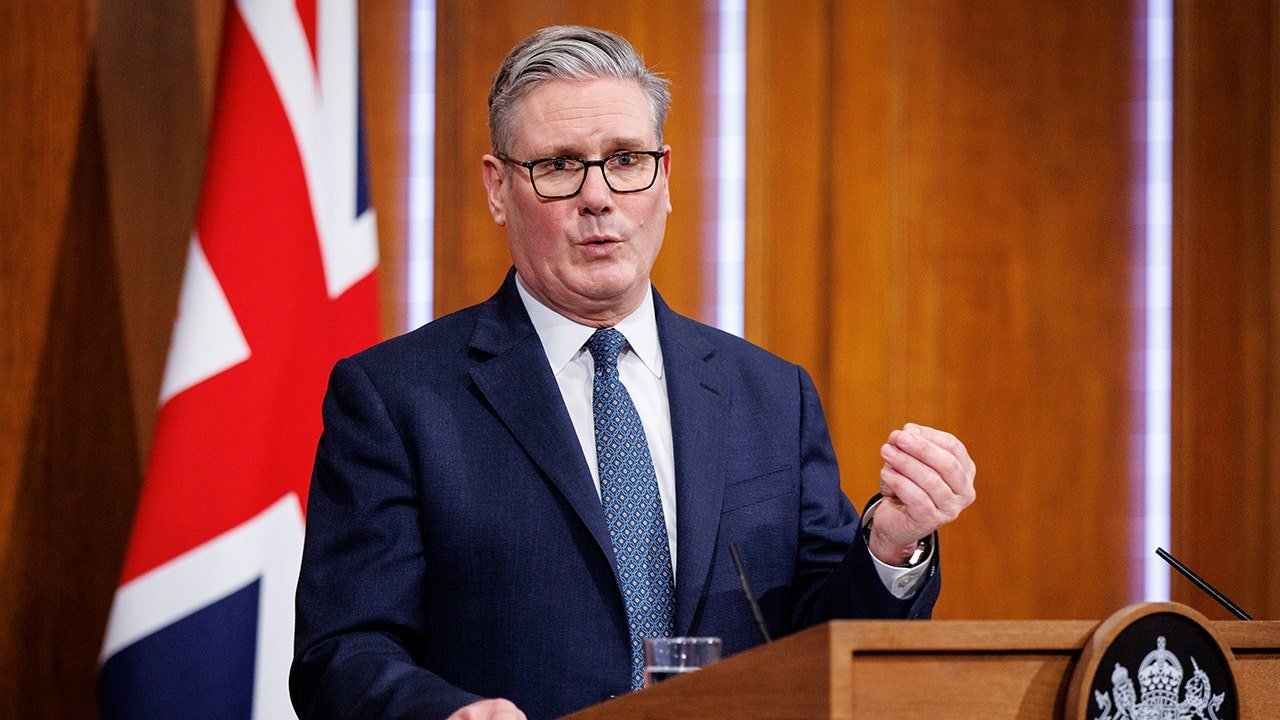
Reform Surge Deepens Pressure on Starmer as UK Local Elections Shake Political Balance
Nigel Farage’s Reform UK gains ground in local contests, intensifying scrutiny of Labour leadership and exposing fractures in Britain’s two-party system.
Actor-driven political competition is reshaping the United Kingdom’s post-election landscape after local council results strengthened Reform UK’s position and intensified pressure on Prime Minister Keir Starmer.
The contests, held across multiple regions, are widely viewed as an early indicator of voter sentiment toward the national government and opposition parties, despite having no direct impact on parliamentary control.
Local elections in the UK determine control of municipal councils responsible for everyday public services including housing, waste collection, planning permissions, and social care delivery.
While administratively local, they function politically as a referendum on national leadership, particularly when turnout patterns and vote shifts signal broader dissatisfaction with mainstream parties.
The central development in this cycle is the visible rise of Reform UK, led by Nigel Farage, which has capitalized on voter frustration with both Labour and the Conservatives.
The party’s messaging has focused on immigration, taxation, government spending, and perceived institutional decline.
Its gains in selected councils reflect a broader trend of political fragmentation, where voters are increasingly willing to abandon traditional party loyalty in favor of issue-driven alternatives.
Farage’s framing of the results as a significant blow to Prime Minister Keir Starmer has amplified political tension in Westminster.
While Labour remains the governing party at the national level, the local election outcomes have created a narrative challenge for Starmer, who has positioned his leadership on restoring stability and credibility after years of political volatility.
Pressure has increased from within political commentary circles and parts of the opposition ecosystem, with calls for accountability emerging in response to Labour’s performance in contested areas.
For Labour, the immediate issue is not loss of national power but erosion of electoral resilience in key regions.
Even limited seat losses or reduced vote shares can be interpreted as signals of weakening support, particularly in constituencies that are expected to form the backbone of any general election strategy.
The party now faces the dual challenge of retaining its urban strongholds while preventing defections to smaller insurgent parties.
The Conservative Party is also affected by the same dynamic.
Reform UK’s rise has intensified vote splitting on the right, particularly in areas where traditional Conservative voters are shifting toward alternative right-leaning platforms.
This fragmentation complicates electoral strategy under the United Kingdom’s first-past-the-post system, where divided vote blocs can produce outcomes that do not reflect proportional support.
The broader implication of the results is the continued destabilization of Britain’s two-party political structure.
Reform UK’s gains, while uneven, contribute to a pattern in which smaller parties can influence national discourse without necessarily achieving proportional parliamentary representation.
This creates a political environment where perception of momentum can be as influential as formal seat counts.
The immediate consequence is heightened pressure on party leadership narratives across the political spectrum.
Labour must demonstrate that it can convert national governance into sustained local support, while Reform UK seeks to prove that its gains represent structural change rather than temporary protest voting.
The Conservative Party, meanwhile, faces strategic uncertainty as it contends with an increasingly divided right-wing electorate heading into future national electoral cycles.
The contests, held across multiple regions, are widely viewed as an early indicator of voter sentiment toward the national government and opposition parties, despite having no direct impact on parliamentary control.
Local elections in the UK determine control of municipal councils responsible for everyday public services including housing, waste collection, planning permissions, and social care delivery.
While administratively local, they function politically as a referendum on national leadership, particularly when turnout patterns and vote shifts signal broader dissatisfaction with mainstream parties.
The central development in this cycle is the visible rise of Reform UK, led by Nigel Farage, which has capitalized on voter frustration with both Labour and the Conservatives.
The party’s messaging has focused on immigration, taxation, government spending, and perceived institutional decline.
Its gains in selected councils reflect a broader trend of political fragmentation, where voters are increasingly willing to abandon traditional party loyalty in favor of issue-driven alternatives.
Farage’s framing of the results as a significant blow to Prime Minister Keir Starmer has amplified political tension in Westminster.
While Labour remains the governing party at the national level, the local election outcomes have created a narrative challenge for Starmer, who has positioned his leadership on restoring stability and credibility after years of political volatility.
Pressure has increased from within political commentary circles and parts of the opposition ecosystem, with calls for accountability emerging in response to Labour’s performance in contested areas.
For Labour, the immediate issue is not loss of national power but erosion of electoral resilience in key regions.
Even limited seat losses or reduced vote shares can be interpreted as signals of weakening support, particularly in constituencies that are expected to form the backbone of any general election strategy.
The party now faces the dual challenge of retaining its urban strongholds while preventing defections to smaller insurgent parties.
The Conservative Party is also affected by the same dynamic.
Reform UK’s rise has intensified vote splitting on the right, particularly in areas where traditional Conservative voters are shifting toward alternative right-leaning platforms.
This fragmentation complicates electoral strategy under the United Kingdom’s first-past-the-post system, where divided vote blocs can produce outcomes that do not reflect proportional support.
The broader implication of the results is the continued destabilization of Britain’s two-party political structure.
Reform UK’s gains, while uneven, contribute to a pattern in which smaller parties can influence national discourse without necessarily achieving proportional parliamentary representation.
This creates a political environment where perception of momentum can be as influential as formal seat counts.
The immediate consequence is heightened pressure on party leadership narratives across the political spectrum.
Labour must demonstrate that it can convert national governance into sustained local support, while Reform UK seeks to prove that its gains represent structural change rather than temporary protest voting.
The Conservative Party, meanwhile, faces strategic uncertainty as it contends with an increasingly divided right-wing electorate heading into future national electoral cycles.











