What’s at Stake in the UK’s Local Elections
Local council votes act as a barometer of national political sentiment, shaping party momentum, strategy, and leadership narratives despite their limited formal power
Local elections in the United Kingdom function as a recurring stress test of national political sentiment, but they are structurally different from general elections in both scale and impact.
They determine control of local councils responsible for services such as housing, waste collection, planning permission, and parts of social care.
Yet their broader significance lies in how they are interpreted: as an early signal of voter satisfaction or anger toward the party in national government.
The system driving the stakes is the UK’s layered electoral structure, where national leadership is decided separately from local governance but political meaning is constantly projected between the two.
This creates a persistent feedback loop: voters often use local ballots to express approval or frustration with the government in Westminster, while parties treat the results as evidence of momentum, weakness, or political realignment.
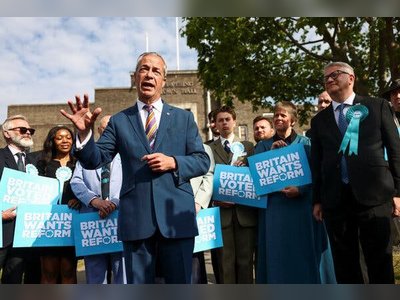
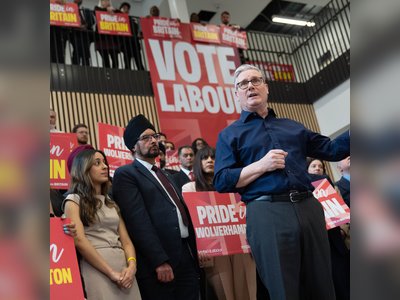
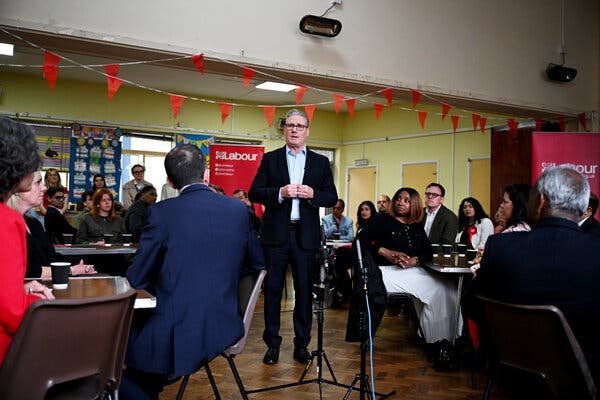
At the centre of this dynamic are major political actors including the governing Labour Party, the opposition Conservative Party, and emerging challengers such as Reform UK. Each contests not only seats but narrative control.
Gains or losses in council chambers become shorthand for broader claims about national direction, even when the policy responsibilities of local government are limited.
What is confirmed in recent cycles of local elections is that turnout tends to be significantly lower than in general elections, often reshaping outcomes in unpredictable ways.
Smaller or insurgent parties can perform disproportionately well because motivated voter blocs matter more in low-turnout contests.
This structural feature helps explain why local elections frequently produce results that are later revised or partially reversed in national polls.
The key issue is interpretation.
A surge for a challenger party can be read as either a temporary protest vote or the beginning of a durable political shift.
Similarly, losses for a governing party can reflect local dissatisfaction with specific services, national policy frustration, or simple electoral fatigue after a general election win.
The ambiguity is built into the system itself.
For the United Kingdom, the stakes extend beyond council control.
Local election outcomes influence internal party leadership debates, media narratives, and strategic policy adjustments.
Parties may recalibrate positions on taxation, immigration, public services, or economic management depending on perceived voter signals, even when those signals are statistically limited.
The broader implication is increasing volatility in British electoral politics.
Traditional two-party dominance has been challenged in recent years by fragmented voting patterns, with smaller parties gaining visibility in specific regions.
This does not automatically translate into national power, but it changes campaign strategy and weakens assumptions about stable voter loyalty.
Ultimately, what is at stake is not just who runs local councils, but how political legitimacy is read in a fragmented democratic environment.
Local elections in the United Kingdom continue to serve as both administrative contests and national opinion barometers, shaping political momentum long before voters return to choose a government at the national level.
They determine control of local councils responsible for services such as housing, waste collection, planning permission, and parts of social care.
Yet their broader significance lies in how they are interpreted: as an early signal of voter satisfaction or anger toward the party in national government.
The system driving the stakes is the UK’s layered electoral structure, where national leadership is decided separately from local governance but political meaning is constantly projected between the two.
This creates a persistent feedback loop: voters often use local ballots to express approval or frustration with the government in Westminster, while parties treat the results as evidence of momentum, weakness, or political realignment.
At the centre of this dynamic are major political actors including the governing Labour Party, the opposition Conservative Party, and emerging challengers such as Reform UK. Each contests not only seats but narrative control.
Gains or losses in council chambers become shorthand for broader claims about national direction, even when the policy responsibilities of local government are limited.
What is confirmed in recent cycles of local elections is that turnout tends to be significantly lower than in general elections, often reshaping outcomes in unpredictable ways.
Smaller or insurgent parties can perform disproportionately well because motivated voter blocs matter more in low-turnout contests.
This structural feature helps explain why local elections frequently produce results that are later revised or partially reversed in national polls.
The key issue is interpretation.
A surge for a challenger party can be read as either a temporary protest vote or the beginning of a durable political shift.
Similarly, losses for a governing party can reflect local dissatisfaction with specific services, national policy frustration, or simple electoral fatigue after a general election win.
The ambiguity is built into the system itself.
For the United Kingdom, the stakes extend beyond council control.
Local election outcomes influence internal party leadership debates, media narratives, and strategic policy adjustments.
Parties may recalibrate positions on taxation, immigration, public services, or economic management depending on perceived voter signals, even when those signals are statistically limited.
The broader implication is increasing volatility in British electoral politics.
Traditional two-party dominance has been challenged in recent years by fragmented voting patterns, with smaller parties gaining visibility in specific regions.
This does not automatically translate into national power, but it changes campaign strategy and weakens assumptions about stable voter loyalty.
Ultimately, what is at stake is not just who runs local councils, but how political legitimacy is read in a fragmented democratic environment.
Local elections in the United Kingdom continue to serve as both administrative contests and national opinion barometers, shaping political momentum long before voters return to choose a government at the national level.