
Senior Reform UK Figures Attend Launch of Satirical ‘How to Launder Money’ Book
Party representatives appear at London event for provocative political title, drawing scrutiny over optics and messaging
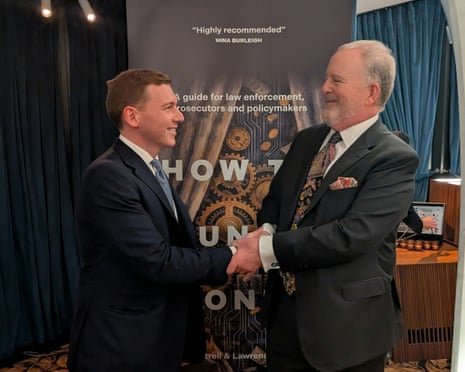
Several senior figures from Reform UK attended the London launch of a book titled "How to Launder Money", a provocative and satirical political work that has drawn attention for its title and the presence of prominent political guests.
The event, held at a central London venue, was organised to mark the publication of the book, which its author describes as a tongue-in-cheek critique of political finance, corporate opacity and regulatory loopholes.
Despite its title, the book is not a manual on criminal activity but a commentary on perceived weaknesses in financial oversight and public accountability.
Photographs and social media posts from the launch showed Reform UK representatives in attendance, prompting questions about the party’s association with the event.
Party sources indicated that attendees were present in a personal capacity and that the gathering was framed as a literary and political discussion rather than an endorsement of wrongdoing.
Reform UK, which has positioned itself as a challenger to the main Westminster parties, has campaigned on issues including government transparency, taxation and institutional reform.
Observers note that the optics of senior party figures appearing at an event linked to a book with such a title may invite criticism, even if the work itself is satirical in nature.
Political analysts say book launches and think-tank style events often serve as networking opportunities across ideological lines, particularly within London’s political circles.
Nonetheless, in a climate of heightened public sensitivity around political integrity and financial conduct, associations can carry symbolic weight.
Neither law enforcement authorities nor regulatory bodies have indicated any connection between the event and actual allegations of financial misconduct.
The controversy centres instead on perceptions and political messaging, with opponents questioning judgment and supporters dismissing the reaction as overblown.
The episode underscores how political branding and symbolism can quickly become focal points in an intensely scrutinised public environment, particularly when titles and themes intersect with broader debates about money, influence and trust in public life.
The event, held at a central London venue, was organised to mark the publication of the book, which its author describes as a tongue-in-cheek critique of political finance, corporate opacity and regulatory loopholes.
Despite its title, the book is not a manual on criminal activity but a commentary on perceived weaknesses in financial oversight and public accountability.
Photographs and social media posts from the launch showed Reform UK representatives in attendance, prompting questions about the party’s association with the event.
Party sources indicated that attendees were present in a personal capacity and that the gathering was framed as a literary and political discussion rather than an endorsement of wrongdoing.
Reform UK, which has positioned itself as a challenger to the main Westminster parties, has campaigned on issues including government transparency, taxation and institutional reform.
Observers note that the optics of senior party figures appearing at an event linked to a book with such a title may invite criticism, even if the work itself is satirical in nature.
Political analysts say book launches and think-tank style events often serve as networking opportunities across ideological lines, particularly within London’s political circles.
Nonetheless, in a climate of heightened public sensitivity around political integrity and financial conduct, associations can carry symbolic weight.
Neither law enforcement authorities nor regulatory bodies have indicated any connection between the event and actual allegations of financial misconduct.
The controversy centres instead on perceptions and political messaging, with opponents questioning judgment and supporters dismissing the reaction as overblown.
The episode underscores how political branding and symbolism can quickly become focal points in an intensely scrutinised public environment, particularly when titles and themes intersect with broader debates about money, influence and trust in public life.











