Tesla Secures One Gigawatt-Hour UK Battery Storage Deal With Matrix Renewables
Megapack agreement marks one of Britain’s largest grid-scale energy storage projects as renewables capacity accelerates
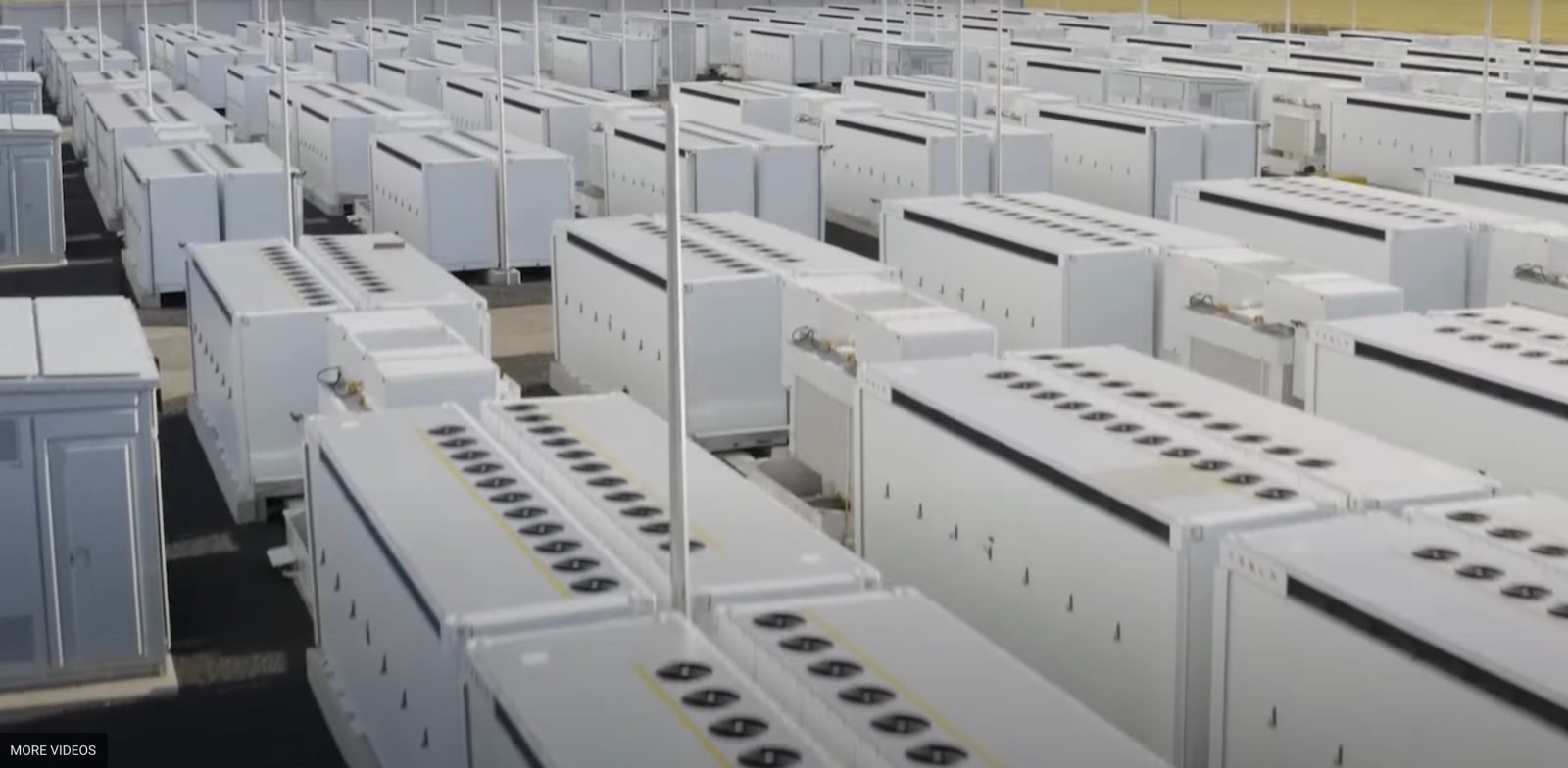
Tesla has signed a landmark agreement with Matrix Renewables to supply a one-gigawatt-hour Megapack battery storage project in the United Kingdom, marking one of the largest grid-scale energy storage commitments announced in the country to date.
The deal highlights growing momentum behind battery storage as Britain expands renewable energy generation and seeks to stabilise its power system amid rising demand and intermittent supply from wind and solar.
Under the agreement, Tesla will provide its utility-scale Megapack technology to support a Matrix Renewables project designed to store excess electricity and release it during periods of peak demand.
While detailed construction timelines have not been publicly disclosed, the project is expected to play a significant role in enhancing grid resilience, reducing price volatility and supporting the UK’s transition away from fossil fuels.
Matrix Renewables, a global renewable energy platform backed by institutional investors, has steadily expanded its UK portfolio as policymakers prioritise large-scale energy storage to complement renewable generation.
Britain has identified battery projects as critical infrastructure, particularly as offshore wind capacity continues to grow and coal-fired power generation is phased out.
For Tesla, the agreement reinforces the rapid international expansion of its energy division, which has become an increasingly important contributor to the company’s business alongside electric vehicles.
Megapack deployments have accelerated globally as utilities and developers seek reliable storage solutions to manage grid congestion and support decarbonisation goals.
Industry analysts view the one-gigawatt-hour project as a signal of the UK market’s maturity, reflecting stronger investor confidence and clearer regulatory frameworks for energy storage.
As Britain works toward its long-term climate targets, large battery installations such as this are expected to become a central feature of the national energy system.
The deal highlights growing momentum behind battery storage as Britain expands renewable energy generation and seeks to stabilise its power system amid rising demand and intermittent supply from wind and solar.
Under the agreement, Tesla will provide its utility-scale Megapack technology to support a Matrix Renewables project designed to store excess electricity and release it during periods of peak demand.
While detailed construction timelines have not been publicly disclosed, the project is expected to play a significant role in enhancing grid resilience, reducing price volatility and supporting the UK’s transition away from fossil fuels.
Matrix Renewables, a global renewable energy platform backed by institutional investors, has steadily expanded its UK portfolio as policymakers prioritise large-scale energy storage to complement renewable generation.
Britain has identified battery projects as critical infrastructure, particularly as offshore wind capacity continues to grow and coal-fired power generation is phased out.
For Tesla, the agreement reinforces the rapid international expansion of its energy division, which has become an increasingly important contributor to the company’s business alongside electric vehicles.
Megapack deployments have accelerated globally as utilities and developers seek reliable storage solutions to manage grid congestion and support decarbonisation goals.
Industry analysts view the one-gigawatt-hour project as a signal of the UK market’s maturity, reflecting stronger investor confidence and clearer regulatory frameworks for energy storage.
As Britain works toward its long-term climate targets, large battery installations such as this are expected to become a central feature of the national energy system.