
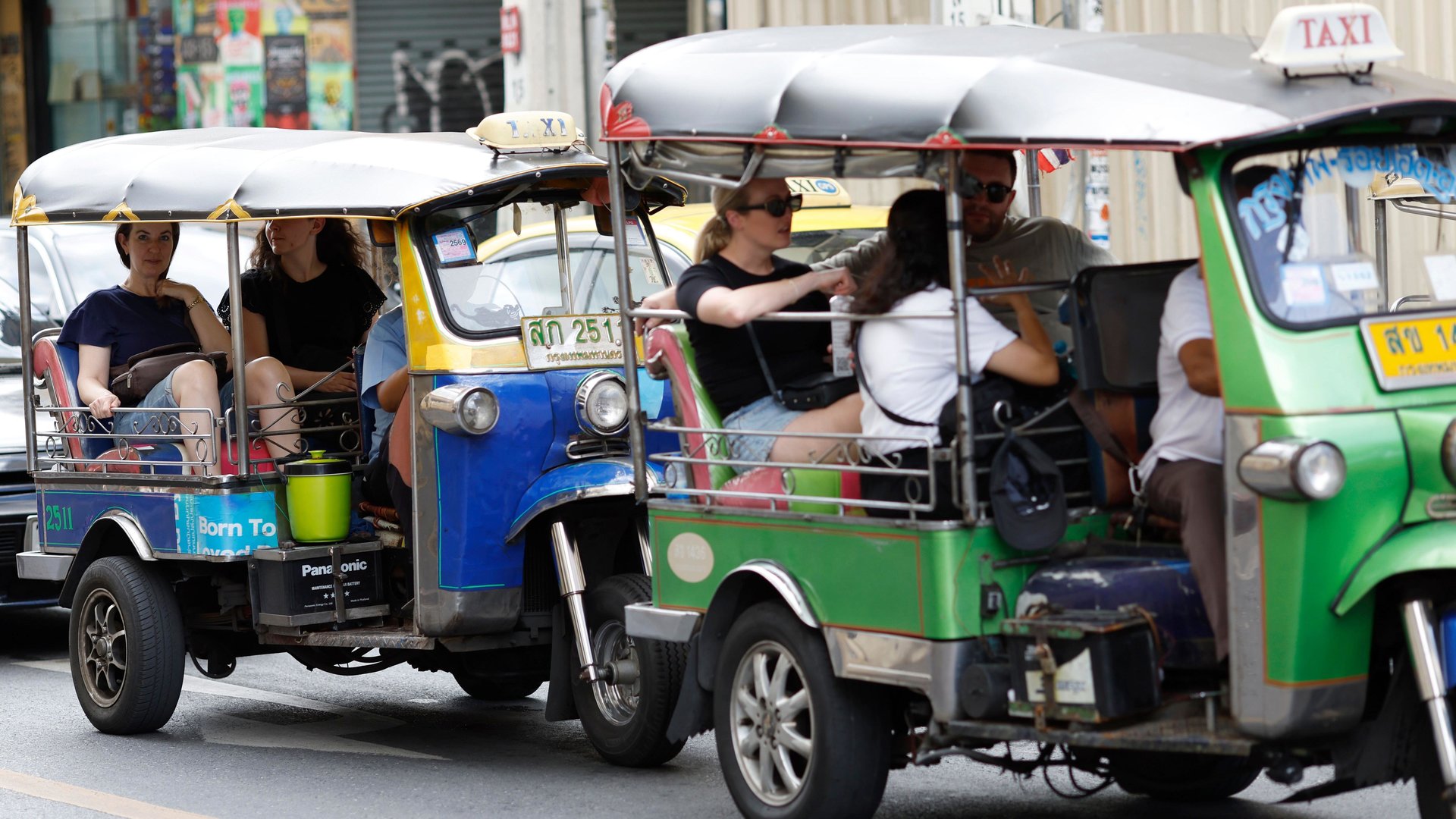
Thailand Shortens Visa-Free Stays for Over 90 Countries in Major Tourism Policy Shift
Bangkok reduces visa-free entry duration for visitors from countries including the United Kingdom, tightening rules amid concerns over abuse of long-stay tourism privileges.
SYSTEM-DRIVEN policy reform in Thailand’s immigration framework is reshaping one of Southeast Asia’s most open tourism regimes, as authorities move to shorten visa-free stay durations for travelers from more than ninety countries, including the United Kingdom.
The change reflects a broader recalibration of Thailand’s entry system, balancing its dependence on tourism with increasing concerns over unauthorized work and long-term informal residency under tourist exemptions.
What is confirmed is that Thailand has reduced the length of visa-free stays permitted under its visa exemption scheme, a program that previously allowed citizens of eligible countries to remain in Thailand for extended periods without applying for a visa in advance.
The policy adjustment affects a wide group of nationalities that have historically benefited from relatively liberal entry rules designed to support tourism flows and short-term business travel.
The key mechanism behind the policy shift is the use of visa exemption arrangements as a controlled entry channel.
These schemes allow passport holders from designated countries to enter Thailand without a visa for a fixed number of days, subject to immigration approval at the border.
Authorities have increasingly monitored the system due to reports of travelers using repeated entries or extended stays to effectively reside or work in the country without appropriate permits.
The United Kingdom is among the countries affected, alongside a broad list of other tourism source markets in Europe, North America, and parts of Asia.
These countries have traditionally been central to Thailand’s tourism economy, particularly in destinations such as Bangkok, Phuket, and Chiang Mai, where long-stay tourism and remote work trends have grown significantly since the pandemic.
The policy change comes at a time when Thailand is seeking to refine its tourism model.
While international arrivals remain a key driver of economic growth, authorities have expressed concern that some visitors are circumventing labor and immigration rules by operating businesses or engaging in paid work while entering under tourist exemptions.
This has prompted tighter enforcement and periodic adjustments to stay durations.
The stakes of the decision are economic as well as regulatory.
Thailand’s tourism sector is a major contributor to national income, supporting hospitality, transportation, and service industries.
Any tightening of entry rules risks reducing the attractiveness of the country for long-stay tourists and digital nomads, a segment that has expanded in recent years.
At the same time, policymakers argue that clearer enforcement of visa rules is necessary to preserve the integrity of the immigration system and prevent misuse.
The adjustment also reflects broader regional trends.
Several Southeast Asian countries have in recent years reviewed visa-free regimes in response to similar concerns, particularly around informal work and overstaying.
Thailand’s move aligns with a pattern of tightening oversight while still maintaining relatively open access compared with more restrictive global entry systems.
Implementation is expected to be handled through immigration checkpoints and updated entry guidance issued to airlines and border officials.
Travelers from affected countries will be subject to the revised maximum stay period upon arrival, with enforcement carried out at the point of entry and during any subsequent extension requests within Thailand.
The immediate consequence is a recalibration of expectations for short-term visitors who previously relied on extended visa-free stays.
The policy is set to influence travel planning, particularly for repeat visitors and long-stay tourists who will now need to adjust itineraries or apply for alternative visa categories to remain in the country for extended periods.
The change reflects a broader recalibration of Thailand’s entry system, balancing its dependence on tourism with increasing concerns over unauthorized work and long-term informal residency under tourist exemptions.
What is confirmed is that Thailand has reduced the length of visa-free stays permitted under its visa exemption scheme, a program that previously allowed citizens of eligible countries to remain in Thailand for extended periods without applying for a visa in advance.
The policy adjustment affects a wide group of nationalities that have historically benefited from relatively liberal entry rules designed to support tourism flows and short-term business travel.
The key mechanism behind the policy shift is the use of visa exemption arrangements as a controlled entry channel.
These schemes allow passport holders from designated countries to enter Thailand without a visa for a fixed number of days, subject to immigration approval at the border.
Authorities have increasingly monitored the system due to reports of travelers using repeated entries or extended stays to effectively reside or work in the country without appropriate permits.
The United Kingdom is among the countries affected, alongside a broad list of other tourism source markets in Europe, North America, and parts of Asia.
These countries have traditionally been central to Thailand’s tourism economy, particularly in destinations such as Bangkok, Phuket, and Chiang Mai, where long-stay tourism and remote work trends have grown significantly since the pandemic.
The policy change comes at a time when Thailand is seeking to refine its tourism model.
While international arrivals remain a key driver of economic growth, authorities have expressed concern that some visitors are circumventing labor and immigration rules by operating businesses or engaging in paid work while entering under tourist exemptions.
This has prompted tighter enforcement and periodic adjustments to stay durations.
The stakes of the decision are economic as well as regulatory.
Thailand’s tourism sector is a major contributor to national income, supporting hospitality, transportation, and service industries.
Any tightening of entry rules risks reducing the attractiveness of the country for long-stay tourists and digital nomads, a segment that has expanded in recent years.
At the same time, policymakers argue that clearer enforcement of visa rules is necessary to preserve the integrity of the immigration system and prevent misuse.
The adjustment also reflects broader regional trends.
Several Southeast Asian countries have in recent years reviewed visa-free regimes in response to similar concerns, particularly around informal work and overstaying.
Thailand’s move aligns with a pattern of tightening oversight while still maintaining relatively open access compared with more restrictive global entry systems.
Implementation is expected to be handled through immigration checkpoints and updated entry guidance issued to airlines and border officials.
Travelers from affected countries will be subject to the revised maximum stay period upon arrival, with enforcement carried out at the point of entry and during any subsequent extension requests within Thailand.
The immediate consequence is a recalibration of expectations for short-term visitors who previously relied on extended visa-free stays.
The policy is set to influence travel planning, particularly for repeat visitors and long-stay tourists who will now need to adjust itineraries or apply for alternative visa categories to remain in the country for extended periods.