Trump Moves on Venezuela’s Oil—but One Major Obstacle Remains
Even with control and American companies invited in, years of decay mean Venezuela’s oil sector cannot quickly influence global markets.
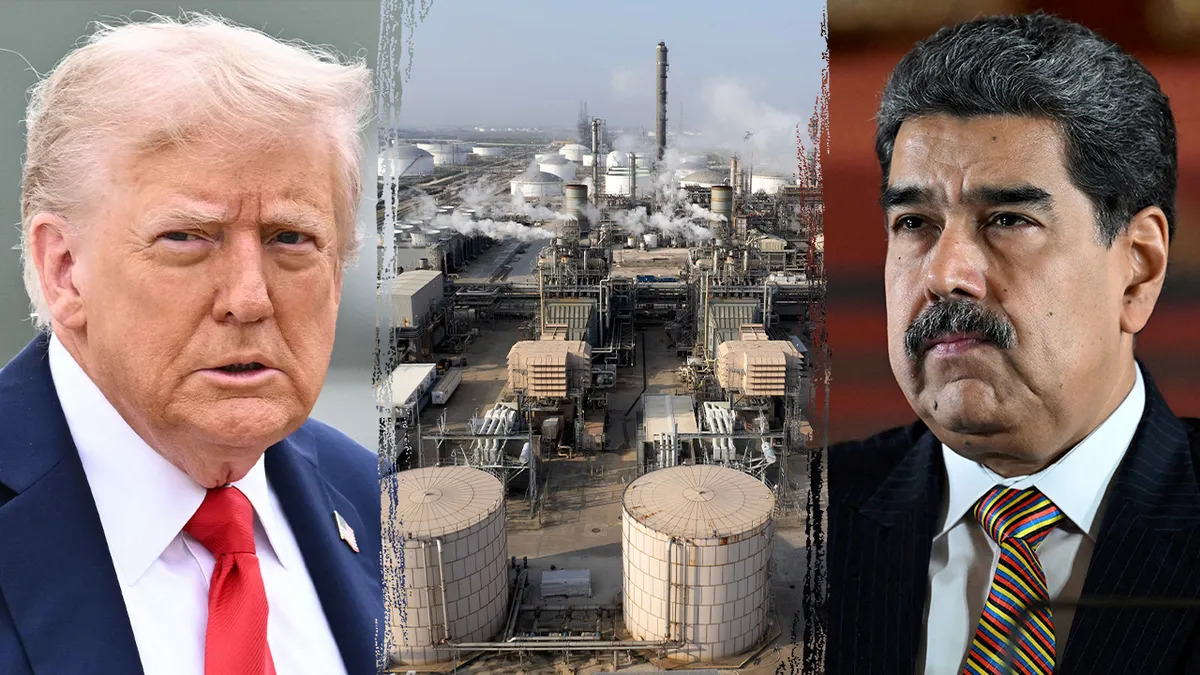
President Donald Trump’s plan to take control of Venezuela’s oil industry and invite American companies to rebuild it, following the capture of Nicolás Maduro over the weekend, is not expected to have an immediate or significant impact on global oil prices.
Venezuela holds some of the largest oil reserves in the world, but its energy industry is in a fragile state after years of neglect, international sanctions, and political instability.
Even if the United States succeeds in reopening the sector, it will take years and massive investment to restore infrastructure and meaningfully increase output.
Some analysts are optimistic and believe Venezuela could double or even triple its current production of about one point one million barrels per day and return to higher export levels within a relatively short period.
However, others stress that the deterioration of infrastructure will slow any recovery.
Venezuela’s oil facilities have been declining for many years, and rebuilding them will take time.
American oil companies are expected to seek signs of political stability before committing large investments.
President Trump has said the United States is now controlling the country, while Venezuela’s acting vice president has claimed—before the Supreme Court instructed her to assume the role of interim president—that Maduro should be returned to power.
If the United States manages to signal that Venezuela’s affairs are under control, American energy companies may agree to enter and rehabilitate the oil industry relatively quickly.
Over the long term, rebuilding the sector could lower oil prices and increase pressure on Russia.
Oil prices declined modestly, in line with expectations.
The market had not anticipated major price changes because Venezuela is a member of the Organization of the Petroleum Exporting Countries and its current output is already factored into global supply.
In addition, the world oil market is currently oversupplied.
International oil companies have strong reasons to be interested in Venezuela.
The country is estimated to hold around three hundred three billion barrels of oil, representing roughly seventeen percent of global reserves.
Chevron is currently the only major company with significant operations in Venezuela, producing about two hundred fifty thousand barrels per day through joint ventures with the state oil company Petróleos de Venezuela.
Despite the vast reserves, Venezuela produces less than one percent of global oil output.
Corruption, mismanagement, and American economic sanctions have driven production down from about three and a half million barrels per day in nineteen ninety-nine to current levels.
The challenge is not finding oil, but creating a political environment in which companies can trust that contracts will be honored.
Past nationalizations under President Hugo Chávez removed major players such as Exxon Mobil and ConocoPhillips.
Experts estimate that increasing production from one million to four million barrels per day would require roughly a decade and around one hundred billion dollars in investment.
The legal picture is complex.
A key question is who legally owns Venezuela’s oil.
An occupying military power cannot profit from extracting another country’s resources, but the Trump administration is likely to argue that the Venezuelan government never lawfully held them.
Venezuela produces heavy crude, which is critical for diesel, asphalt, and heavy machinery fuels.
Diesel is in short global supply due to sanctions on Venezuelan and Russian oil, and lighter American crude cannot easily replace it.
In the past, refineries along the United States Gulf Coast were configured to process heavy crude during periods when domestic production was declining and Venezuelan and Mexican supplies were abundant.
Expanded access to Venezuelan oil would allow these refineries to operate more efficiently and at slightly lower cost.
Increasing Venezuelan production could also help apply pressure on Russia, as Europe and other regions could source more diesel and heavy oil from Venezuela instead of Russia.
Despite the scale of Venezuela’s reserves, rebuilding its oil industry remains a long, capital-intensive process rather than a rapid solution to global energy markets.
Venezuela holds some of the largest oil reserves in the world, but its energy industry is in a fragile state after years of neglect, international sanctions, and political instability.
Even if the United States succeeds in reopening the sector, it will take years and massive investment to restore infrastructure and meaningfully increase output.
Some analysts are optimistic and believe Venezuela could double or even triple its current production of about one point one million barrels per day and return to higher export levels within a relatively short period.
However, others stress that the deterioration of infrastructure will slow any recovery.
Venezuela’s oil facilities have been declining for many years, and rebuilding them will take time.
American oil companies are expected to seek signs of political stability before committing large investments.
President Trump has said the United States is now controlling the country, while Venezuela’s acting vice president has claimed—before the Supreme Court instructed her to assume the role of interim president—that Maduro should be returned to power.
If the United States manages to signal that Venezuela’s affairs are under control, American energy companies may agree to enter and rehabilitate the oil industry relatively quickly.
Over the long term, rebuilding the sector could lower oil prices and increase pressure on Russia.
Oil prices declined modestly, in line with expectations.
The market had not anticipated major price changes because Venezuela is a member of the Organization of the Petroleum Exporting Countries and its current output is already factored into global supply.
In addition, the world oil market is currently oversupplied.
International oil companies have strong reasons to be interested in Venezuela.
The country is estimated to hold around three hundred three billion barrels of oil, representing roughly seventeen percent of global reserves.
Chevron is currently the only major company with significant operations in Venezuela, producing about two hundred fifty thousand barrels per day through joint ventures with the state oil company Petróleos de Venezuela.
Despite the vast reserves, Venezuela produces less than one percent of global oil output.
Corruption, mismanagement, and American economic sanctions have driven production down from about three and a half million barrels per day in nineteen ninety-nine to current levels.
The challenge is not finding oil, but creating a political environment in which companies can trust that contracts will be honored.
Past nationalizations under President Hugo Chávez removed major players such as Exxon Mobil and ConocoPhillips.
Experts estimate that increasing production from one million to four million barrels per day would require roughly a decade and around one hundred billion dollars in investment.
The legal picture is complex.
A key question is who legally owns Venezuela’s oil.
An occupying military power cannot profit from extracting another country’s resources, but the Trump administration is likely to argue that the Venezuelan government never lawfully held them.
Venezuela produces heavy crude, which is critical for diesel, asphalt, and heavy machinery fuels.
Diesel is in short global supply due to sanctions on Venezuelan and Russian oil, and lighter American crude cannot easily replace it.
In the past, refineries along the United States Gulf Coast were configured to process heavy crude during periods when domestic production was declining and Venezuelan and Mexican supplies were abundant.
Expanded access to Venezuelan oil would allow these refineries to operate more efficiently and at slightly lower cost.
Increasing Venezuelan production could also help apply pressure on Russia, as Europe and other regions could source more diesel and heavy oil from Venezuela instead of Russia.
Despite the scale of Venezuela’s reserves, rebuilding its oil industry remains a long, capital-intensive process rather than a rapid solution to global energy markets.