
UK Government Faces Intensifying Crisis as Pro-Palestine Hunger Strikers Near Death in Prison
Multiple detainees on prolonged hunger strike risk imminent death amid health deterioration and stalled legal and political response
Several pro-Palestine activists detained in British prisons and linked to the direct-action group Palestine Action are facing an acute risk of death after prolonged hunger strikes that have entered their second and third months, raising alarm among supporters, health professionals and politicians.
The hunger strike, which began in early November 2025, involves prisoners on remand awaiting trial for alleged involvement in protests and raids targeting sites associated with an Israeli defence manufacturer and a Royal Air Force base, actions they deny.
Their extended refusal of food has led to severe health deterioration and an escalated crisis within the UK penal system.
Among the most critically affected is 31-year-old Heba Muraisi, who has now gone more than seventy days without food and is reported to be extremely frail, struggling to sit, suffering chest pains and involuntary muscle spasms that could signal cardiac collapse or neurological damage.
Muraisi herself has acknowledged to close contacts that she “no longer feels hunger” and sees her death as possible in the near future, describing her physical condition as rapidly deteriorating.
Fellow strikers, including Kamran Ahmed and Lewie Chiaramello, have also reached dangerous stages of starvation, with Ahmed’s heart muscle reportedly shrinking and Chiaramello’s intermittent hunger protest raising additional metabolic risks.
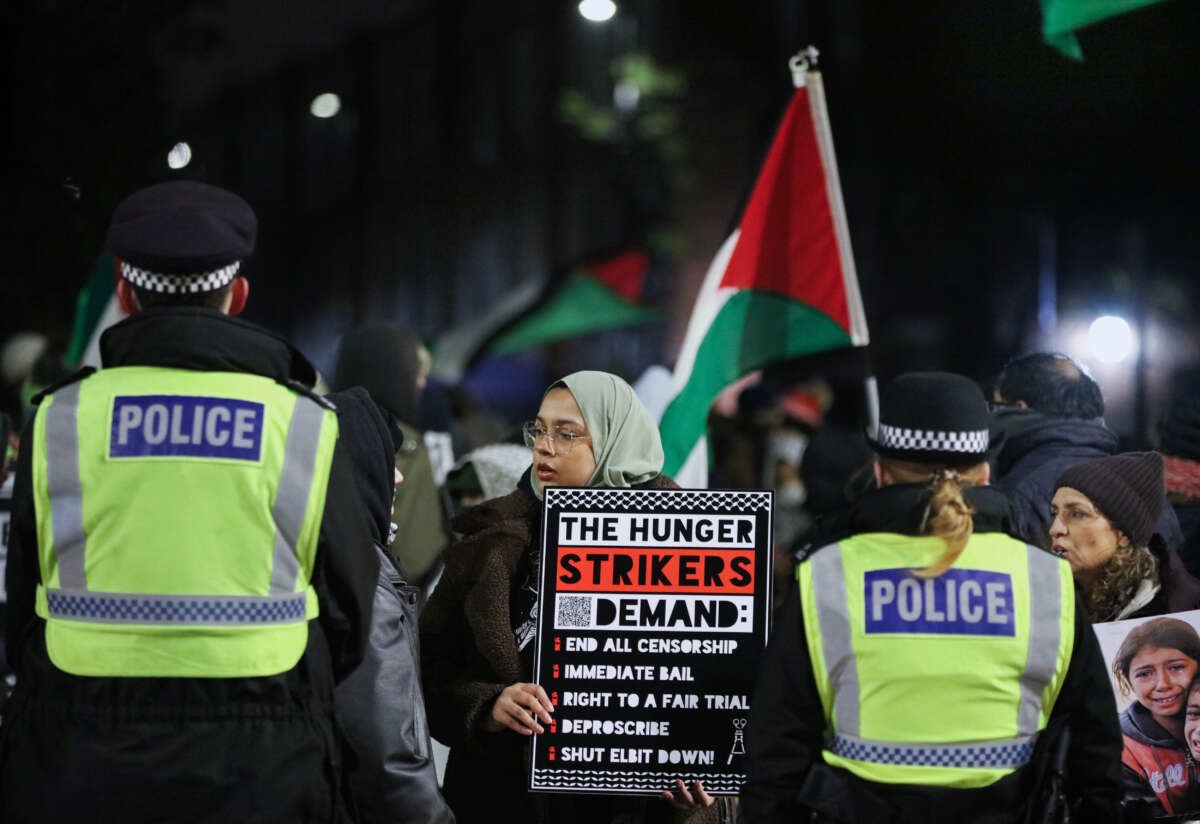
The demands of the hunger strikers include immediate bail, fair trial rights, lifting restrictions on communication and the reversal of Palestine Action’s proscription as a banned organisation.
Supporters say these conditions relate both to perceived injustices in extended pre-trial detention — some have been held for more than a year, significantly beyond typical limits — and to broader political objections to the group’s criminalisation.
Some activists have been hospitalised during their strikes, and health professionals have called for specialist medical intervention, warning that without continuous monitoring and supportive care in a hospital setting the risk of sudden death is high.
The crisis has drawn public attention, including vigils and protests by politicians and community campaigners urging government action.
Labour MP Zarah Sultana held a vigil demanding better treatment and hospitalisation for strikers in perilous condition, describing their situation as “critically ill” and urgently requiring care beyond the prison environment.
At the same time, more than eight hundred health professionals have written to senior officials urging urgent specialist involvement, with some commentators and legal experts emphasising that the state retains responsibility for the well-being of prisoners even as judicial remand decisions rest with independent courts.
The government, while acknowledging that prison and healthcare staff are managing cases according to policy, has so far declined to meet with the strikers or their representatives and has emphasised the legal nature of the proceedings against them.
Critics argue that without intervention the hunger strikers may soon reach fatal thresholds, a situation intensified by the protracted delays in trial scheduling and the lack of negotiated compromise.
As the standoff deepens, the lives of several detainees hang in the balance and public debate continues over the adequacy of the state’s response to this high-stakes protest and humanitarian crisis.
The hunger strike, which began in early November 2025, involves prisoners on remand awaiting trial for alleged involvement in protests and raids targeting sites associated with an Israeli defence manufacturer and a Royal Air Force base, actions they deny.
Their extended refusal of food has led to severe health deterioration and an escalated crisis within the UK penal system.
Among the most critically affected is 31-year-old Heba Muraisi, who has now gone more than seventy days without food and is reported to be extremely frail, struggling to sit, suffering chest pains and involuntary muscle spasms that could signal cardiac collapse or neurological damage.
Muraisi herself has acknowledged to close contacts that she “no longer feels hunger” and sees her death as possible in the near future, describing her physical condition as rapidly deteriorating.
Fellow strikers, including Kamran Ahmed and Lewie Chiaramello, have also reached dangerous stages of starvation, with Ahmed’s heart muscle reportedly shrinking and Chiaramello’s intermittent hunger protest raising additional metabolic risks.
The demands of the hunger strikers include immediate bail, fair trial rights, lifting restrictions on communication and the reversal of Palestine Action’s proscription as a banned organisation.
Supporters say these conditions relate both to perceived injustices in extended pre-trial detention — some have been held for more than a year, significantly beyond typical limits — and to broader political objections to the group’s criminalisation.
Some activists have been hospitalised during their strikes, and health professionals have called for specialist medical intervention, warning that without continuous monitoring and supportive care in a hospital setting the risk of sudden death is high.
The crisis has drawn public attention, including vigils and protests by politicians and community campaigners urging government action.
Labour MP Zarah Sultana held a vigil demanding better treatment and hospitalisation for strikers in perilous condition, describing their situation as “critically ill” and urgently requiring care beyond the prison environment.
At the same time, more than eight hundred health professionals have written to senior officials urging urgent specialist involvement, with some commentators and legal experts emphasising that the state retains responsibility for the well-being of prisoners even as judicial remand decisions rest with independent courts.
The government, while acknowledging that prison and healthcare staff are managing cases according to policy, has so far declined to meet with the strikers or their representatives and has emphasised the legal nature of the proceedings against them.
Critics argue that without intervention the hunger strikers may soon reach fatal thresholds, a situation intensified by the protracted delays in trial scheduling and the lack of negotiated compromise.
As the standoff deepens, the lives of several detainees hang in the balance and public debate continues over the adequacy of the state’s response to this high-stakes protest and humanitarian crisis.