UK Jet Fuel Strategy Ties to Nigerian Refinery Dispute Amid Union Crackdown Allegations
A refinery central to UK fuel supply planning is facing accusations of dismissing unionised workers, raising questions about supply security, labour practices, and the resilience of international energy partnerships
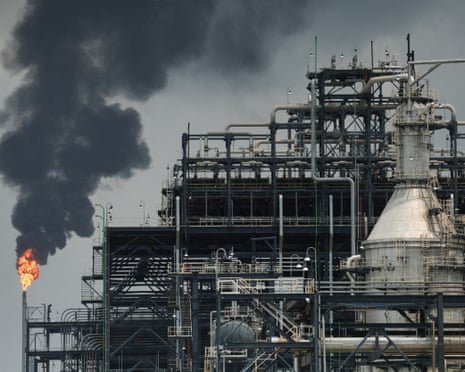
The global aviation fuel supply system linking West Africa to Europe is under renewed scrutiny as allegations emerge that a major Nigerian refinery involved in supplying jet fuel to international markets has dismissed union members amid labour disputes, even as it plays a role in UK efforts to stabilise aviation fuel availability.
The refinery at the centre of the controversy is part of a broader shift in global fuel logistics, where the UK and other European countries are increasingly reliant on diversified import routes to reduce exposure to traditional supply chokepoints.
Nigeria, as one of Africa’s largest oil producers, has been positioned as a strategic partner in this diversification effort, particularly as European refiners adjust to changing global trade flows and post-pandemic aviation demand recovery.
What is confirmed is that the facility has been linked to UK fuel supply planning discussions aimed at mitigating potential jet fuel shortages in periods of high demand or constrained European refining capacity.
Aviation fuel, unlike crude oil, requires specific refining standards and logistics integration with airport supply systems, making stable international partnerships critical for supply continuity.
However, the refinery is now facing allegations of terminating employment for workers affiliated with trade unions, raising concerns about labour rights compliance and operational stability.
Union representatives and labour advocates argue that the dismissals are connected to industrial disputes over working conditions, wages, and recognition of collective bargaining structures.
The refinery management has not publicly established an independently verified account confirming the full scope of the allegations, and the situation remains contested.
The key issue is the tension between energy security strategy and supply chain governance.
Governments seeking to secure fuel supplies often depend on private operators in politically and economically complex jurisdictions, where labour relations, regulatory enforcement, and industrial disputes can directly affect output stability.
In this case, the refinery’s role in supporting aviation fuel resilience strategies places additional pressure on both operational continuity and reputational standards.
For the United Kingdom, jet fuel supply security is a strategic concern tied to aviation recovery, airport capacity utilisation, and broader economic activity.
Disruptions in supply can have immediate downstream effects on flight schedules, airline costs, and consumer pricing.
As a result, policymakers have increasingly prioritised diversified sourcing, including partnerships outside traditional European refining hubs.
The allegations also highlight a broader structural issue in global energy transition planning: while supply chains are becoming more geographically diversified, governance frameworks for labour rights, environmental standards, and dispute resolution remain uneven across jurisdictions.
This creates exposure for importing countries that rely on externally regulated production systems.
Industry observers note that the refinery’s ability to maintain stable output is central not only to domestic Nigerian energy objectives but also to international contracts and supply commitments.
Any sustained labour disruption could affect throughput, potentially undermining its reliability as a partner in external fuel supply arrangements.
At present, the situation sits at the intersection of industrial relations, energy logistics, and geopolitical supply planning.
The refinery continues to operate within the global fuel market, while scrutiny over labour practices adds pressure on both corporate governance and international buyers dependent on its output for aviation fuel stability.
The refinery at the centre of the controversy is part of a broader shift in global fuel logistics, where the UK and other European countries are increasingly reliant on diversified import routes to reduce exposure to traditional supply chokepoints.
Nigeria, as one of Africa’s largest oil producers, has been positioned as a strategic partner in this diversification effort, particularly as European refiners adjust to changing global trade flows and post-pandemic aviation demand recovery.
What is confirmed is that the facility has been linked to UK fuel supply planning discussions aimed at mitigating potential jet fuel shortages in periods of high demand or constrained European refining capacity.
Aviation fuel, unlike crude oil, requires specific refining standards and logistics integration with airport supply systems, making stable international partnerships critical for supply continuity.
However, the refinery is now facing allegations of terminating employment for workers affiliated with trade unions, raising concerns about labour rights compliance and operational stability.
Union representatives and labour advocates argue that the dismissals are connected to industrial disputes over working conditions, wages, and recognition of collective bargaining structures.
The refinery management has not publicly established an independently verified account confirming the full scope of the allegations, and the situation remains contested.
The key issue is the tension between energy security strategy and supply chain governance.
Governments seeking to secure fuel supplies often depend on private operators in politically and economically complex jurisdictions, where labour relations, regulatory enforcement, and industrial disputes can directly affect output stability.
In this case, the refinery’s role in supporting aviation fuel resilience strategies places additional pressure on both operational continuity and reputational standards.
For the United Kingdom, jet fuel supply security is a strategic concern tied to aviation recovery, airport capacity utilisation, and broader economic activity.
Disruptions in supply can have immediate downstream effects on flight schedules, airline costs, and consumer pricing.
As a result, policymakers have increasingly prioritised diversified sourcing, including partnerships outside traditional European refining hubs.
The allegations also highlight a broader structural issue in global energy transition planning: while supply chains are becoming more geographically diversified, governance frameworks for labour rights, environmental standards, and dispute resolution remain uneven across jurisdictions.
This creates exposure for importing countries that rely on externally regulated production systems.
Industry observers note that the refinery’s ability to maintain stable output is central not only to domestic Nigerian energy objectives but also to international contracts and supply commitments.
Any sustained labour disruption could affect throughput, potentially undermining its reliability as a partner in external fuel supply arrangements.
At present, the situation sits at the intersection of industrial relations, energy logistics, and geopolitical supply planning.
The refinery continues to operate within the global fuel market, while scrutiny over labour practices adds pressure on both corporate governance and international buyers dependent on its output for aviation fuel stability.