

UK Lawmaker Resigns Seat, Opening Path for Potential Burnham Leadership Challenge
The resignation triggers a by-election and reshapes internal Labour Party dynamics as pressure grows over the party’s future direction and leadership stability.
The resignation of a United Kingdom lawmaker has triggered a parliamentary vacancy that could reshape internal political dynamics within the governing Labour Party, including the potential emergence of a leadership challenge linked to Greater Manchester mayor Andy Burnham.
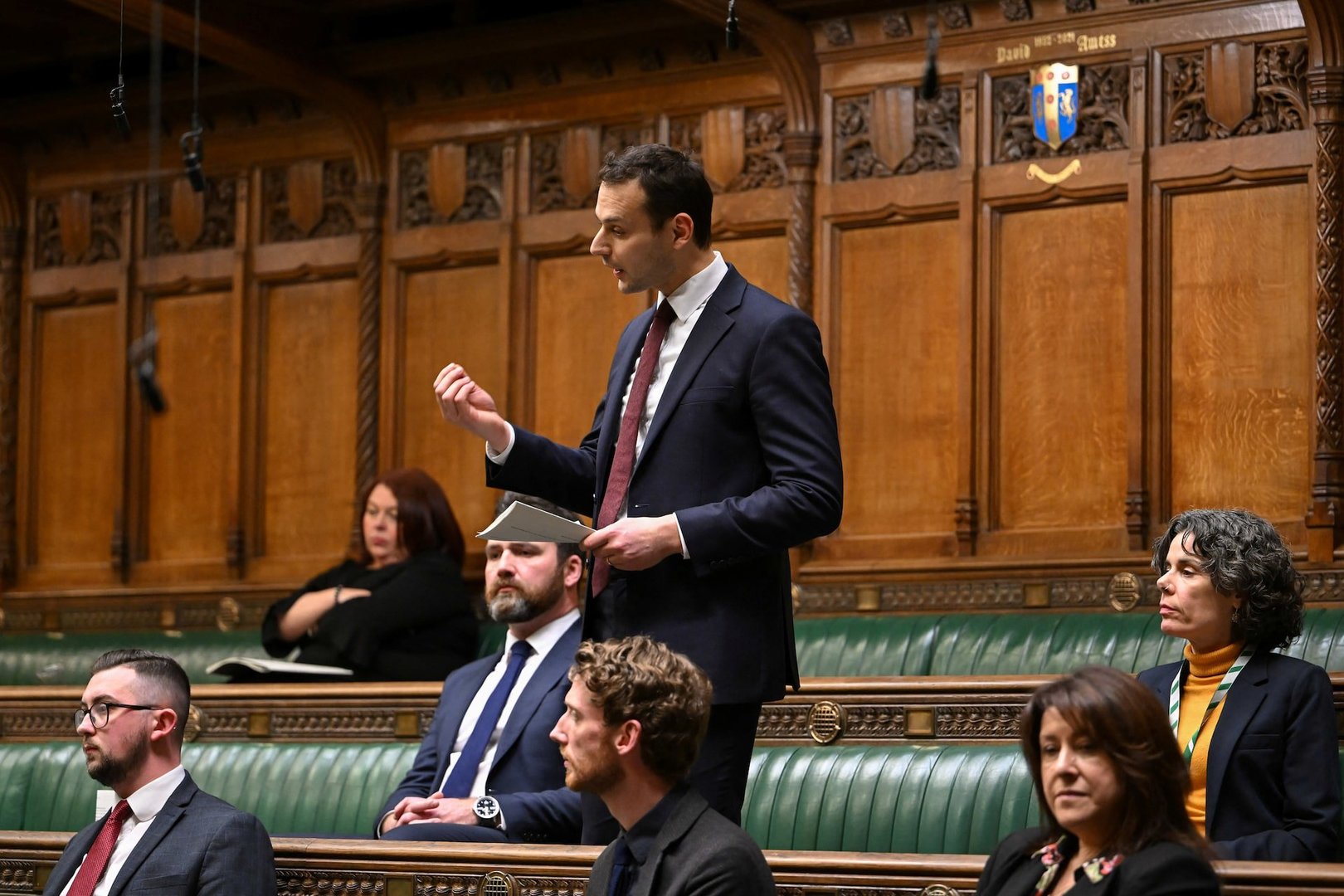
What is confirmed is that a sitting member of Parliament has stepped down from their seat, creating the requirement for a by-election under UK parliamentary rules.
In the Westminster system, MPs represent individual constituencies in the House of Commons, and any resignation immediately triggers a contest to fill the vacant seat through a local vote.
The key issue is the political consequence of timing.
The resignation does not occur in isolation but feeds into a wider period of internal debate within Labour over policy direction, party unity, and leadership authority under Prime Minister Keir Starmer.
By-elections in the UK are often treated as political signals, with outcomes interpreted as indicators of public sentiment toward the governing party.
The development also intersects with speculation around Andy Burnham, the elected mayor of Greater Manchester and a senior Labour figure who has previously held cabinet positions.
Burnham has maintained a high public profile on issues such as housing, transport, and regional devolution, and has often been viewed as a potential alternative centre of influence within the party.
Any shift in parliamentary arithmetic or internal party positioning can revive discussion about future leadership contests, even when no formal challenge has been declared.
A by-election resulting from the resignation will test Labour’s electoral strength in the constituency and provide a measure of public support for the government’s early-term performance.
These contests often carry amplified political weight compared to general elections because they are fought in isolation and become symbolic battlegrounds for national issues including cost of living pressures, public services, and economic management.
Inside Westminster, the resignation also affects parliamentary calculations.
The government’s working majority depends on maintaining disciplined attendance and cohesion among its MPs.
Even a single seat change can influence legislative negotiations, particularly on closely contested votes or contentious policy measures.
For opposition parties, the vacancy presents an opportunity to challenge Labour in a focused campaign environment.
By-elections frequently attract intensified campaigning resources and national media attention, allowing opposition leaders to frame broader criticisms of government performance through a single constituency race.
The reference to Andy Burnham reflects ongoing speculation about leadership alternatives within Labour rather than any confirmed contest.
Burnham’s position outside Westminster, combined with his executive role in regional government, gives him a separate political base, but any transition to national leadership would depend on complex procedural and political conditions within the party.
The immediate consequence of the resignation is procedural: a by-election must now be organised in accordance with UK electoral law.
The broader consequence is political uncertainty within Labour as internal debates about leadership direction, policy priorities, and electoral strategy are brought into sharper focus by the vacancy.
What is confirmed is that a sitting member of Parliament has stepped down from their seat, creating the requirement for a by-election under UK parliamentary rules.
In the Westminster system, MPs represent individual constituencies in the House of Commons, and any resignation immediately triggers a contest to fill the vacant seat through a local vote.
The key issue is the political consequence of timing.
The resignation does not occur in isolation but feeds into a wider period of internal debate within Labour over policy direction, party unity, and leadership authority under Prime Minister Keir Starmer.
By-elections in the UK are often treated as political signals, with outcomes interpreted as indicators of public sentiment toward the governing party.
The development also intersects with speculation around Andy Burnham, the elected mayor of Greater Manchester and a senior Labour figure who has previously held cabinet positions.
Burnham has maintained a high public profile on issues such as housing, transport, and regional devolution, and has often been viewed as a potential alternative centre of influence within the party.
Any shift in parliamentary arithmetic or internal party positioning can revive discussion about future leadership contests, even when no formal challenge has been declared.
A by-election resulting from the resignation will test Labour’s electoral strength in the constituency and provide a measure of public support for the government’s early-term performance.
These contests often carry amplified political weight compared to general elections because they are fought in isolation and become symbolic battlegrounds for national issues including cost of living pressures, public services, and economic management.
Inside Westminster, the resignation also affects parliamentary calculations.
The government’s working majority depends on maintaining disciplined attendance and cohesion among its MPs.
Even a single seat change can influence legislative negotiations, particularly on closely contested votes or contentious policy measures.
For opposition parties, the vacancy presents an opportunity to challenge Labour in a focused campaign environment.
By-elections frequently attract intensified campaigning resources and national media attention, allowing opposition leaders to frame broader criticisms of government performance through a single constituency race.
The reference to Andy Burnham reflects ongoing speculation about leadership alternatives within Labour rather than any confirmed contest.
Burnham’s position outside Westminster, combined with his executive role in regional government, gives him a separate political base, but any transition to national leadership would depend on complex procedural and political conditions within the party.
The immediate consequence of the resignation is procedural: a by-election must now be organised in accordance with UK electoral law.
The broader consequence is political uncertainty within Labour as internal debates about leadership direction, policy priorities, and electoral strategy are brought into sharper focus by the vacancy.