UK moves warship toward Hormuz mission as naval coalition takes shape in volatile shipping corridor
HMS Dragon’s redeployment signals growing Western preparation for a multinational effort to secure the Strait of Hormuz, a critical global oil route amid heightened regional conflict
The deployment of British naval forces toward the Middle East reflects a structured effort by Western governments to prepare for a potential multinational security operation in the Strait of Hormuz, one of the world’s most strategically sensitive maritime chokepoints.
The United Kingdom’s decision to reposition a Royal Navy destroyer from the eastern Mediterranean is part of a broader planning phase aimed at ensuring the continued flow of commercial shipping through a region disrupted by conflict involving Iran and Western-aligned forces.
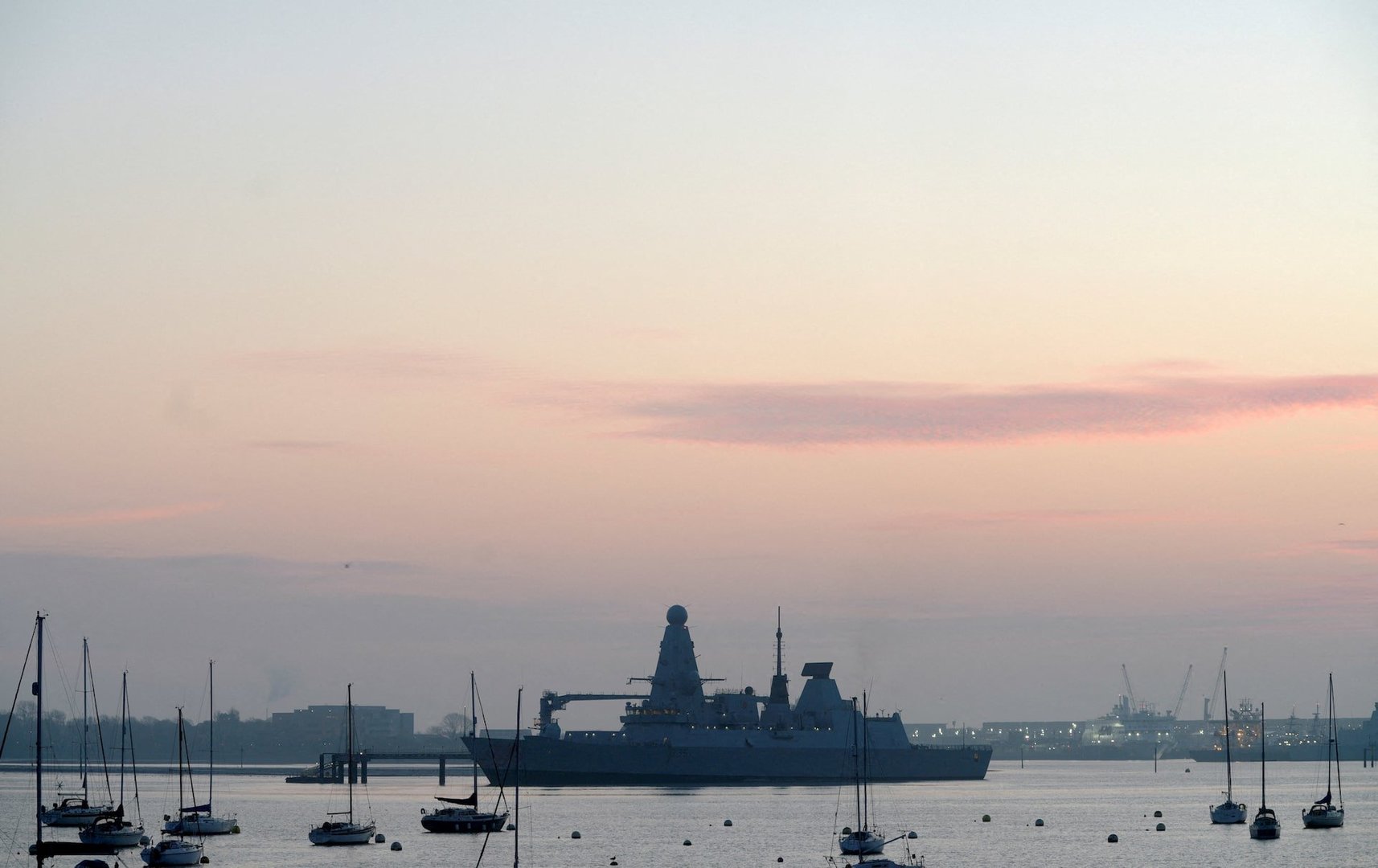
The vessel at the center of the deployment is HMS Dragon, a Type 45 destroyer designed primarily for advanced air defense and maritime protection.
What is confirmed is that the ship has been operating in the eastern Mediterranean and is now being repositioned toward the wider Middle East theater.
Defence officials describe this move as pre-positioning rather than immediate engagement, indicating that the ship is being placed closer to a potential operational zone rather than being assigned to active combat duties.
The strategic focus of the planned mission is the Strait of Hormuz, a narrow waterway linking the Persian Gulf with the Arabian Sea and carrying a significant share of global seaborne oil trade.
The corridor has repeatedly become a flashpoint during periods of heightened Iran–West tension, with commercial shipping exposed to risks ranging from drone attacks to maritime disruption.
Securing the passage is viewed by Western planners as essential not only for energy markets but also for global supply chain stability.
The current initiative is not a unilateral British operation.
It is part of a developing multinational framework involving European allies, with France playing a leading parallel role in naval planning.
Defence planning discussions over recent weeks have centered on creating a coordinated maritime presence that could include escort missions, mine countermeasures, and air-defense support for commercial vessels transiting the strait.
What is confirmed is that British defence officials frame the deployment as precautionary and defensive in nature.
The emphasis is on protecting navigation rather than conducting offensive operations.
However, the structure of the proposed mission depends on political conditions in the region, including the durability of any ceasefire arrangements between Iran and opposing military coalitions.
The operational concept remains contingent on diplomatic and security developments.
The broader context is a gradual shift in Western military posture in the Gulf.
Recent months have seen increased naval and air deployments intended to deter attacks on commercial shipping and to prepare for rapid escalation scenarios.
The Royal Navy’s limited fleet capacity has also shaped the approach, with planners prioritizing flexible positioning of high-end assets rather than permanent large-scale deployments.
The implications of the current movement are significant for global trade routes.
Even the anticipation of a coordinated escort or security mission signals to shipping companies and insurers that governments are preparing to actively intervene in protecting maritime traffic.
This, in turn, affects freight costs, risk pricing, and the willingness of commercial operators to route vessels through the region.
As HMS Dragon moves toward the Middle East, the developing framework points to a shift from ad hoc naval responses toward a more formalized multinational maritime security architecture in the Strait of Hormuz, designed to keep one of the world’s most critical energy corridors operational under sustained geopolitical pressure.
The United Kingdom’s decision to reposition a Royal Navy destroyer from the eastern Mediterranean is part of a broader planning phase aimed at ensuring the continued flow of commercial shipping through a region disrupted by conflict involving Iran and Western-aligned forces.
The vessel at the center of the deployment is HMS Dragon, a Type 45 destroyer designed primarily for advanced air defense and maritime protection.
What is confirmed is that the ship has been operating in the eastern Mediterranean and is now being repositioned toward the wider Middle East theater.
Defence officials describe this move as pre-positioning rather than immediate engagement, indicating that the ship is being placed closer to a potential operational zone rather than being assigned to active combat duties.
The strategic focus of the planned mission is the Strait of Hormuz, a narrow waterway linking the Persian Gulf with the Arabian Sea and carrying a significant share of global seaborne oil trade.
The corridor has repeatedly become a flashpoint during periods of heightened Iran–West tension, with commercial shipping exposed to risks ranging from drone attacks to maritime disruption.
Securing the passage is viewed by Western planners as essential not only for energy markets but also for global supply chain stability.
The current initiative is not a unilateral British operation.
It is part of a developing multinational framework involving European allies, with France playing a leading parallel role in naval planning.
Defence planning discussions over recent weeks have centered on creating a coordinated maritime presence that could include escort missions, mine countermeasures, and air-defense support for commercial vessels transiting the strait.
What is confirmed is that British defence officials frame the deployment as precautionary and defensive in nature.
The emphasis is on protecting navigation rather than conducting offensive operations.
However, the structure of the proposed mission depends on political conditions in the region, including the durability of any ceasefire arrangements between Iran and opposing military coalitions.
The operational concept remains contingent on diplomatic and security developments.
The broader context is a gradual shift in Western military posture in the Gulf.
Recent months have seen increased naval and air deployments intended to deter attacks on commercial shipping and to prepare for rapid escalation scenarios.
The Royal Navy’s limited fleet capacity has also shaped the approach, with planners prioritizing flexible positioning of high-end assets rather than permanent large-scale deployments.
The implications of the current movement are significant for global trade routes.
Even the anticipation of a coordinated escort or security mission signals to shipping companies and insurers that governments are preparing to actively intervene in protecting maritime traffic.
This, in turn, affects freight costs, risk pricing, and the willingness of commercial operators to route vessels through the region.
As HMS Dragon moves toward the Middle East, the developing framework points to a shift from ad hoc naval responses toward a more formalized multinational maritime security architecture in the Strait of Hormuz, designed to keep one of the world’s most critical energy corridors operational under sustained geopolitical pressure.