UK Reveals Structure of New Military ‘Gap Year’ Scheme for Under-25s to Boost Defence Recruitment
Details of the two-year voluntary programme outline training, branch structures and objectives as London seeks to widen access to military experience
The United Kingdom has released fresh details of its planned military “gap year” scheme aimed at offering under-25s paid placements within the armed forces as part of a broad recruitment and defence engagement strategy.
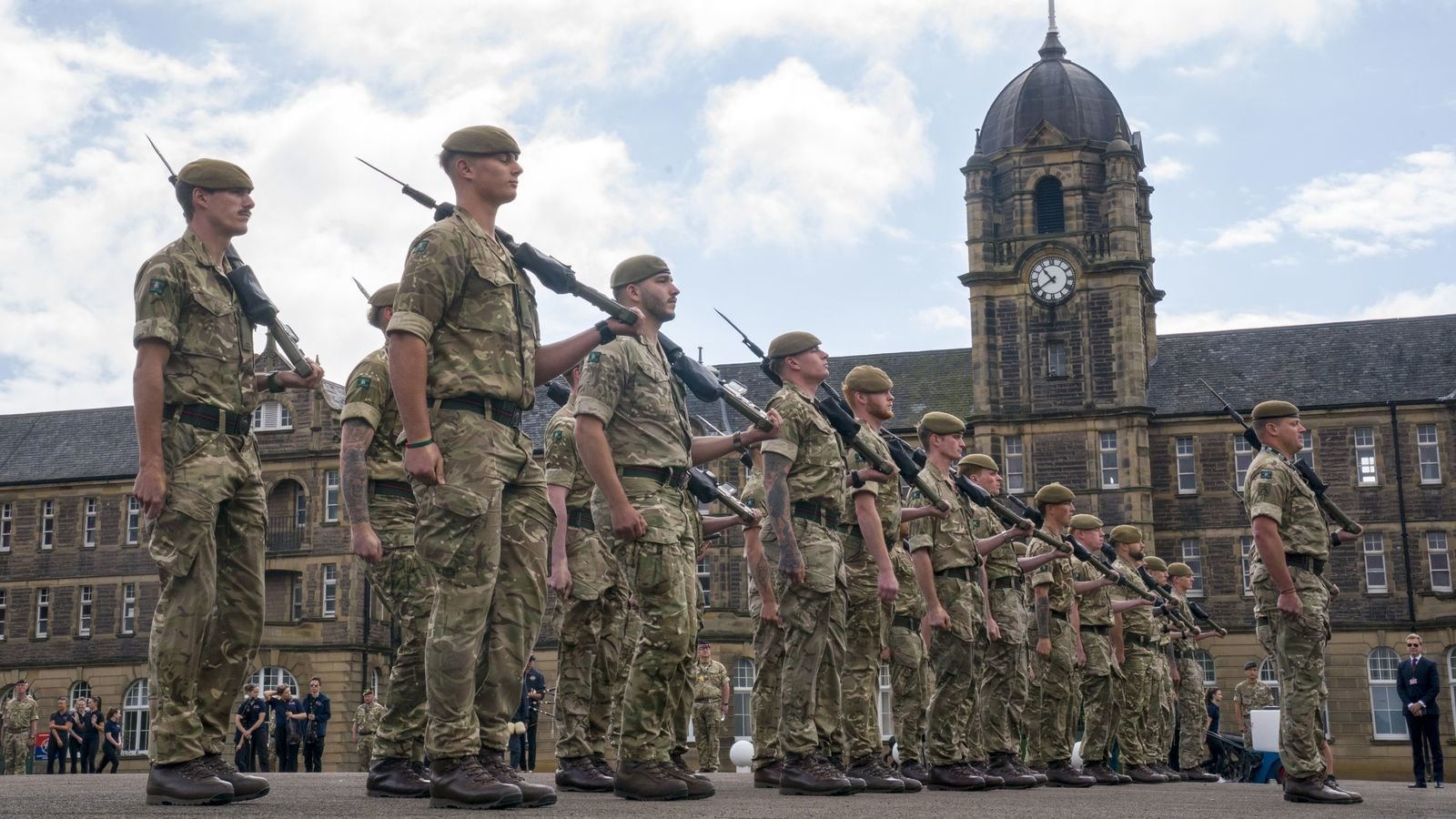
The initiative, set to launch in March 2026, will initially recruit about one hundred and fifty young people into structured placements across the British Army, Royal Navy and Royal Air Force without requiring long-term service commitments.
The scheme is designed to provide participants with practical training, transferable skills and exposure to military life while contributing to the government’s efforts to strengthen recruitment and civil-military ties.
Under current plans, the Army’s programme will integrate thirteen weeks of basic training within a broader two-year placement that blends military instruction with opportunities to develop leadership, teamwork and problem-solving skills.
The Royal Navy’s segment will offer a one-year placement emphasising general naval training and seafaring experience, while the RAF’s component is still under development as officials refine its curriculum and objectives.
Unlike conventional military enlistment, participants in the gap-year scheme will not be eligible for deployment to active operations, and the absence of a mandatory long-term contract means young people can pursue civilian careers or further education after completing the programme.
Defence Secretary John Healey has characterised the programme as part of a “whole of society” approach to defence that seeks to reconnect the public with the armed forces and broaden opportunities for engagement.
The model draws clear inspiration from similar programmes in Australia, where military gap years have attracted diverse cohorts of young adults and have served as a pathway to permanent roles within the defence force.
British officials hope that a domestic version can foster interest in defence careers, enhance skills among school leavers, and help address persistent recruitment shortfalls highlighted in the Strategic Defence Review.
Regular evaluations will assess the scheme’s impact on overall recruitment, demographic reach and participants’ future career trajectories.
Parliamentary responses to questions indicate that the gap-year scheme will complement existing entry routes into the armed forces and is intended to appeal to a wide range of school and college leavers.
Training and experience under the programme aim to promote resilience, values and competencies that are beneficial both within and outside the military context.
As details continue to be refined ahead of the programme’s launch, stakeholders emphasise its potential to offer young people life experiences and skills that can enhance their employability, while strengthening ties between Britain’s youth and its defence institutions.
The initiative, set to launch in March 2026, will initially recruit about one hundred and fifty young people into structured placements across the British Army, Royal Navy and Royal Air Force without requiring long-term service commitments.
The scheme is designed to provide participants with practical training, transferable skills and exposure to military life while contributing to the government’s efforts to strengthen recruitment and civil-military ties.
Under current plans, the Army’s programme will integrate thirteen weeks of basic training within a broader two-year placement that blends military instruction with opportunities to develop leadership, teamwork and problem-solving skills.
The Royal Navy’s segment will offer a one-year placement emphasising general naval training and seafaring experience, while the RAF’s component is still under development as officials refine its curriculum and objectives.
Unlike conventional military enlistment, participants in the gap-year scheme will not be eligible for deployment to active operations, and the absence of a mandatory long-term contract means young people can pursue civilian careers or further education after completing the programme.
Defence Secretary John Healey has characterised the programme as part of a “whole of society” approach to defence that seeks to reconnect the public with the armed forces and broaden opportunities for engagement.
The model draws clear inspiration from similar programmes in Australia, where military gap years have attracted diverse cohorts of young adults and have served as a pathway to permanent roles within the defence force.
British officials hope that a domestic version can foster interest in defence careers, enhance skills among school leavers, and help address persistent recruitment shortfalls highlighted in the Strategic Defence Review.
Regular evaluations will assess the scheme’s impact on overall recruitment, demographic reach and participants’ future career trajectories.
Parliamentary responses to questions indicate that the gap-year scheme will complement existing entry routes into the armed forces and is intended to appeal to a wide range of school and college leavers.
Training and experience under the programme aim to promote resilience, values and competencies that are beneficial both within and outside the military context.
As details continue to be refined ahead of the programme’s launch, stakeholders emphasise its potential to offer young people life experiences and skills that can enhance their employability, while strengthening ties between Britain’s youth and its defence institutions.