UK Weather Forecast Predicts Colder Conditions and Snow Risk as New Year Begins
Temperatures set to drop below average with wintry hazards and snow possible in parts of Scotland, northern England and Wales
Britain is bracing for a noticeable drop in temperatures and an increased risk of snow as the New Year approaches, according to the latest forecasts and weather models.
After a relatively mild December, cold air moving into the region is expected to bring below-average temperatures through early January, with northern and high-ground areas most at risk of wintry conditions.
The Met Office and independent weather analysis indicate that the UK will experience a colder and drier start to 2026, punctuated by frost, showers and occasional snow flurries.
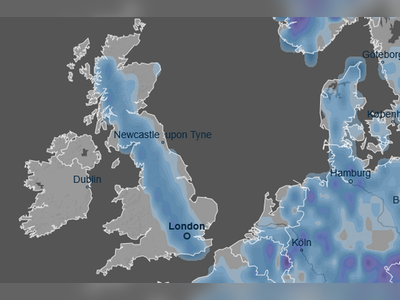
Long-range forecasts show that from late December into the first week of January, parts of Scotland could see significant snow accumulations, particularly in the Highlands and central belt, with models suggesting falls of several centimetres as Arctic air sits over the region.
Snow is also possible in northern England and Wales, and some forecasts extend the risk of flurries into mid-latitudes of the UK if cold air persists and interacts with outgoing low-pressure systems.
These wintry hazards are grounded in an expected pattern of colder than average temperatures and dry spells driven by northern and easterly airflow, which could push overnight lows well below freezing in many areas.
General UK temperature forecasts indicate daytime high temperatures around four to six degrees Celsius early in the New Year, with overnight lows dropping near or below freezing, especially in rural and upland regions.
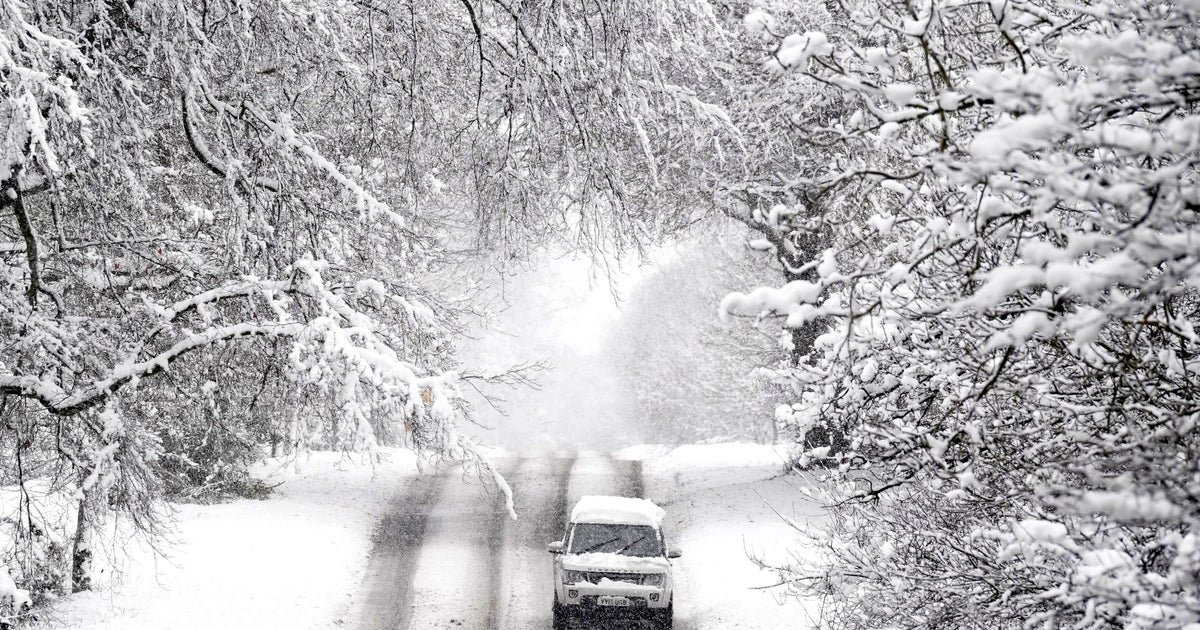
Frost and ice are expected to accompany the cold snap, presenting additional hazards for transport on roads and open surfaces.
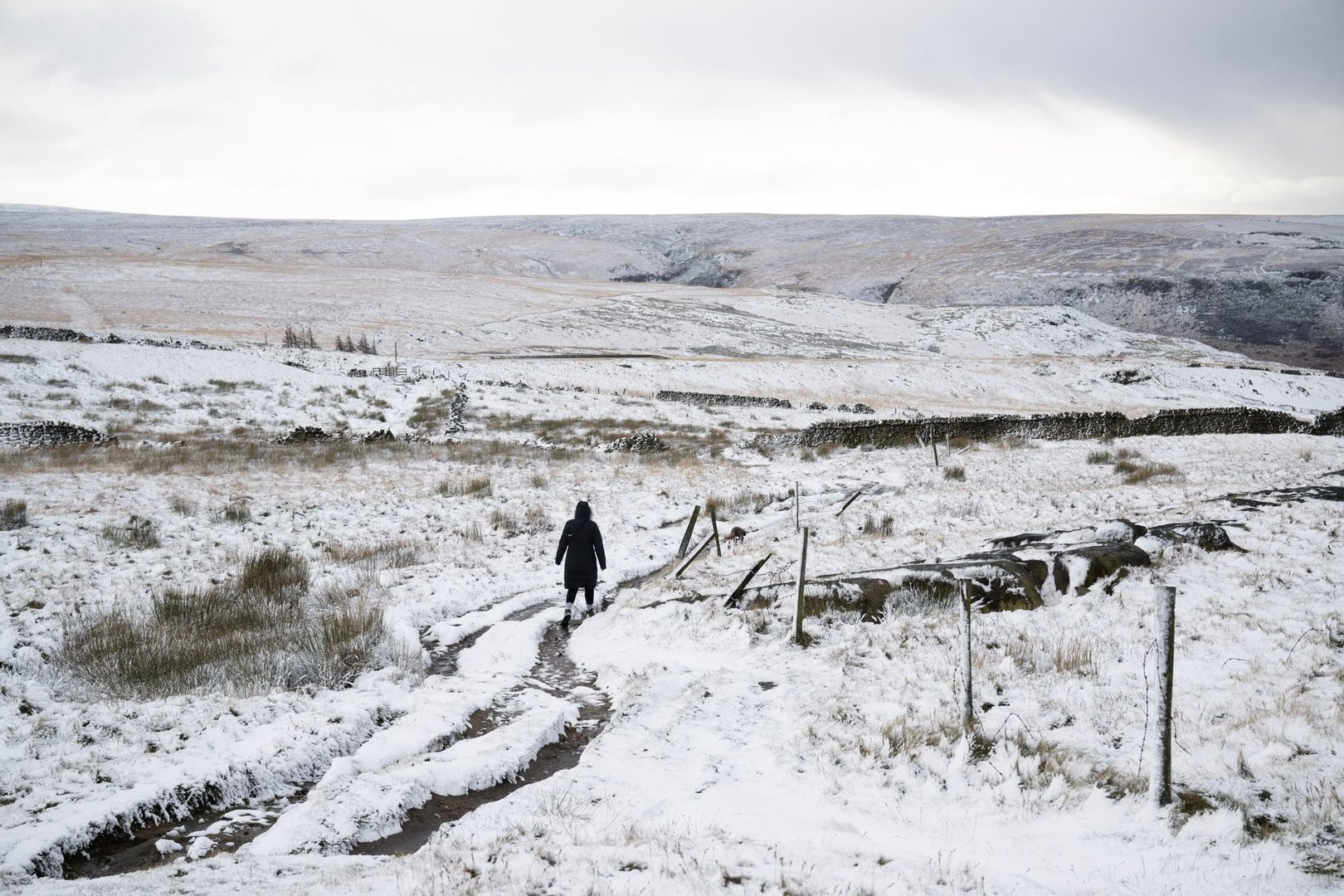
While snow remains more likely in Scotland and northern parts of the UK, the potential exists for lighter snow or sleet flurries to reach parts of central and southern England during transient weather shifts.
Forecasters have highlighted that wintry conditions such as snow and frost are typical across the UK winter season, which runs from December through February, and that recent patterns suggest a colder start to 2026 compared with recent years.
Residents are advised to prepare for lower temperatures and possible wintry precipitation as the year begins, with particular caution recommended for travel in higher latitudes and elevations where snow and ice hazards are most likely to develop.
After a relatively mild December, cold air moving into the region is expected to bring below-average temperatures through early January, with northern and high-ground areas most at risk of wintry conditions.
The Met Office and independent weather analysis indicate that the UK will experience a colder and drier start to 2026, punctuated by frost, showers and occasional snow flurries.
Long-range forecasts show that from late December into the first week of January, parts of Scotland could see significant snow accumulations, particularly in the Highlands and central belt, with models suggesting falls of several centimetres as Arctic air sits over the region.
Snow is also possible in northern England and Wales, and some forecasts extend the risk of flurries into mid-latitudes of the UK if cold air persists and interacts with outgoing low-pressure systems.
These wintry hazards are grounded in an expected pattern of colder than average temperatures and dry spells driven by northern and easterly airflow, which could push overnight lows well below freezing in many areas.
General UK temperature forecasts indicate daytime high temperatures around four to six degrees Celsius early in the New Year, with overnight lows dropping near or below freezing, especially in rural and upland regions.
Frost and ice are expected to accompany the cold snap, presenting additional hazards for transport on roads and open surfaces.
While snow remains more likely in Scotland and northern parts of the UK, the potential exists for lighter snow or sleet flurries to reach parts of central and southern England during transient weather shifts.
Forecasters have highlighted that wintry conditions such as snow and frost are typical across the UK winter season, which runs from December through February, and that recent patterns suggest a colder start to 2026 compared with recent years.
Residents are advised to prepare for lower temperatures and possible wintry precipitation as the year begins, with particular caution recommended for travel in higher latitudes and elevations where snow and ice hazards are most likely to develop.