
UK Says Russia Used Rare Dart Frog Toxin to Kill Alexei Navalny
British authorities allege exotic poison linked to tropical species was deployed in death of jailed opposition leader, intensifying diplomatic tensions
The United Kingdom has formally accused Russia of killing imprisoned opposition leader Alexei Navalny using a rare toxin derived from a species of South American dart frog, a claim that sharply escalates diplomatic tensions between London and Moscow.
In a statement delivered to parliament, senior British officials said intelligence assessments concluded with “high confidence” that a highly specialised poison linked to batrachotoxin — a powerful neurotoxin found in certain tropical frogs — was used in the circumstances surrounding Navalny’s death earlier this year in a remote Arctic penal colony.
The UK government said its findings were based on classified intelligence, forensic analysis shared among allied partners and a review of Russia’s past use of exotic toxins.
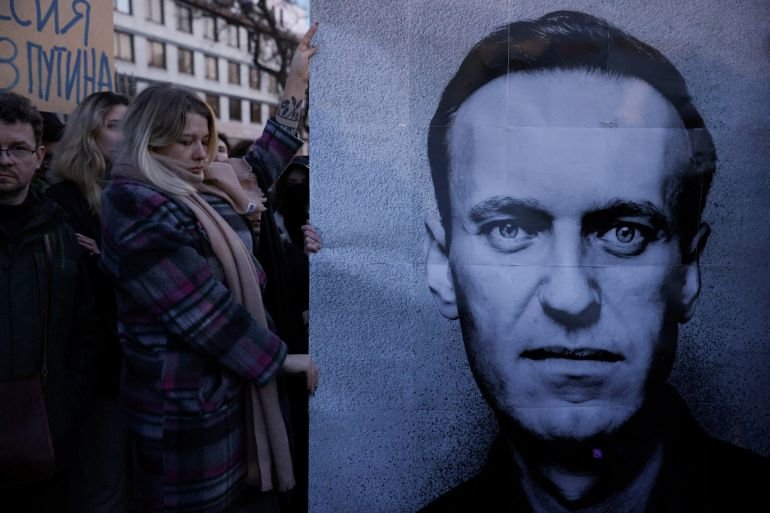
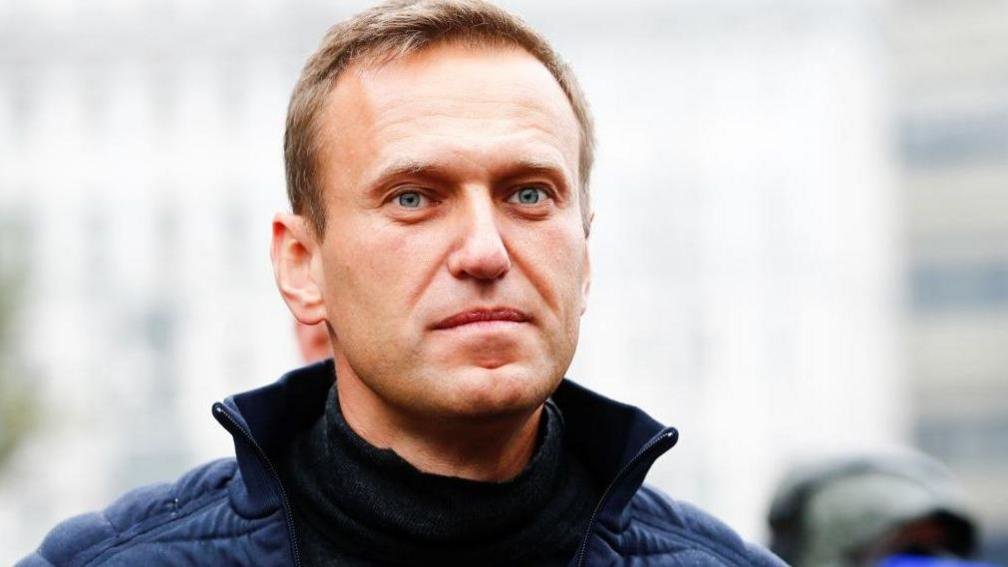
Navalny, Russia’s most prominent opposition figure, died in custody in February after reportedly collapsing during a walk at the high-security facility where he had been serving a lengthy sentence.
Russian authorities initially attributed his death to natural causes.
His family and supporters have consistently rejected that explanation, pointing to his prior poisoning in 2020 and subsequent imprisonment following his return to Russia.
British officials stated that the alleged use of a rare toxin demonstrated “premeditation and intent” and formed part of what they described as a pattern of targeted actions against political opponents.
The UK government has summoned the Russian ambassador and is coordinating with European and North American partners on potential further measures.
Moscow has categorically denied involvement in Navalny’s death and dismissed Western accusations as politically motivated and baseless.
Russian officials maintain that investigations conducted domestically found no evidence of foul play.
The allegation marks a new phase in the already fraught relationship between Russia and Western governments, which have imposed successive rounds of sanctions over the war in Ukraine and previous incidents involving alleged poisonings.
The claim also raises complex questions about the sourcing and weaponisation of rare biological toxins.
As international scrutiny intensifies, Navalny’s death continues to reverberate far beyond Russia’s borders, becoming a focal point for wider disputes over political repression, accountability and the conduct of states in dealing with dissent.
In a statement delivered to parliament, senior British officials said intelligence assessments concluded with “high confidence” that a highly specialised poison linked to batrachotoxin — a powerful neurotoxin found in certain tropical frogs — was used in the circumstances surrounding Navalny’s death earlier this year in a remote Arctic penal colony.
The UK government said its findings were based on classified intelligence, forensic analysis shared among allied partners and a review of Russia’s past use of exotic toxins.
Navalny, Russia’s most prominent opposition figure, died in custody in February after reportedly collapsing during a walk at the high-security facility where he had been serving a lengthy sentence.
Russian authorities initially attributed his death to natural causes.
His family and supporters have consistently rejected that explanation, pointing to his prior poisoning in 2020 and subsequent imprisonment following his return to Russia.
British officials stated that the alleged use of a rare toxin demonstrated “premeditation and intent” and formed part of what they described as a pattern of targeted actions against political opponents.
The UK government has summoned the Russian ambassador and is coordinating with European and North American partners on potential further measures.
Moscow has categorically denied involvement in Navalny’s death and dismissed Western accusations as politically motivated and baseless.
Russian officials maintain that investigations conducted domestically found no evidence of foul play.
The allegation marks a new phase in the already fraught relationship between Russia and Western governments, which have imposed successive rounds of sanctions over the war in Ukraine and previous incidents involving alleged poisonings.
The claim also raises complex questions about the sourcing and weaponisation of rare biological toxins.
As international scrutiny intensifies, Navalny’s death continues to reverberate far beyond Russia’s borders, becoming a focal point for wider disputes over political repression, accountability and the conduct of states in dealing with dissent.











