US Religious Freedom Delegation Cut Short After Rabbi Denied Entry to Saudi Heritage Site
American rabbi Abraham Cooper’s refusal to remove his kippah leads to early end of official visit amid Saudi clarification
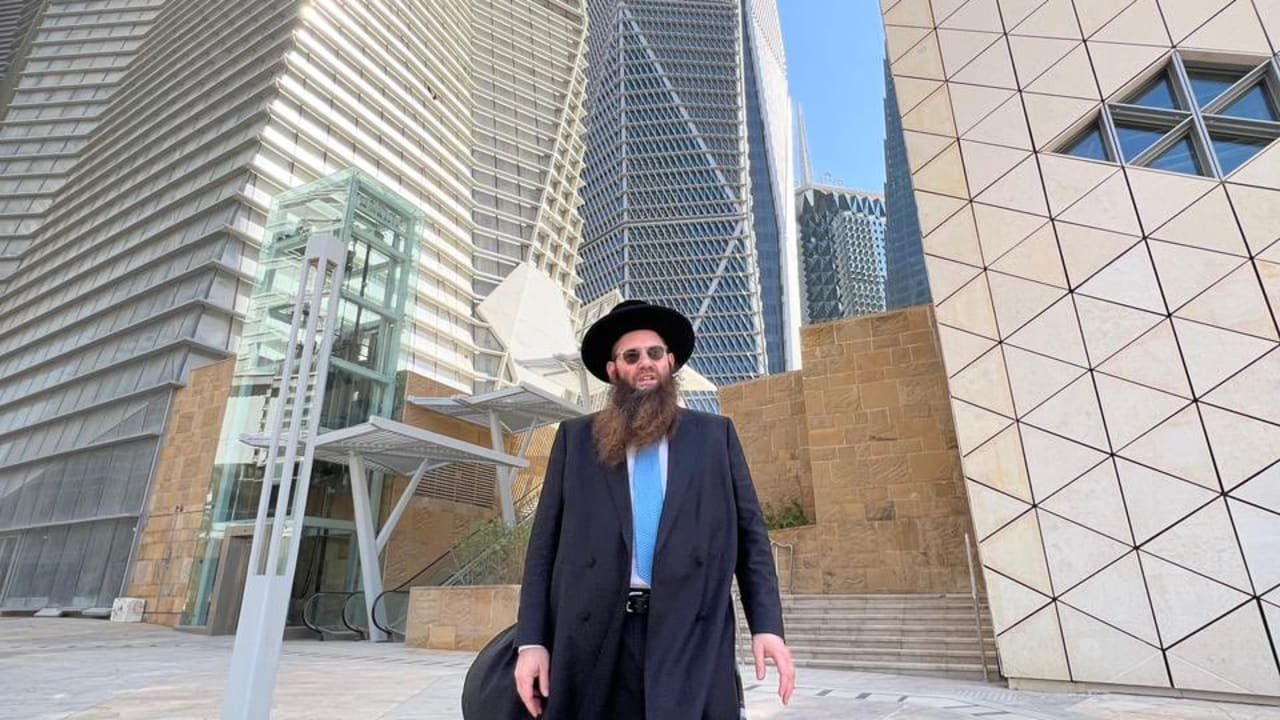
A delegation from the United States Commission on International Religious Freedom ended its visit to Saudi Arabia prematurely after one of its members, Rabbi Abraham Cooper, was denied entry to the Diriyah Gate heritage site near Riyadh after refusing a request to remove his kippah, or Jewish head covering.
The episode, which occurred during an official trip, prompted immediate diplomatic and organisational responses from both sides.
Rabbi Cooper, an Orthodox Jewish leader and chair of the USCIRF, was part of the delegation invited by Saudi authorities to tour Diriyah, a UNESCO World Heritage location.
According to USCIRF statements, authorities requested Cooper remove his kippah while at the site and anytime he was in public, even though the Saudi Ministry of Foreign Affairs had approved the visit.
Cooper politely refused the request with support from accompanying US Embassy staff, after which site officials escorted the group from the premises and the delegation decided to cut its trip short.
In the aftermath, the Saudi Embassy in Washington described the incident as “unfortunate” and attributed it to a misunderstanding of internal protocols.
The embassy said senior officials, including the Saudi ambassador, Princess Reema bint Bandar Al-Saud, engaged with Rabbi Cooper and that the matter was resolved, while expressing anticipation for his future return to the Kingdom.
The delegation’s abrupt departure has drawn attention to questions of religious expression and freedom in Saudi Arabia, particularly given the Kingdom’s efforts under its Vision 2030 initiative to modernise aspects of society and expand engagement with diverse international partners.
USCIRF leaders stressed that no one should be denied access to a heritage site because of religious identity or attire.
The episode comes as Saudi-US relations and wider regional dynamics, including discussions around religious pluralism and normalisation efforts with Israel, remain sensitive and complex.
The episode, which occurred during an official trip, prompted immediate diplomatic and organisational responses from both sides.
Rabbi Cooper, an Orthodox Jewish leader and chair of the USCIRF, was part of the delegation invited by Saudi authorities to tour Diriyah, a UNESCO World Heritage location.
According to USCIRF statements, authorities requested Cooper remove his kippah while at the site and anytime he was in public, even though the Saudi Ministry of Foreign Affairs had approved the visit.
Cooper politely refused the request with support from accompanying US Embassy staff, after which site officials escorted the group from the premises and the delegation decided to cut its trip short.
In the aftermath, the Saudi Embassy in Washington described the incident as “unfortunate” and attributed it to a misunderstanding of internal protocols.
The embassy said senior officials, including the Saudi ambassador, Princess Reema bint Bandar Al-Saud, engaged with Rabbi Cooper and that the matter was resolved, while expressing anticipation for his future return to the Kingdom.
The delegation’s abrupt departure has drawn attention to questions of religious expression and freedom in Saudi Arabia, particularly given the Kingdom’s efforts under its Vision 2030 initiative to modernise aspects of society and expand engagement with diverse international partners.
USCIRF leaders stressed that no one should be denied access to a heritage site because of religious identity or attire.
The episode comes as Saudi-US relations and wider regional dynamics, including discussions around religious pluralism and normalisation efforts with Israel, remain sensitive and complex.