
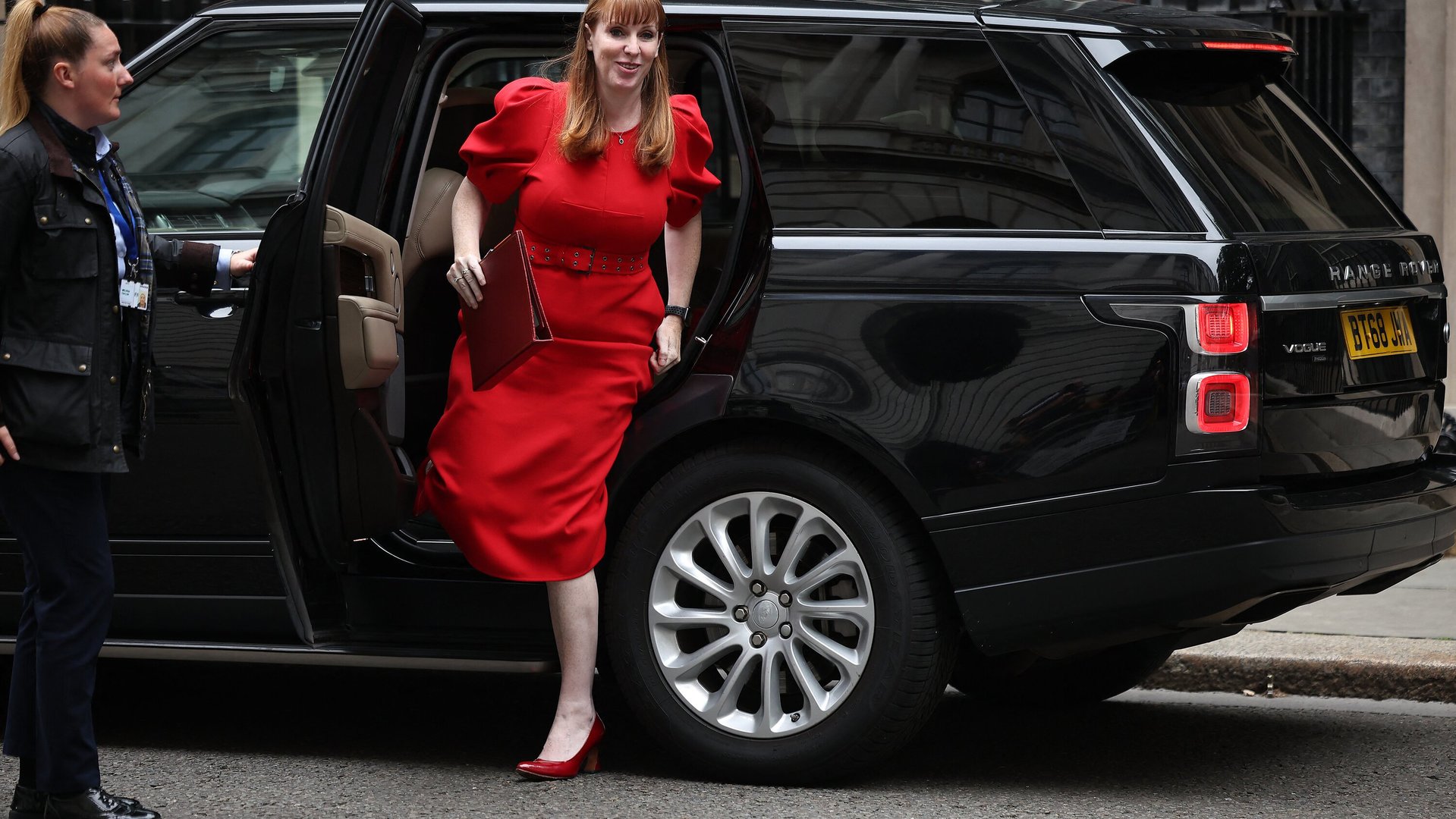
Angela Rayner Cleared by UK Tax Authority in Stamp Duty Case, Reigniting Labour Leadership Speculation
Former deputy prime minister settles £40,000 tax bill but faces no penalty after HMRC finds no deliberate wrongdoing, removing a major barrier to a potential challenge to Keir Starmer
The United Kingdom’s tax enforcement system has cleared Angela Rayner, the former deputy prime minister, of deliberate wrongdoing and carelessness in a high-profile stamp duty case that has reshaped internal Labour Party dynamics and reopened questions about a possible leadership contest.
What is confirmed is that HM Revenue & Customs concluded Rayner did not intentionally avoid tax and had exercised sufficient care in her property transaction, bringing the investigation into her affairs to a close without imposing a penalty.
She has, however, already paid approximately £40,000 in additional stamp duty after it was determined that the higher rate applied to her purchase of an £800,000 flat in Hove, a coastal city in southern England.
The case stems from a 2025 property purchase in which Rayner initially paid the standard rate of stamp duty.
The tax authority later reviewed the transaction after questions were raised about whether the property should have been treated as a second home.
The resolution confirms that while the correct tax was not initially paid, the error was not judged to involve negligence or deliberate avoidance, a distinction that allowed HMRC to close the case without penalties.
The political consequences are more significant than the financial settlement.
Rayner previously stepped down from senior government roles, including deputy prime minister and housing secretary, following an earlier ethics assessment that found her handling of the issue had breached expected standards for ministers.
That resignation removed her from frontline leadership at a time when she was widely seen as a potential future contender for the top job.
With the tax matter now formally resolved, attention has shifted back to internal Labour Party tensions.
Senior figures are increasingly positioning themselves in anticipation of a possible leadership challenge against Prime Minister Keir Starmer following poor local election results and growing dissent within the party.
Rayner has not declared a leadership bid, but she has signaled she is prepared to play a role in any contest and has not ruled out participation if one emerges.
Her re-emergence as a potential contender alters the internal balance of Labour politics.
The resolution of the tax investigation removes a key reputational obstacle that had limited her ability to campaign or build support within the parliamentary party.
At the same time, other senior figures are also being discussed as possible challengers, reflecting a broader sense of instability rather than a single organised push for leadership change.
The immediate consequence is that Labour’s internal focus is now divided between governing responsibilities and the prospect of a leadership contest involving multiple senior figures.
Rayner’s cleared status ensures she remains eligible to participate in any such contest, setting the stage for a potentially rapid realignment of party power if a challenge to Starmer materialises.
What is confirmed is that HM Revenue & Customs concluded Rayner did not intentionally avoid tax and had exercised sufficient care in her property transaction, bringing the investigation into her affairs to a close without imposing a penalty.
She has, however, already paid approximately £40,000 in additional stamp duty after it was determined that the higher rate applied to her purchase of an £800,000 flat in Hove, a coastal city in southern England.
The case stems from a 2025 property purchase in which Rayner initially paid the standard rate of stamp duty.
The tax authority later reviewed the transaction after questions were raised about whether the property should have been treated as a second home.
The resolution confirms that while the correct tax was not initially paid, the error was not judged to involve negligence or deliberate avoidance, a distinction that allowed HMRC to close the case without penalties.
The political consequences are more significant than the financial settlement.
Rayner previously stepped down from senior government roles, including deputy prime minister and housing secretary, following an earlier ethics assessment that found her handling of the issue had breached expected standards for ministers.
That resignation removed her from frontline leadership at a time when she was widely seen as a potential future contender for the top job.
With the tax matter now formally resolved, attention has shifted back to internal Labour Party tensions.
Senior figures are increasingly positioning themselves in anticipation of a possible leadership challenge against Prime Minister Keir Starmer following poor local election results and growing dissent within the party.
Rayner has not declared a leadership bid, but she has signaled she is prepared to play a role in any contest and has not ruled out participation if one emerges.
Her re-emergence as a potential contender alters the internal balance of Labour politics.
The resolution of the tax investigation removes a key reputational obstacle that had limited her ability to campaign or build support within the parliamentary party.
At the same time, other senior figures are also being discussed as possible challengers, reflecting a broader sense of instability rather than a single organised push for leadership change.
The immediate consequence is that Labour’s internal focus is now divided between governing responsibilities and the prospect of a leadership contest involving multiple senior figures.
Rayner’s cleared status ensures she remains eligible to participate in any such contest, setting the stage for a potentially rapid realignment of party power if a challenge to Starmer materialises.