Debate Over National Symbols Deepens in UK as Flag-Flying Campaign Polarises Communities
Grassroots movement to display Union and St George’s flags ignites cultural clash over patriotism, identity and immigration amid broader social tensions
Across towns and cities in Britain, a grassroots campaign promoting the widespread display of national flags has sparked intense public debate and highlighted deeper divisions over national identity and social policy.
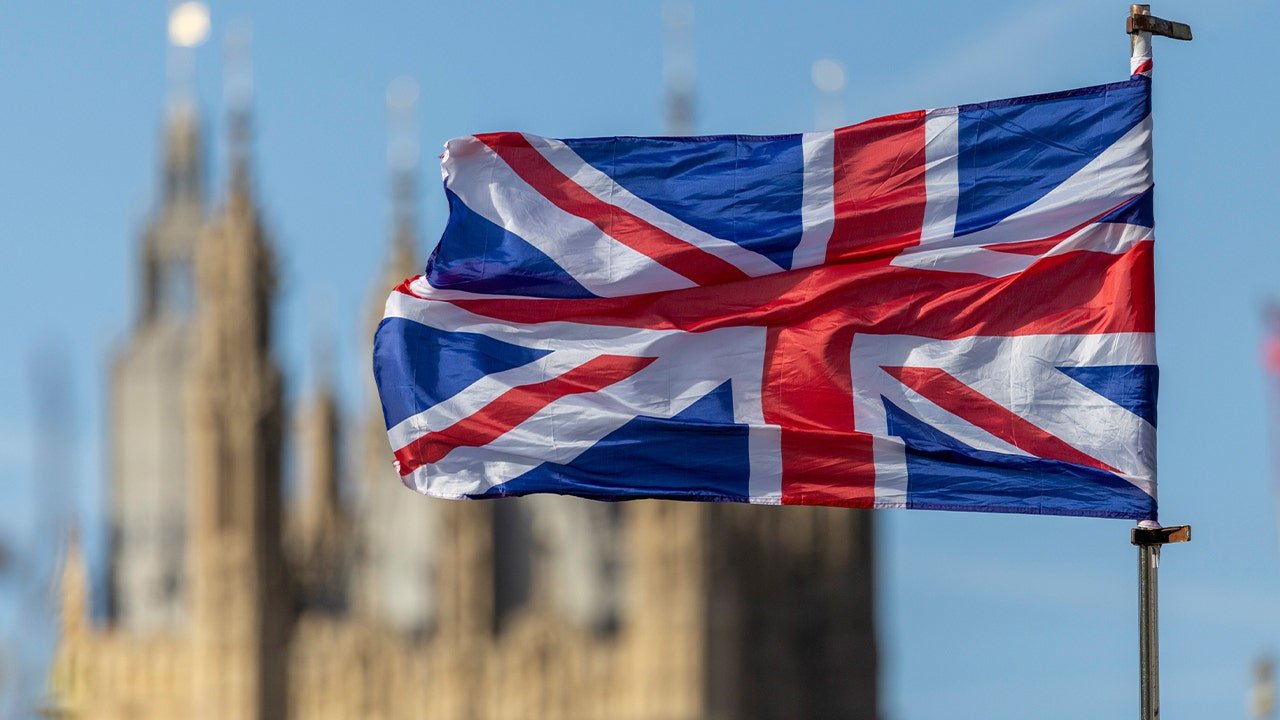
Since early this year, groups involved in ‘Operation Raise the Colours’ have placed England’s St George’s Cross and the Union Flag on lampposts, bridges and roundabouts, describing their actions as expressions of pride in British heritage and solidarity with national history.
The campaign, which began in Birmingham and has spread to Manchester, Newcastle, Norwich and other areas, has been interpreted by supporters as a peaceful assertion of civic pride in the face of what they perceive as cultural marginalisation, while opponents warn that the movement overlaps with anti-immigration demonstrations and nationalist politics.
Local councils in diverse boroughs such as Tower Hamlets and Birmingham have removed unauthorised flags from public infrastructure, citing safety concerns and planning rules, a move that has itself become a point of contention.
Critics of flag removal argue that these decisions reflect inconsistency in applying policy, contrasting the cloud of suspicion that often surrounds national banners with the acceptance of other symbolic flags.
Public opinion appears sharply divided on the motives behind the flag campaign: surveys suggest roughly equal proportions of people view the display as patriotic and as a political statement against immigration, with many Britons supporting flag visibility so long as it does not pose safety risks.
The issue unfolds against a backdrop of heightened social discourse on migration, national cohesion and public space, with some commentators noting that the prominence of national symbols can both unify and alienate in a multicultural society.
Police forces and local authorities have largely sought to manage the situation by enforcing safety and planning regulations, emphasising that lamppost attachments require proper authorisation and that public order must be maintained.
The British government has so far refrained from imposing nationwide directives, leaving councils to adjudicate on a case-by-case basis, even as prominent politicians and commentators weigh in on the meaning and impact of the flag displays.
For many residents, the debate over flags has become shorthand for broader anxieties about social change, belonging and the future direction of British civic life.
The ongoing dispute underscores how symbols rooted in history can become flashpoints for contemporary political and cultural tensions as Britain navigates questions of national identity, community cohesion and the limits of free expression.
Since early this year, groups involved in ‘Operation Raise the Colours’ have placed England’s St George’s Cross and the Union Flag on lampposts, bridges and roundabouts, describing their actions as expressions of pride in British heritage and solidarity with national history.
The campaign, which began in Birmingham and has spread to Manchester, Newcastle, Norwich and other areas, has been interpreted by supporters as a peaceful assertion of civic pride in the face of what they perceive as cultural marginalisation, while opponents warn that the movement overlaps with anti-immigration demonstrations and nationalist politics.
Local councils in diverse boroughs such as Tower Hamlets and Birmingham have removed unauthorised flags from public infrastructure, citing safety concerns and planning rules, a move that has itself become a point of contention.
Critics of flag removal argue that these decisions reflect inconsistency in applying policy, contrasting the cloud of suspicion that often surrounds national banners with the acceptance of other symbolic flags.
Public opinion appears sharply divided on the motives behind the flag campaign: surveys suggest roughly equal proportions of people view the display as patriotic and as a political statement against immigration, with many Britons supporting flag visibility so long as it does not pose safety risks.
The issue unfolds against a backdrop of heightened social discourse on migration, national cohesion and public space, with some commentators noting that the prominence of national symbols can both unify and alienate in a multicultural society.
Police forces and local authorities have largely sought to manage the situation by enforcing safety and planning regulations, emphasising that lamppost attachments require proper authorisation and that public order must be maintained.
The British government has so far refrained from imposing nationwide directives, leaving councils to adjudicate on a case-by-case basis, even as prominent politicians and commentators weigh in on the meaning and impact of the flag displays.
For many residents, the debate over flags has become shorthand for broader anxieties about social change, belonging and the future direction of British civic life.
The ongoing dispute underscores how symbols rooted in history can become flashpoints for contemporary political and cultural tensions as Britain navigates questions of national identity, community cohesion and the limits of free expression.