UK Conservatives Demand Deportation of Egyptian-British Activist After Return Sparks Backlash
Tory MPs call for citizenship review and possible expulsion of Alaa Abd el-Fattah following resurfaced statements and political controversy over his welcome home by the government
Alaa Abd el-Fattah, the Egyptian-British pro-democracy campaigner recently released from detention in Egypt and welcomed back to the United Kingdom, has become the centre of a heated political dispute after past social media posts attributed to him resurfaced and drew condemnation from senior Conservative politicians.
Abd el-Fattah, 44, who spent much of the past decade in Egyptian custody and was granted British citizenship in 2021 through his mother, arrived in London late last week after Egyptian authorities lifted a travel ban, reuniting him with family following a long international campaign for his freedom led by successive British governments.
The United Kingdom’s Conservative Party has seized on the controversy over his return, with the shadow justice secretary and other senior Tories saying that some of Abd el-Fattah’s historic social media posts appear to advocate violence and express extreme views, including remarks about “Zionists” and police that have prompted alarm among parts of the public and community groups.
Senior Conservative MP Robert Jenrick called on the government to reconsider his citizenship status and suggested that Abd el-Fattah should be “made to live in Egypt or frankly anywhere else in the world” rather than remain in Britain.
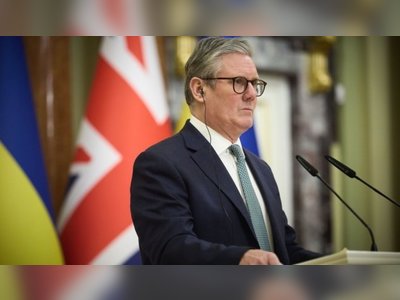
The party’s criticism centres on whether Prime Minister Keir Starmer’s public expression of relief at his arrival should have been tempered by scrutiny of his online history.
Government officials have pointed out that campaigning for the release of a British citizen from arbitrary detention abroad, a priority for both Conservative and Labour administrations, did not imply endorsement of every past view expressed by that individual.
The Foreign Office has condemned the offensive language contained in the historic posts as abhorrent and reiterated that it was long committed to securing his return to the UK as part of its duty of care to a citizen.
Supporters of Abd el-Fattah argue that his decades of activism and repeated imprisonment under Egypt’s President Abdel Fattah al-Sisi’s government reflect his commitment to human rights and democratic reform, and they note that the social media posts predate his decades-long struggle and may lack context.
The dispute has also drawn attention from Jewish and other community organisations, which have urged a thorough investigation of his statements to ensure public safety and social cohesion.
As the controversy unfolds, questions about citizenship rights, the limits of political expression and the UK’s role in advocating for dissidents abroad have taken centre stage in Westminster, with calls for clarity on whether critics will pursue legal avenues to strip citizenship or seek deportation measures against Abd el-Fattah.
The government has so far resisted moves to remove his citizenship or deport him, saying that any action must be grounded in clear evidence and legal authority, even as political pressure mounts from the opposition Conservative benches.
Abd el-Fattah, 44, who spent much of the past decade in Egyptian custody and was granted British citizenship in 2021 through his mother, arrived in London late last week after Egyptian authorities lifted a travel ban, reuniting him with family following a long international campaign for his freedom led by successive British governments.
The United Kingdom’s Conservative Party has seized on the controversy over his return, with the shadow justice secretary and other senior Tories saying that some of Abd el-Fattah’s historic social media posts appear to advocate violence and express extreme views, including remarks about “Zionists” and police that have prompted alarm among parts of the public and community groups.
Senior Conservative MP Robert Jenrick called on the government to reconsider his citizenship status and suggested that Abd el-Fattah should be “made to live in Egypt or frankly anywhere else in the world” rather than remain in Britain.
The party’s criticism centres on whether Prime Minister Keir Starmer’s public expression of relief at his arrival should have been tempered by scrutiny of his online history.
Government officials have pointed out that campaigning for the release of a British citizen from arbitrary detention abroad, a priority for both Conservative and Labour administrations, did not imply endorsement of every past view expressed by that individual.
The Foreign Office has condemned the offensive language contained in the historic posts as abhorrent and reiterated that it was long committed to securing his return to the UK as part of its duty of care to a citizen.
Supporters of Abd el-Fattah argue that his decades of activism and repeated imprisonment under Egypt’s President Abdel Fattah al-Sisi’s government reflect his commitment to human rights and democratic reform, and they note that the social media posts predate his decades-long struggle and may lack context.
The dispute has also drawn attention from Jewish and other community organisations, which have urged a thorough investigation of his statements to ensure public safety and social cohesion.
As the controversy unfolds, questions about citizenship rights, the limits of political expression and the UK’s role in advocating for dissidents abroad have taken centre stage in Westminster, with calls for clarity on whether critics will pursue legal avenues to strip citizenship or seek deportation measures against Abd el-Fattah.
The government has so far resisted moves to remove his citizenship or deport him, saying that any action must be grounded in clear evidence and legal authority, even as political pressure mounts from the opposition Conservative benches.