Labour Blocks Andy Burnham’s Bid to Return to UK Parliament, Deepening Party Divisions
Greater Manchester mayor denied permission to contest Gorton and Denton by-election as internal tensions rise within the governing party
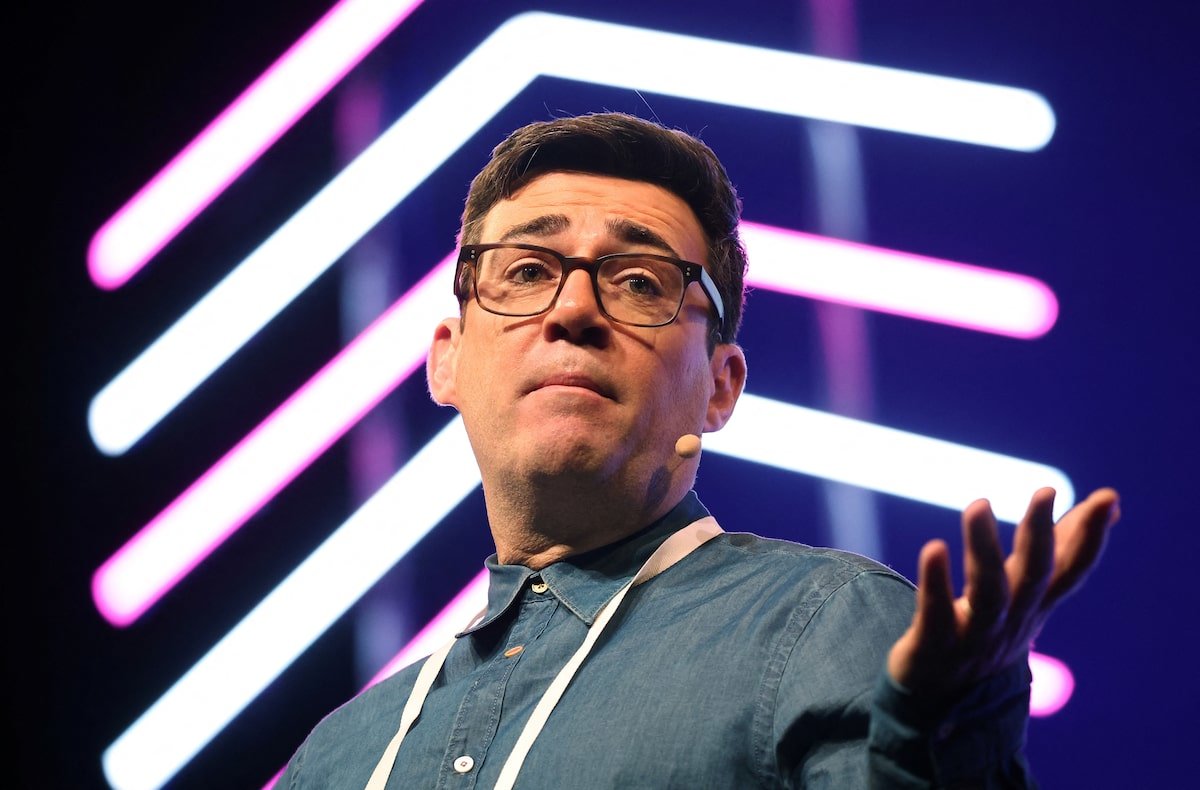
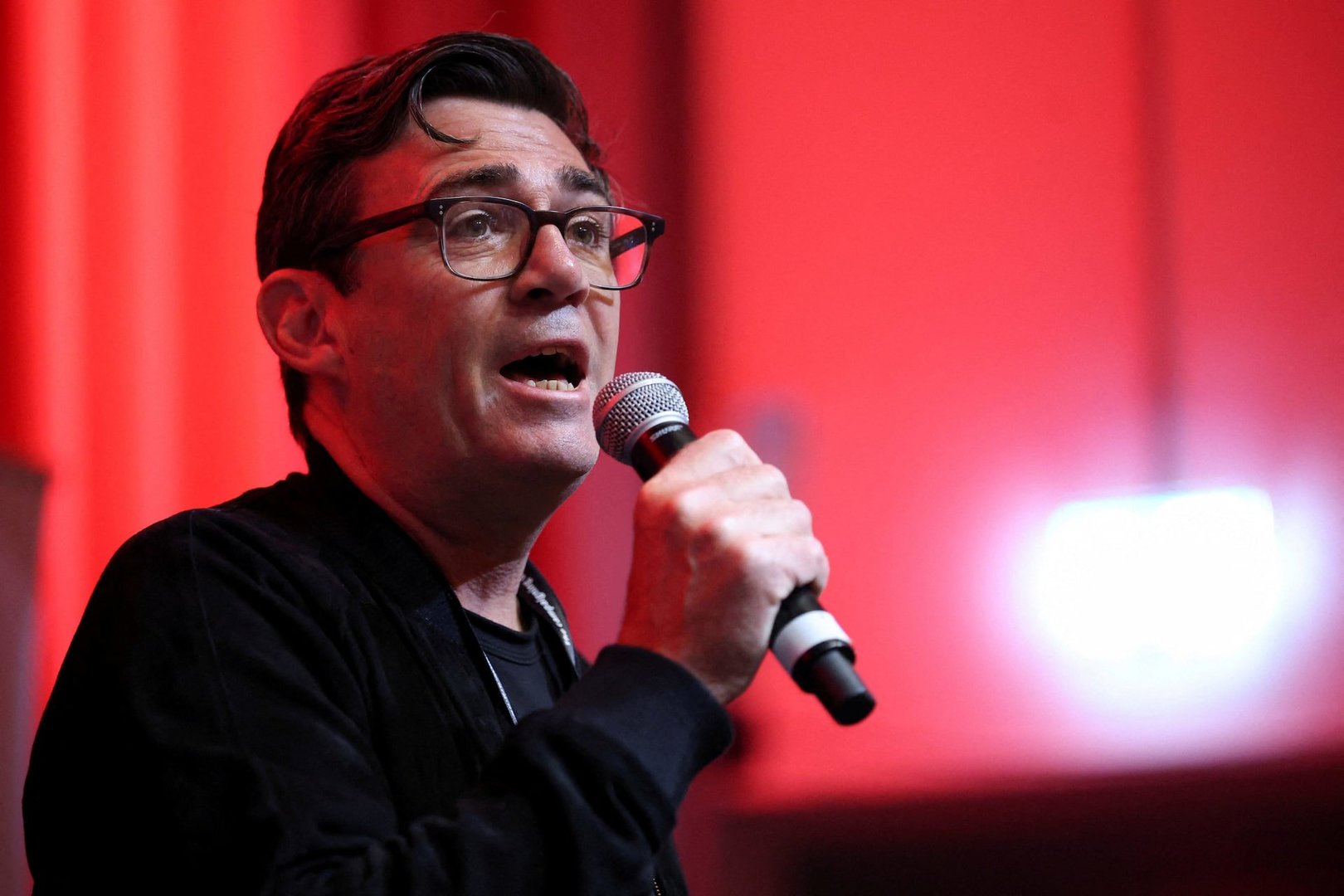
Andy Burnham, the mayor of Greater Manchester and former long-standing Labour member of parliament, has been blocked by his own party’s governing body from seeking a return to the House of Commons at a forthcoming by-election.
Burnham, who previously served as an MP and is widely seen as one of Labour’s most prominent figures outside the parliamentary party, sought the nomination for the Gorton and Denton by-election triggered by the resignation of the sitting MP. Under Labour rules, directly elected mayors require explicit approval from the National Executive Committee to seek selection as a parliamentary candidate, and the committee refused permission by a vote of eight to one.
The decision, taken by a ten-member subcommittee of the National Executive Committee, saw Prime Minister Sir Keir Starmer personally vote against Burnham’s bid, with only Deputy Leader Lucy Powell backing the mayor and the chair, Home Secretary Shabana Mahmood, abstaining.
The party cited concerns that allowing Burnham to contest the seat would trigger an election for the Greater Manchester mayoralty, divert substantial party resources and risk Labour losing control of the region’s mayoralty.
Despite this rationale, the move has provoked a strong backlash from within Labour’s parliamentary ranks and party affiliates, with a number of Labour MPs and union figures publicly criticising the decision as damaging to party unity and electoral prospects.
Burnham expressed disappointment at the ruling and signalled his intention to return to his mayoral duties with ‘‘full focus,’’ while offering his support to the Labour candidate who wins the nomination.
He said he was ‘‘concerned about its potential impact on the important elections ahead,’’ alluding to looming local and devolved contests that Labour faces later this year.
Allies of Burnham had argued that his popularity and experience would strengthen Labour’s chances in the north-west and that the decision to bar him ignored grassroots sentiment and strategic advantage.
Senior party figures including former deputy prime minister and London Mayor Sadiq Khan, Energy Secretary Ed Miliband and deputy leader Powell had earlier suggested local members should decide whether Burnham should stand.
Dissenting voices warned that the move could deepen fractures within Labour as it continues to grapple with falling poll numbers since its landslide general election victory in 2024. Critics within the party also framed the decision as an attempt to limit a potential leadership challenge, given Burnham’s stature and support among members who are uneasy with the current leadership’s direction.
While Labour insists the ruling was motivated by practical considerations over electoral cost and risks, the episode underscores mounting internal tensions as the party prepares for a series of pivotal elections across the United Kingdom.
Burnham, who previously served as an MP and is widely seen as one of Labour’s most prominent figures outside the parliamentary party, sought the nomination for the Gorton and Denton by-election triggered by the resignation of the sitting MP. Under Labour rules, directly elected mayors require explicit approval from the National Executive Committee to seek selection as a parliamentary candidate, and the committee refused permission by a vote of eight to one.
The decision, taken by a ten-member subcommittee of the National Executive Committee, saw Prime Minister Sir Keir Starmer personally vote against Burnham’s bid, with only Deputy Leader Lucy Powell backing the mayor and the chair, Home Secretary Shabana Mahmood, abstaining.
The party cited concerns that allowing Burnham to contest the seat would trigger an election for the Greater Manchester mayoralty, divert substantial party resources and risk Labour losing control of the region’s mayoralty.
Despite this rationale, the move has provoked a strong backlash from within Labour’s parliamentary ranks and party affiliates, with a number of Labour MPs and union figures publicly criticising the decision as damaging to party unity and electoral prospects.
Burnham expressed disappointment at the ruling and signalled his intention to return to his mayoral duties with ‘‘full focus,’’ while offering his support to the Labour candidate who wins the nomination.
He said he was ‘‘concerned about its potential impact on the important elections ahead,’’ alluding to looming local and devolved contests that Labour faces later this year.
Allies of Burnham had argued that his popularity and experience would strengthen Labour’s chances in the north-west and that the decision to bar him ignored grassroots sentiment and strategic advantage.
Senior party figures including former deputy prime minister and London Mayor Sadiq Khan, Energy Secretary Ed Miliband and deputy leader Powell had earlier suggested local members should decide whether Burnham should stand.
Dissenting voices warned that the move could deepen fractures within Labour as it continues to grapple with falling poll numbers since its landslide general election victory in 2024. Critics within the party also framed the decision as an attempt to limit a potential leadership challenge, given Burnham’s stature and support among members who are uneasy with the current leadership’s direction.
While Labour insists the ruling was motivated by practical considerations over electoral cost and risks, the episode underscores mounting internal tensions as the party prepares for a series of pivotal elections across the United Kingdom.