Public Letters Warn of Food Supply Fragility and Social Strain in the United Kingdom
Correspondents highlight concerns over supply chains, labour shortages and preparedness, urging clearer contingency planning
A series of letters from readers and industry figures has drawn renewed attention to concerns about the resilience of the United Kingdom’s food supply and the potential social consequences of prolonged disruption.
The correspondence, published in response to recent debates on inflation, logistics and labour availability, reflects unease that pressures on production and distribution could intensify if risks are not addressed with clearer planning and coordination.
Writers point to a combination of factors they say are straining the system, including rising input costs for farmers, tight margins for food processors, and ongoing challenges in transport and warehousing.
Several letters emphasise the dependence of supermarkets on just-in-time delivery models, arguing that while efficient in normal conditions, they leave limited buffers in the event of shocks such as extreme weather, fuel disruptions or sudden labour shortfalls.
Some correspondents warn that public confidence could erode quickly if shelves were to empty for sustained periods, with knock-on effects for social order and community cohesion.
They argue that past episodes of panic buying demonstrate how rapidly anxiety can spread when supply chains appear uncertain, even if overall food availability remains adequate at a national level.
Others stress that the risk lies less in absolute shortages than in uneven distribution and access, particularly for vulnerable households.
Several letters call for stronger government engagement with producers, retailers and local authorities to improve transparency and preparedness.
Proposals include clearer communication to the public during periods of stress, investment in domestic food production and storage, and contingency plans that ensure essential goods reach communities if normal logistics are disrupted.
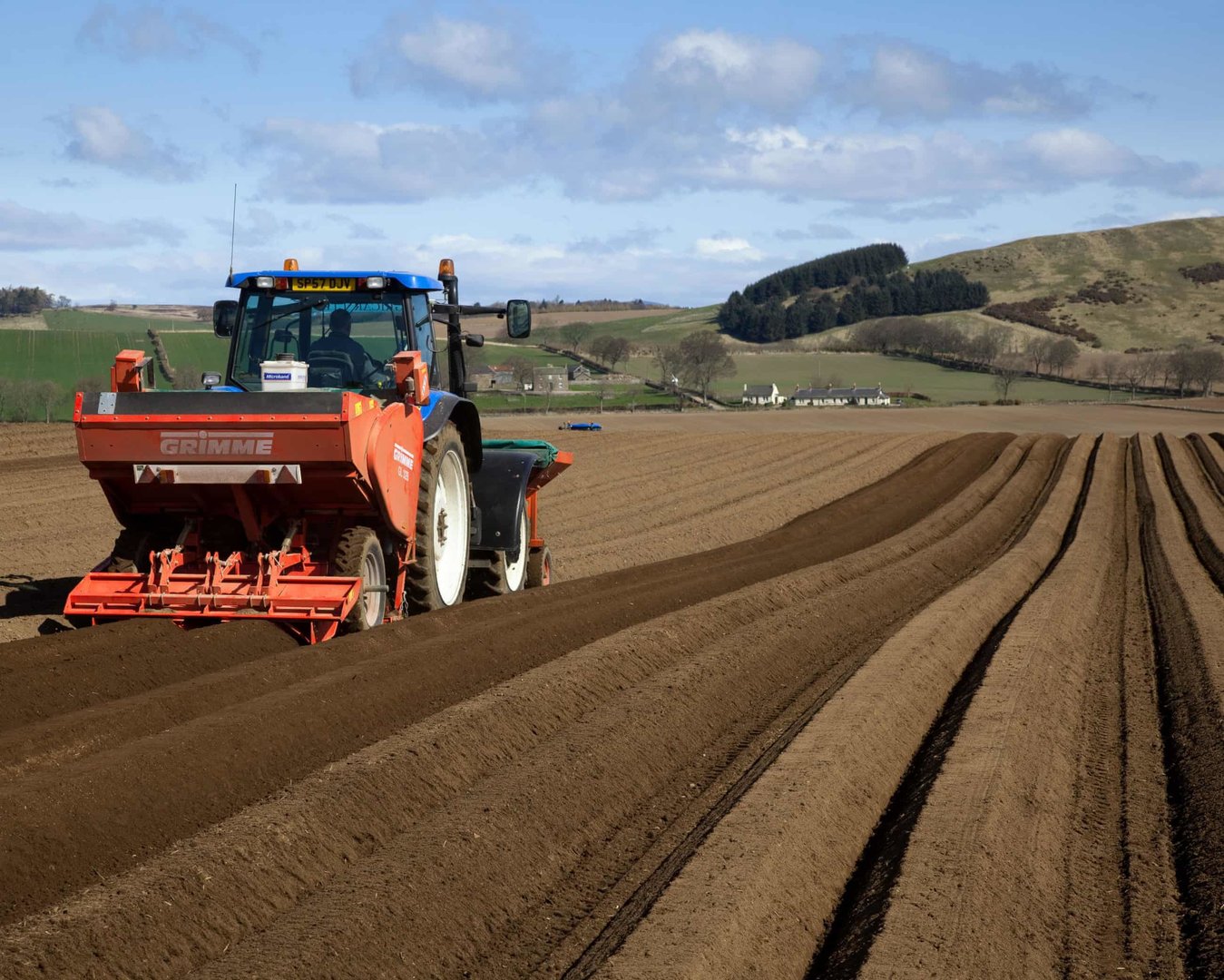
Contributors from agricultural backgrounds also urge policies that support farmers’ viability, warning that long-term underinvestment could weaken domestic capacity.
While the letters differ in tone and emphasis, they converge on the view that food security is a matter of national resilience rather than short-term market fluctuation.
The correspondence reflects a broader public debate about how the United Kingdom can safeguard essential supplies, maintain social stability and strengthen trust in systems that underpin daily life, particularly during periods of economic and environmental uncertainty.
The correspondence, published in response to recent debates on inflation, logistics and labour availability, reflects unease that pressures on production and distribution could intensify if risks are not addressed with clearer planning and coordination.
Writers point to a combination of factors they say are straining the system, including rising input costs for farmers, tight margins for food processors, and ongoing challenges in transport and warehousing.
Several letters emphasise the dependence of supermarkets on just-in-time delivery models, arguing that while efficient in normal conditions, they leave limited buffers in the event of shocks such as extreme weather, fuel disruptions or sudden labour shortfalls.
Some correspondents warn that public confidence could erode quickly if shelves were to empty for sustained periods, with knock-on effects for social order and community cohesion.
They argue that past episodes of panic buying demonstrate how rapidly anxiety can spread when supply chains appear uncertain, even if overall food availability remains adequate at a national level.
Others stress that the risk lies less in absolute shortages than in uneven distribution and access, particularly for vulnerable households.
Several letters call for stronger government engagement with producers, retailers and local authorities to improve transparency and preparedness.
Proposals include clearer communication to the public during periods of stress, investment in domestic food production and storage, and contingency plans that ensure essential goods reach communities if normal logistics are disrupted.
Contributors from agricultural backgrounds also urge policies that support farmers’ viability, warning that long-term underinvestment could weaken domestic capacity.
While the letters differ in tone and emphasis, they converge on the view that food security is a matter of national resilience rather than short-term market fluctuation.
The correspondence reflects a broader public debate about how the United Kingdom can safeguard essential supplies, maintain social stability and strengthen trust in systems that underpin daily life, particularly during periods of economic and environmental uncertainty.