

UK Plaintiffs Ask Court to Order Nationwide Ban on Smartphones in Schools
Legal action argues children’s safety duty requires a statutory prohibition on pupils carrying phones during the school day
A group of parents and a 17-year-old student have launched legal proceedings against the British government seeking a court order that would require schools across the United Kingdom to ban smartphones during the school day.
The judicial review, filed in the High Court in London, contends that existing government guidance — which leaves decisions on mobile phone use to individual headteachers — fails to uphold the state’s legal duty to safeguard children’s welfare while under the supervision of schools.
The claimants argue that because most secondary pupils routinely bring smartphones to school, they are exposed to serious risks including access to harmful content, cyberbullying, social media addiction and distraction from learning.
The lead plaintiff, now 17, says that her own school experience was profoundly affected by unsolicited exposure to violent and sexualised material circulated via phones during school hours, contributing to distress and disruption that she believes the state should have prevented.
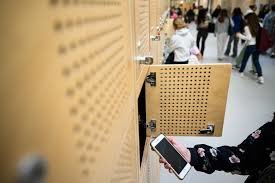
Advocates for the legal challenge point to statistics showing that the vast majority of secondary schools operate only limited restrictions on phone use, with only a small proportion implementing full prohibitions or secure storage systems that keep devices inaccessible during classes and breaks.
Lawyers for the claimants maintain that the government’s failure to require statutory prohibitions on smartphone access in school settings amounts to an unlawful breach of its safeguarding obligations.
The Education Department’s recent guidance encourages schools to restrict phones during lessons and breaks but stops short of a compulsory national ban, prompting critics to argue that a patchwork of local policies has left many pupils insufficiently protected.
Supporters of the lawsuit emphasise that smartphones — and the always-on access to social media they provide — have been linked to mental health harms, distraction and unsafe interactions during the school day, and that without a unified legal standard schools are left to manage complex digital risks without consistent authority or resources.
The case comes amid broader debates in the U.K. about digital safety for children, including parliamentary pressure to ban social media use for under-sixteens and consultations on further government measures.
As the High Court considers arguments later this year, schools, families and policymakers are watching closely, recognising that a judicial ruling could reshape how children’s digital lives are regulated within the compulsory education system.
The judicial review, filed in the High Court in London, contends that existing government guidance — which leaves decisions on mobile phone use to individual headteachers — fails to uphold the state’s legal duty to safeguard children’s welfare while under the supervision of schools.
The claimants argue that because most secondary pupils routinely bring smartphones to school, they are exposed to serious risks including access to harmful content, cyberbullying, social media addiction and distraction from learning.
The lead plaintiff, now 17, says that her own school experience was profoundly affected by unsolicited exposure to violent and sexualised material circulated via phones during school hours, contributing to distress and disruption that she believes the state should have prevented.
Advocates for the legal challenge point to statistics showing that the vast majority of secondary schools operate only limited restrictions on phone use, with only a small proportion implementing full prohibitions or secure storage systems that keep devices inaccessible during classes and breaks.
Lawyers for the claimants maintain that the government’s failure to require statutory prohibitions on smartphone access in school settings amounts to an unlawful breach of its safeguarding obligations.
The Education Department’s recent guidance encourages schools to restrict phones during lessons and breaks but stops short of a compulsory national ban, prompting critics to argue that a patchwork of local policies has left many pupils insufficiently protected.
Supporters of the lawsuit emphasise that smartphones — and the always-on access to social media they provide — have been linked to mental health harms, distraction and unsafe interactions during the school day, and that without a unified legal standard schools are left to manage complex digital risks without consistent authority or resources.
The case comes amid broader debates in the U.K. about digital safety for children, including parliamentary pressure to ban social media use for under-sixteens and consultations on further government measures.
As the High Court considers arguments later this year, schools, families and policymakers are watching closely, recognising that a judicial ruling could reshape how children’s digital lives are regulated within the compulsory education system.