Leaked UK Ambassador Remarks Trigger Diplomatic Embarrassment Ahead of US Visit
Private comments by Britain’s ambassador to Washington questioning the UK–US ‘special relationship’ and referencing Epstein-linked scandals prompt official distancing and political fallout
Leaked private remarks by Britain’s ambassador to the United States have created a diplomatic embarrassment for London at a sensitive moment in transatlantic relations.
The comments, made during a closed discussion with visiting British students earlier this year, were never intended for public release but have now circulated widely, forcing the government to clarify that they do not represent official policy.
In the recording, the ambassador, Sir Christian Turner, is reported to have questioned the traditional description of the UK–US relationship as a uniquely ‘special relationship’.
He suggested the phrase was outdated and implied that, in his personal assessment, the United States may now regard another country—specifically Israel—as its closest strategic partner.
The framing directly challenges decades of diplomatic language used by successive British governments to describe ties with Washington.
The remarks extended beyond geopolitical framing into politically sensitive territory.
Turner also referenced the fallout from the Jeffrey Epstein scandal, describing it as unusually consequential in the UK context, with effects he linked to senior figures including members of the royal family, former diplomatic leadership, and political figures.
The inclusion of such commentary has intensified scrutiny because it connects ongoing legal and reputational controversies to active institutions of state.
British officials moved quickly to contain the fallout, stressing that the ambassador’s comments were made in a private capacity and do not reflect government positions.
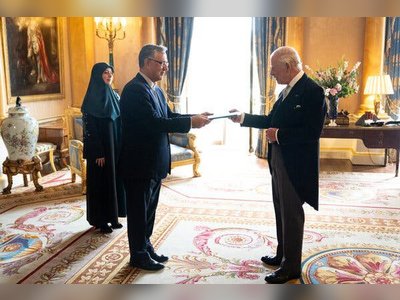
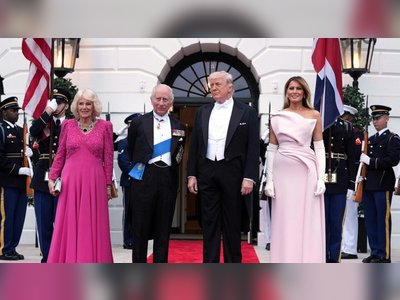
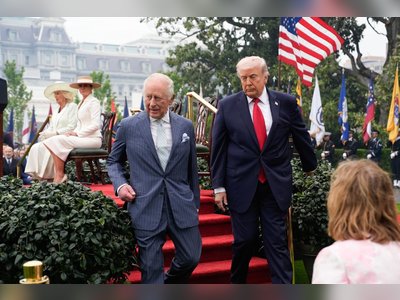
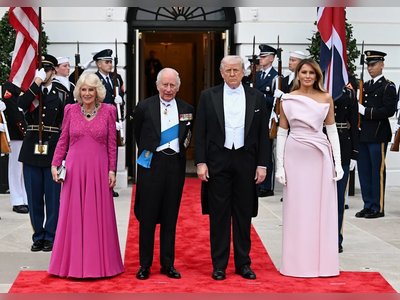
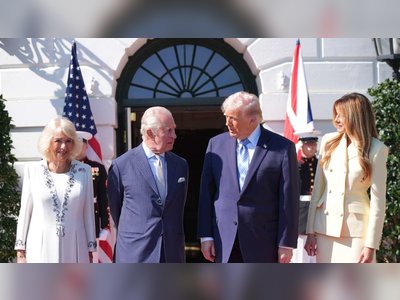
Nonetheless, the timing has amplified the impact, coinciding with preparations for a high-profile state visit involving the British monarchy in the United States, where diplomatic messaging is tightly managed.
The episode highlights a recurring tension in modern diplomacy: ambassadors are expected to provide candid assessments in private settings, yet any deviation from official narrative frameworks can quickly become politically destabilizing when made public.
In this case, the remarks have complicated Britain’s effort to project unity in its alliance with Washington while also managing sensitive domestic political controversies that remain unresolved in public debate.
The immediate consequence has been intensified scrutiny of diplomatic discipline within the Foreign Office and renewed pressure to ensure that privately expressed assessments by senior envoys do not undermine coordinated state messaging at moments of heightened international visibility.
The comments, made during a closed discussion with visiting British students earlier this year, were never intended for public release but have now circulated widely, forcing the government to clarify that they do not represent official policy.
In the recording, the ambassador, Sir Christian Turner, is reported to have questioned the traditional description of the UK–US relationship as a uniquely ‘special relationship’.
He suggested the phrase was outdated and implied that, in his personal assessment, the United States may now regard another country—specifically Israel—as its closest strategic partner.
The framing directly challenges decades of diplomatic language used by successive British governments to describe ties with Washington.
The remarks extended beyond geopolitical framing into politically sensitive territory.
Turner also referenced the fallout from the Jeffrey Epstein scandal, describing it as unusually consequential in the UK context, with effects he linked to senior figures including members of the royal family, former diplomatic leadership, and political figures.
The inclusion of such commentary has intensified scrutiny because it connects ongoing legal and reputational controversies to active institutions of state.
British officials moved quickly to contain the fallout, stressing that the ambassador’s comments were made in a private capacity and do not reflect government positions.
Nonetheless, the timing has amplified the impact, coinciding with preparations for a high-profile state visit involving the British monarchy in the United States, where diplomatic messaging is tightly managed.
The episode highlights a recurring tension in modern diplomacy: ambassadors are expected to provide candid assessments in private settings, yet any deviation from official narrative frameworks can quickly become politically destabilizing when made public.
In this case, the remarks have complicated Britain’s effort to project unity in its alliance with Washington while also managing sensitive domestic political controversies that remain unresolved in public debate.
The immediate consequence has been intensified scrutiny of diplomatic discipline within the Foreign Office and renewed pressure to ensure that privately expressed assessments by senior envoys do not undermine coordinated state messaging at moments of heightened international visibility.