UK Ministers Signal Flexibility Over Social Media Restrictions as Child Safety Debate Intensifies
Education Secretary Bridget Phillipson indicates government is open to multiple regulatory approaches as pressure grows to tighten online protections for children under new safety framework
A SYSTEM-DRIVEN policy debate over how far the United Kingdom should go in restricting children’s access to social media is accelerating, with government ministers signaling they remain open-minded about the final shape of potential limits.
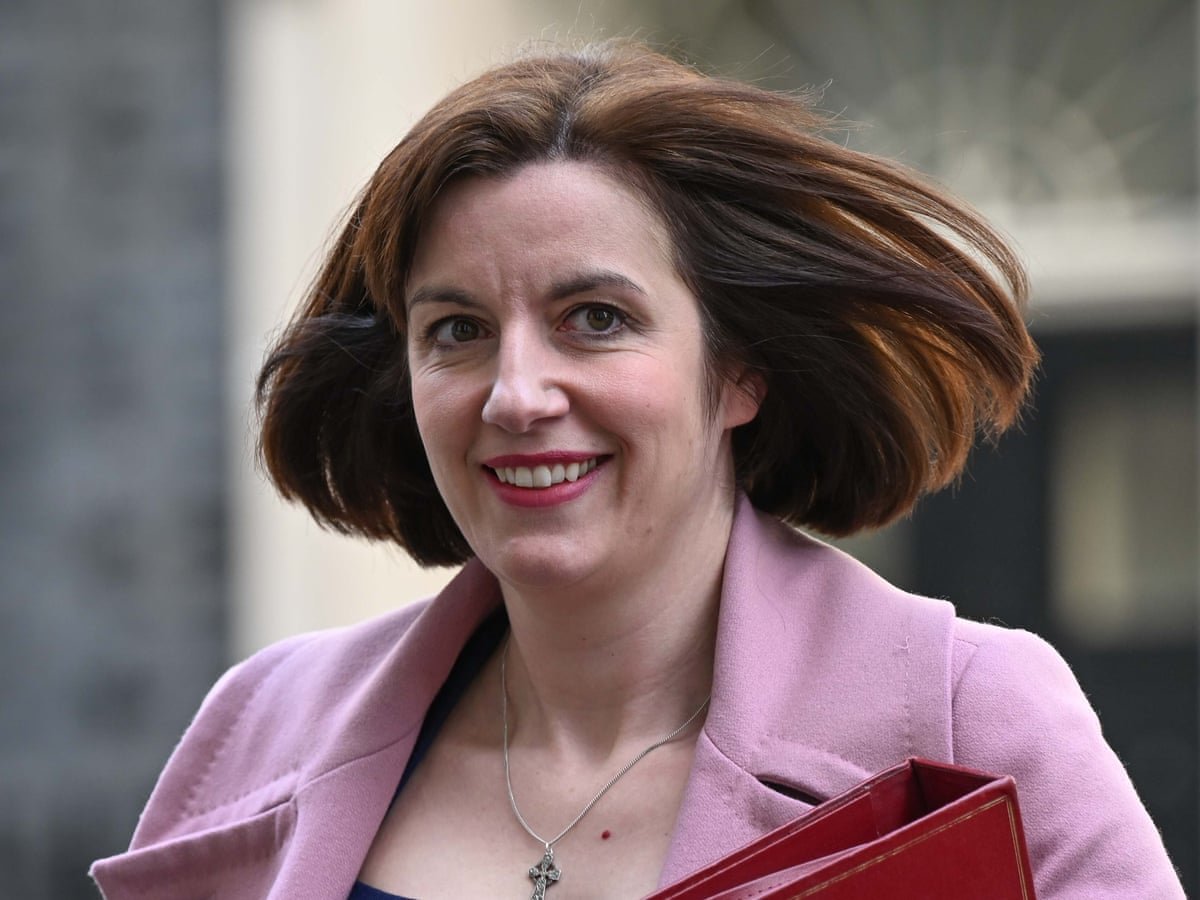
What is confirmed is that Education Secretary Bridget Phillipson has indicated ministers are not fixed on a single model for regulating children’s social media use, and are considering a range of options as part of broader online safety reforms.
The discussion sits within the framework of the UK’s expanding digital regulation agenda, which places legal duties on technology platforms to reduce harm and improve protections for younger users.
The central mechanism driving the debate is the tension between child safety concerns and digital access.
Policymakers are weighing whether stricter age-based limits, enhanced verification systems, or platform-level design restrictions should be used to reduce exposure to harmful or inappropriate content.
Each approach carries different implications for enforcement, privacy, and feasibility.
The Online Safety framework already requires major platforms to assess and mitigate risks to children, but it does not yet settle the question of whether broad age-based bans or tighter usage restrictions should be introduced.
That gap has become the focal point of political discussion as evidence of online harms, including exposure to harmful content and excessive screen time, continues to shape public debate.
Phillipson’s remarks reflect an approach that avoids committing to a single regulatory model while acknowledging increasing pressure from lawmakers and child welfare advocates for stronger intervention.
The government’s position, as it stands, emphasizes flexibility while allowing regulators to test enforceable solutions that do not rely solely on user self-declaration of age.
The stakes are significant for technology companies, which may face stricter compliance requirements if age verification or usage restrictions are tightened.
Platforms would likely need to redesign onboarding systems, content delivery algorithms, and account management tools to meet any new standards.
That would also raise questions about data privacy, enforcement consistency, and cross-platform coordination.
For families and schools, the policy direction could reshape how children interact with digital environments.
Any move toward tighter limits would likely increase reliance on verified accounts, parental controls, and institutional oversight, shifting responsibility away from informal self-regulation by platforms.
The broader implication is that the UK is moving toward a more interventionist digital governance model, where access to social media is increasingly treated as a regulated activity rather than an unrestricted service.
The outcome of the current policy phase will determine whether restrictions focus on platform responsibility, user verification, or direct limits on access for younger age groups.
What is confirmed is that Education Secretary Bridget Phillipson has indicated ministers are not fixed on a single model for regulating children’s social media use, and are considering a range of options as part of broader online safety reforms.
The discussion sits within the framework of the UK’s expanding digital regulation agenda, which places legal duties on technology platforms to reduce harm and improve protections for younger users.
The central mechanism driving the debate is the tension between child safety concerns and digital access.
Policymakers are weighing whether stricter age-based limits, enhanced verification systems, or platform-level design restrictions should be used to reduce exposure to harmful or inappropriate content.
Each approach carries different implications for enforcement, privacy, and feasibility.
The Online Safety framework already requires major platforms to assess and mitigate risks to children, but it does not yet settle the question of whether broad age-based bans or tighter usage restrictions should be introduced.
That gap has become the focal point of political discussion as evidence of online harms, including exposure to harmful content and excessive screen time, continues to shape public debate.
Phillipson’s remarks reflect an approach that avoids committing to a single regulatory model while acknowledging increasing pressure from lawmakers and child welfare advocates for stronger intervention.
The government’s position, as it stands, emphasizes flexibility while allowing regulators to test enforceable solutions that do not rely solely on user self-declaration of age.
The stakes are significant for technology companies, which may face stricter compliance requirements if age verification or usage restrictions are tightened.
Platforms would likely need to redesign onboarding systems, content delivery algorithms, and account management tools to meet any new standards.
That would also raise questions about data privacy, enforcement consistency, and cross-platform coordination.
For families and schools, the policy direction could reshape how children interact with digital environments.
Any move toward tighter limits would likely increase reliance on verified accounts, parental controls, and institutional oversight, shifting responsibility away from informal self-regulation by platforms.
The broader implication is that the UK is moving toward a more interventionist digital governance model, where access to social media is increasingly treated as a regulated activity rather than an unrestricted service.
The outcome of the current policy phase will determine whether restrictions focus on platform responsibility, user verification, or direct limits on access for younger age groups.