King Charles Reaffirms US-UK ‘Special Relationship’ Amid Escalating Iran-Linked Tensions
The British monarch emphasized continuity in transatlantic ties during a period of heightened Middle East instability, reinforcing diplomatic alignment between London and Washington under pressure from Iran-related conflict dynamics.
ACTOR-DRIVEN diplomacy involving King Charles III has brought renewed attention to the United States–United Kingdom alliance at a moment when wider geopolitical pressure from Iran-linked regional conflict is testing Western coordination.
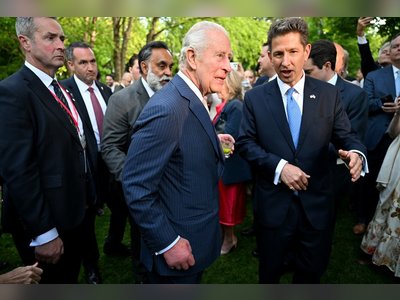
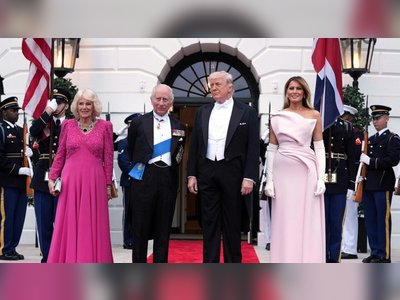
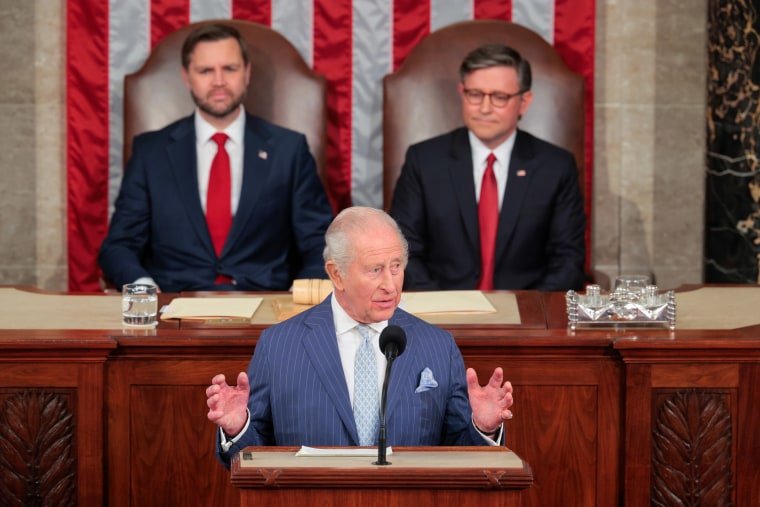
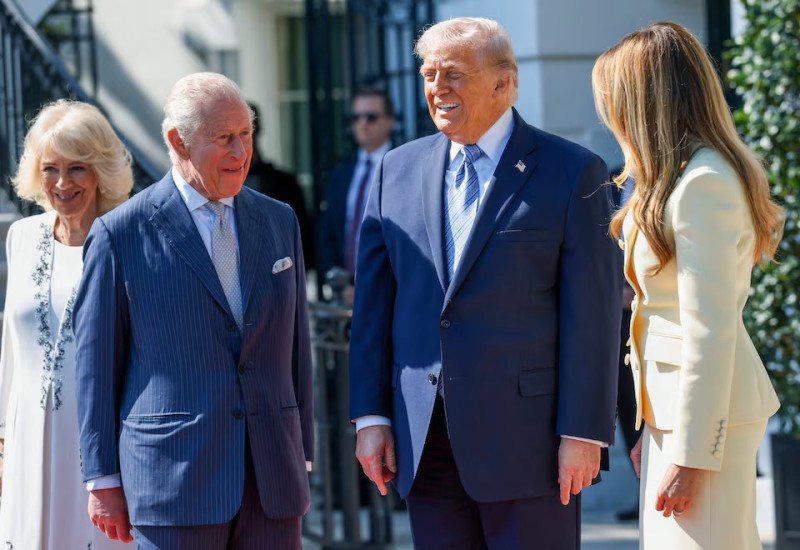
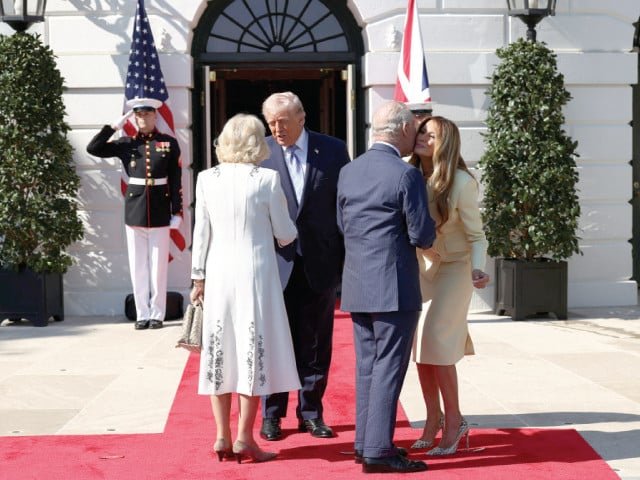
What is confirmed is that King Charles has publicly reiterated the importance of the UK–US relationship, commonly referred to as the “special relationship,” during recent high-level public engagement connected to the United States.
His remarks emphasized continuity, shared values, and long-standing cooperation between the two countries across security, diplomacy, and global crisis management.
The key issue is that this reaffirmation comes during a period of elevated tension linked to conflict involving Iran and its regional posture, which has intensified security coordination among Western allies.
The escalation has placed additional focus on how closely the United States and United Kingdom align their positions on Middle East stability, deterrence policy, and diplomatic responses to regional escalation risks.
The “special relationship” itself is not a formal treaty but a longstanding political and strategic framework that reflects deep cooperation in intelligence sharing, military operations, nuclear policy alignment, and diplomatic coordination.
In moments of regional instability, such as current Iran-related tensions, this framework becomes more visible as both countries coordinate responses through NATO channels, bilateral security consultations, and joint diplomatic messaging.
King Charles’s remarks carry symbolic weight rather than direct policy authority, but the British monarchy often serves as a stabilizing diplomatic signal in periods of international strain.
His reaffirmation of the relationship functions as a public reinforcement of continuity at a time when global alliances are under scrutiny and when foreign policy coordination is being tested by overlapping crises.
The implications extend beyond ceremonial language.
The United States and United Kingdom continue to coordinate closely on Middle East security policy, including deterrence posture, maritime security, and diplomatic engagement strategies.
In the context of Iran-linked escalation dynamics, this alignment is central to broader Western efforts to prevent further regional destabilization and to maintain unified messaging toward allied and adversarial states alike.
The reaffirmation underscores that despite political cycles, leadership changes, and shifting global priorities, the structural alignment between London and Washington remains intact and operational across security and diplomatic domains, particularly as both governments respond jointly to ongoing Middle East instability.
What is confirmed is that King Charles has publicly reiterated the importance of the UK–US relationship, commonly referred to as the “special relationship,” during recent high-level public engagement connected to the United States.
His remarks emphasized continuity, shared values, and long-standing cooperation between the two countries across security, diplomacy, and global crisis management.
The key issue is that this reaffirmation comes during a period of elevated tension linked to conflict involving Iran and its regional posture, which has intensified security coordination among Western allies.
The escalation has placed additional focus on how closely the United States and United Kingdom align their positions on Middle East stability, deterrence policy, and diplomatic responses to regional escalation risks.
The “special relationship” itself is not a formal treaty but a longstanding political and strategic framework that reflects deep cooperation in intelligence sharing, military operations, nuclear policy alignment, and diplomatic coordination.
In moments of regional instability, such as current Iran-related tensions, this framework becomes more visible as both countries coordinate responses through NATO channels, bilateral security consultations, and joint diplomatic messaging.
King Charles’s remarks carry symbolic weight rather than direct policy authority, but the British monarchy often serves as a stabilizing diplomatic signal in periods of international strain.
His reaffirmation of the relationship functions as a public reinforcement of continuity at a time when global alliances are under scrutiny and when foreign policy coordination is being tested by overlapping crises.
The implications extend beyond ceremonial language.
The United States and United Kingdom continue to coordinate closely on Middle East security policy, including deterrence posture, maritime security, and diplomatic engagement strategies.
In the context of Iran-linked escalation dynamics, this alignment is central to broader Western efforts to prevent further regional destabilization and to maintain unified messaging toward allied and adversarial states alike.
The reaffirmation underscores that despite political cycles, leadership changes, and shifting global priorities, the structural alignment between London and Washington remains intact and operational across security and diplomatic domains, particularly as both governments respond jointly to ongoing Middle East instability.