UK Ambassador Sparks Diplomatic Tension After Saying US ‘Special Relationship’ Is Probably with Israel
Leaked comments by Britain’s envoy to Washington challenge long-standing UK-US rhetoric, suggesting the real ‘special relationship’ may now lie elsewhere and prompting political fallout across London and Washington.
A senior British diplomat has triggered renewed scrutiny of transatlantic relations after privately stating that the United States’ true “special relationship” is likely with Israel rather than the United Kingdom, challenging a cornerstone of modern UK foreign policy language.
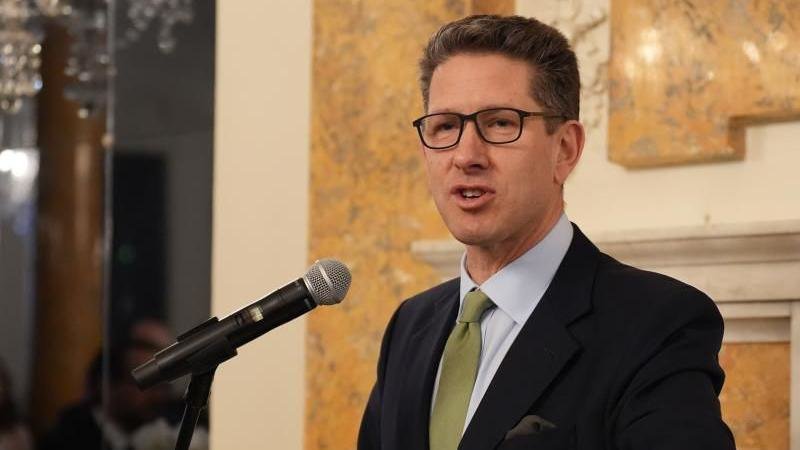
What is confirmed is that Sir Christian Turner, Britain’s ambassador to the United States, made the remarks during a February discussion with visiting British students in Washington.
In those comments, later leaked and independently reported, he questioned the usefulness of the term “special relationship” to describe US-UK ties, describing it as nostalgic and no longer fully reflective of current geopolitical realities.
He also suggested that if any country currently holds a uniquely privileged diplomatic position with Washington, it is “probably Israel.”
The comments were made in an informal setting but have become politically sensitive because of their content, timing, and the speaker’s role.
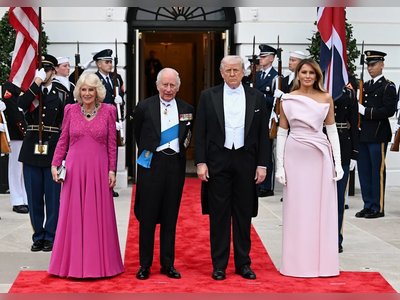
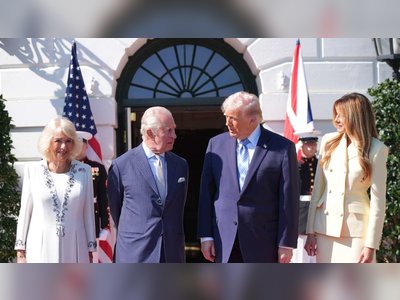
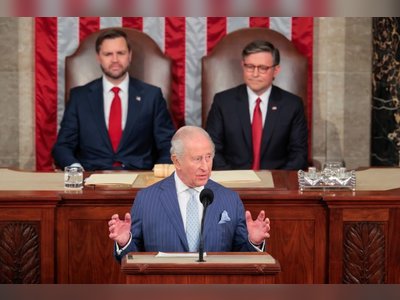
Turner’s remarks surfaced while King Charles III was undertaking a high-profile state visit to the United States, an event designed to reinforce the traditional narrative of close Anglo-American alignment.
The juxtaposition has amplified their diplomatic impact, even though officials have emphasized that the statements were private and not representative of government policy.
At the core of the controversy is the ambassador’s broader critique of how the UK-US relationship is described.
He argued that while defence and intelligence cooperation between London and Washington remains deep and structurally significant, the language of exceptional bilateral exclusivity no longer reflects the broader distribution of American strategic partnerships.
That framing directly contradicts decades of political messaging from both sides of the Atlantic, where the phrase “special relationship” has been used to describe unusually close military, intelligence, and diplomatic cooperation dating back to the Second World War.
The remarks have also drawn attention because Turner linked his broader commentary to perceived asymmetries in political accountability between the United States and the United Kingdom.
He referenced how political and public consequences of the Jeffrey Epstein scandal had affected senior figures in British public life, while suggesting comparable accountability had not emerged in the United States.
These comments were not part of any official assessment but contributed to the wider sensitivity surrounding the leak.
The immediate political effect has been discomfort in London and Washington.
British officials have moved to contain the fallout by reiterating that the ambassador’s comments were personal and informal.
However, the episode has highlighted underlying tensions in how the UK defines its global role at a time when US foreign policy priorities are increasingly shaped by multiple regional alliances rather than a single dominant bilateral partnership.
For Israel, the comments intersect with an already central position in US foreign policy debates, particularly amid heightened tensions in the Middle East and ongoing security coordination between Washington and Tel Aviv.
While the ambassador’s statement does not alter formal diplomatic alignments, it reflects a perception among some officials that US strategic relationships are becoming more distributed and issue-specific rather than anchored in traditional alliance hierarchies.
The incident underscores a broader reality: the language of “special relationships” is increasingly contested in practice, even if it remains politically persistent.
While UK-US cooperation continues across defence, intelligence sharing, and economic coordination, the ambassador’s remarks have exposed a growing gap between diplomatic rhetoric and the evolving structure of US global partnerships.
What is confirmed is that Sir Christian Turner, Britain’s ambassador to the United States, made the remarks during a February discussion with visiting British students in Washington.
In those comments, later leaked and independently reported, he questioned the usefulness of the term “special relationship” to describe US-UK ties, describing it as nostalgic and no longer fully reflective of current geopolitical realities.
He also suggested that if any country currently holds a uniquely privileged diplomatic position with Washington, it is “probably Israel.”
The comments were made in an informal setting but have become politically sensitive because of their content, timing, and the speaker’s role.
Turner’s remarks surfaced while King Charles III was undertaking a high-profile state visit to the United States, an event designed to reinforce the traditional narrative of close Anglo-American alignment.
The juxtaposition has amplified their diplomatic impact, even though officials have emphasized that the statements were private and not representative of government policy.
At the core of the controversy is the ambassador’s broader critique of how the UK-US relationship is described.
He argued that while defence and intelligence cooperation between London and Washington remains deep and structurally significant, the language of exceptional bilateral exclusivity no longer reflects the broader distribution of American strategic partnerships.
That framing directly contradicts decades of political messaging from both sides of the Atlantic, where the phrase “special relationship” has been used to describe unusually close military, intelligence, and diplomatic cooperation dating back to the Second World War.
The remarks have also drawn attention because Turner linked his broader commentary to perceived asymmetries in political accountability between the United States and the United Kingdom.
He referenced how political and public consequences of the Jeffrey Epstein scandal had affected senior figures in British public life, while suggesting comparable accountability had not emerged in the United States.
These comments were not part of any official assessment but contributed to the wider sensitivity surrounding the leak.
The immediate political effect has been discomfort in London and Washington.
British officials have moved to contain the fallout by reiterating that the ambassador’s comments were personal and informal.
However, the episode has highlighted underlying tensions in how the UK defines its global role at a time when US foreign policy priorities are increasingly shaped by multiple regional alliances rather than a single dominant bilateral partnership.
For Israel, the comments intersect with an already central position in US foreign policy debates, particularly amid heightened tensions in the Middle East and ongoing security coordination between Washington and Tel Aviv.
While the ambassador’s statement does not alter formal diplomatic alignments, it reflects a perception among some officials that US strategic relationships are becoming more distributed and issue-specific rather than anchored in traditional alliance hierarchies.
The incident underscores a broader reality: the language of “special relationships” is increasingly contested in practice, even if it remains politically persistent.
While UK-US cooperation continues across defence, intelligence sharing, and economic coordination, the ambassador’s remarks have exposed a growing gap between diplomatic rhetoric and the evolving structure of US global partnerships.